
The Holiday Report: A Field Study in Comfort, Killer Ants, and the Future Use of Ice-Cream Parlours
Manfred
When The Mayor asked me what image came back first from my two weeks in Croatia, I did not need to search through many dramatic possibilities. There was no heroic mountain pass. No storm. No spectacular sunset with violins. The picture was very simple: I was sitting on a chair, feet up, looking over the lake. Comfortable temperatures. Pure relaxation.
That, for me, reflected the entire holiday.
Martin, of course, immediately tried to turn the holiday into an experiment. He did not ask whether I had enjoyed myself. He asked what was being tested: the man, the bicycle, the tent, or the idea of comfort. I believe he said definitely the man, but also the idea of comfort. This was typical Martin. He saw a chair by a lake and detected an entire scientific programme.
The Mayor let him do this, because The Mayor enjoys these moments when ordinary holidays become philosophical research projects.
A normal day in Croatia had a very clear structure, although I would not call it a plan. I got up at eight in the morning. Coffee and a cigarette. Then cycling to the bakery for morning rolls. Then more coffee and breakfast. After that came the cycling tour, including an update in our ice-cream parlour guide. This was very important fieldwork. Then more cycling, dinner, back to base, chair, lakeside, talking.
Martin listened to this and wondered whether it was a holiday, a field study, or a carefully disguised endurance test. He decided it was a field study into future years and past missed opportunities. I think he was right. He often is, but one should not tell him too often, because it may affect the balance of the swimming club.
Then, at exactly the kind of moment when Martin was becoming useful, his Fritzbox went on strike. His router abandoned the conversation. This was also a field study, but into German technology under emotional pressure.
So The Mayor continued with me.
The best cycling moment was the tour to Rovinj. There was an abandoned building, and somehow it brought back past memories. Nature was taking back its territory. That stayed with me. It was not just a building. It was one of those places where the past has not disappeared, but has simply allowed plants to move in.
The hardest or most annoying moment of the trip can be described in three words: giant killer seagulls.
One bird took my wife’s lunch straight from her hands while she was eating. This was not normal bird behaviour. This was organised crime with feathers.
Then there were the killer ants. Two words: killer ants. More precisely, killer ants with terrorist training. They were everywhere. But my drone attacks were successful.
The Mayor asked me whether camping made anything simpler. I said: my decades of experience. That is the truth. Camping does not become simple because the tent, caravan, weather, insects, birds, roads, and equipment suddenly decide to behave. It becomes simple because, after many years, the camper has already made all possible mistakes and now recognises disaster before it introduces itself.
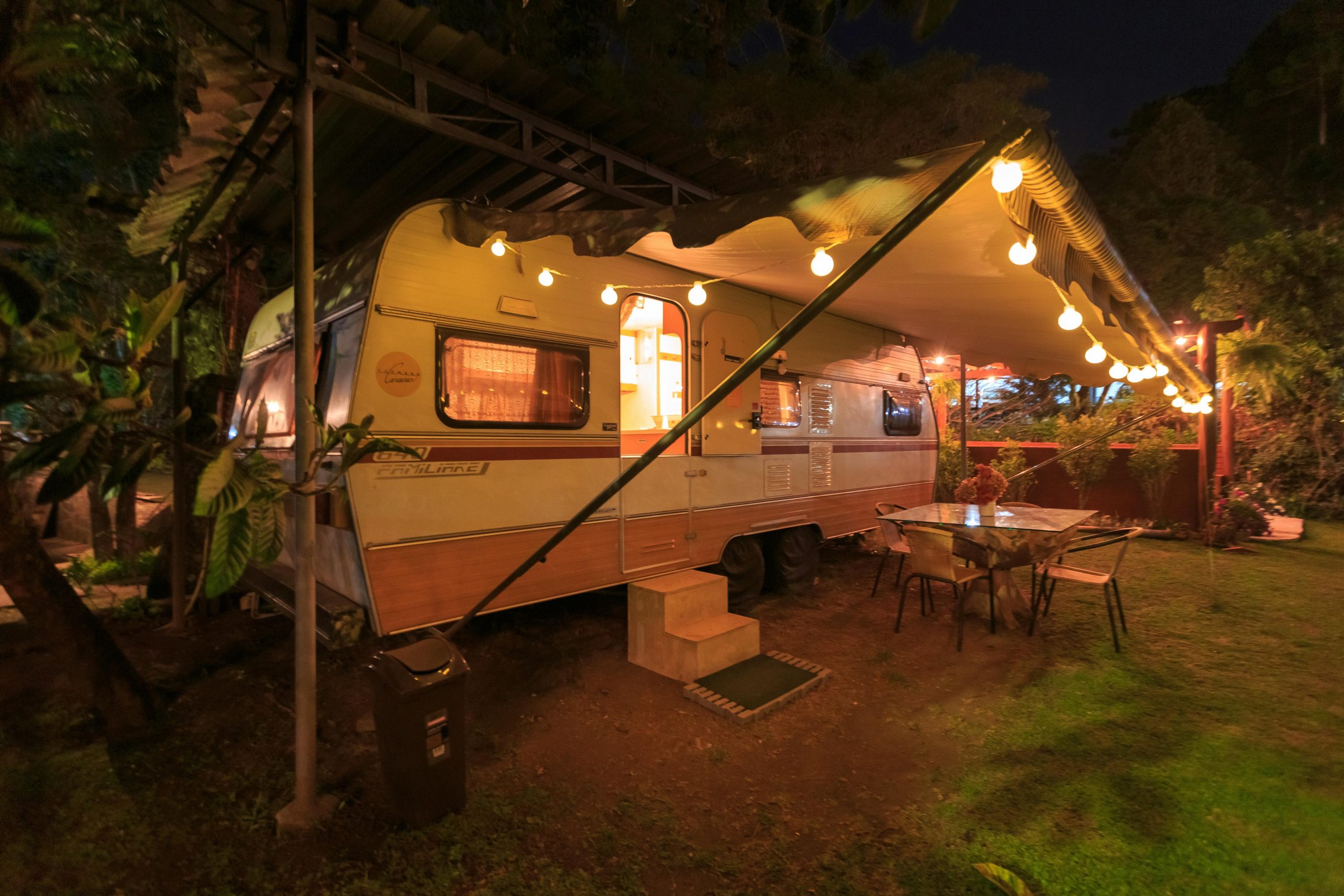
The Mayor also asked what I missed from home. I missed nothing. I was online. I had my breakfast rolls. Food and lodging were mine. The caravan is my second home. What exactly should I have missed? A different chair? A different kettle? A more familiar ant?
There was one moment when I asked myself, “Why am I doing this?” That was when I was combating the killer ants. Not because of the ants as such, but because they were unwelcome. There is a difference. In nature, one accepts many things. But one does not invite terrorist-trained ants into the living arrangement.
Still, there was a moment when I felt completely at ease. I was sitting by the sea. I even made my peace with the ants. It was more of a cease-fire, but in diplomacy one must begin somewhere.
What did the holiday teach me without trying to teach me anything? Relaxation is good for mind, body, and soul. Live for the moment. Do not plan too much. Few rules. Do as you please.
When I came back home, everything was immediately different and not different at all. Back to the routine. Getting up early. Going to work. Cleaning the caravan. Doing the laundry. The holiday was over.
But the end of one holiday is only the beginning of planning the next trip. The Netherlands, mid-July, for three weeks.
This is how life continues.
Chair. Coffee. Wheels. Bread rolls. Possibly fewer killer ants.
Martin
When The Mayor presented Manfred’s Croatia holiday as material for discussion, I understood immediately that we were not dealing with a simple travel report. A simple travel report would have included phrases like “nice weather” and “beautiful landscape” and perhaps “we had a good time.”
This was different.
This was Manfred after two weeks of camping and cycling in Croatia. Therefore it had to be treated as an experiment.
The Mayor asked Manfred for the first image that returned to him. Manfred gave us the perfect answer: sitting on a chair, feet up, overlooking the lake, comfortable temperatures, pure relaxation. That image contained everything. It was not only a man sitting near water. It was a manifesto against unnecessary civilisation.
So when The Mayor asked me what was being tested — the man, the bicycle, the tent, or the idea of comfort — I said definitely the man, but also the idea of comfort.
Because comfort, in Manfred’s case, is not a soft mattress and room service. Comfort is coffee, cigarettes, morning rolls, a caravan that behaves like a second home, and an ice-cream parlour guide that apparently requires regular updates through practical cycling-based research.
Manfred then described his normal day. Getting up at eight. Coffee and cigarette. Cycling to the bakery. Morning rolls. More coffee and breakfast. Cycling tour. Ice-cream parlour guide update. More cycling. Dinner. Back to base. Chair. Lakeside. Talking.
The Mayor asked whether I would call this a holiday, a field study, or a carefully disguised endurance test. I called it a field study into future years and past missed opportunities.
That was exactly what it sounded like. Manfred was not simply resting. He was investigating an alternative version of life in which the day is structured by bread, wheels, weather, ice cream, and the slow return to a chair.
Then, with perfect comic timing, my Fritzbox went on strike.
I disappeared from the conversation because my router had decided that this was the moment to contribute its own view of modern life. It rejected the meeting. It refused participation. It performed a digital walkout.
This was unfortunate, because I would have liked to comment on the abandoned building in Rovinj. Manfred later said that it was his best cycling moment: the tour to Rovinj, the abandoned building, rediscovering past memories, nature taking back its territory. That is exactly the kind of sentence that proves the holiday had become bigger than a holiday. He went for cycling and found memory, decay, and vegetation staging a quiet revolution.
Then came the wildlife section, which is always important in Manfred’s reports.
The giant killer seagulls were the headline. One bird took his wife’s lunch from her hands while she was eating. This is not a bird. This is a small airborne criminal with confidence issues.
The killer ants were worse in a different way. Manfred called them killer ants with terrorist training. They were everywhere. But he also reported successful drone attacks. I was not there to verify the tactical details, but knowing Manfred, I assume this campaign was conducted with seriousness, precision, and a certain amount of personal insult.
The Mayor asked what camping made simpler, and Manfred answered: his decades of experience. That answer was excellent. It means camping itself remains complicated, but Manfred has become professionally uncomplicated inside it.
He missed nothing from home. He was online. He had breakfast rolls. Food and lodging were his. The caravan was his second home. This was perhaps the central finding of the experiment. Comfort is not where you are. Comfort is when your systems are working, your bread supply is secure, and your chair has a view.
There was one crisis of meaning: the battle with the killer ants. Manfred did ask himself why he was doing this, but not because of the ants themselves. Because they were unwelcome. This is a very Manfred distinction. Nature is acceptable. Invasion is not.
And then, sitting by the sea, he made peace with the ants. Or, as he said, more of a cease-fire. That was also perfect. Nobody truly makes peace with ants. One agrees to suspend hostilities until the next incident.
The Mayor finally asked what the holiday had taught without trying to teach anything. Manfred’s answer was simple and probably correct: relaxation is good for mind, body, and soul. Live for the moment. Do not plan too much. Few rules. Do as you please.
Then he returned home. Routine. Getting up early. Work. Cleaning the caravan. Laundry. The holiday was over.
But of course it was not really over. Because the end of one holiday is the beginning of planning the next one: the Netherlands, mid-July, three weeks.
So the field study continues.
The man has been tested. The idea of comfort has survived. The bicycle remains operational. The caravan is ready for further service. The ants have not been invited.
And The Mayor, I assume, is already preparing the next set of questions.