
Life Was Not Meant to Be Balanced. It Was Meant to Matter.
This month’s theme is Balance.
A few days ago, I found myself standing at the finish line of a 100-kilometre walk.
I wasn’t the one doing the walking.
That honour belonged to Fabrice.
After hours of putting one foot in front of the other, he finally crossed the line, medal earned, challenge completed, looking remarkably alive for someone who had just walked a distance that most sensible people would prefer to drive.
What struck me wasn’t only the achievement.
It was what happened afterwards.
I met his wife for the first time.
Now, there is nothing particularly unusual about meeting someone’s spouse.
Except that Fabrice and I live roughly 300 metres apart.
Three hundred metres.
A distance that takes longer to describe than it does to walk.
Yet it took a 100-kilometre challenge for our paths to cross in that particular way.
The mind boggles.
Modern life is strange.
We can live beside people for years and barely know them.
Then a shared experience suddenly creates a connection that geography never managed to achieve.
As I stood there watching Fabrice celebrate, I found myself thinking about balance.
Not because he looked balanced.
Quite the opposite.
Walking one hundred kilometres sounds suspiciously like the sort of thing balance experts might advise against.
There is nothing moderate about it.
Nothing carefully measured.
Nothing comfortably positioned inside a wellbeing handbook.
It is difficult.
Demanding.
Perhaps even slightly absurd.
Yet nobody watching him cross that finish line was thinking:
“That man should have tried harder to avoid effort.”
Instead, they saw pride.
Commitment.
Achievement.
A challenge accepted and completed.
A story worth telling.
And that thought stayed with me.
Because while Fabrice was walking one hundred kilometres, I had spent the previous two Sundays doing something equally difficult to explain.
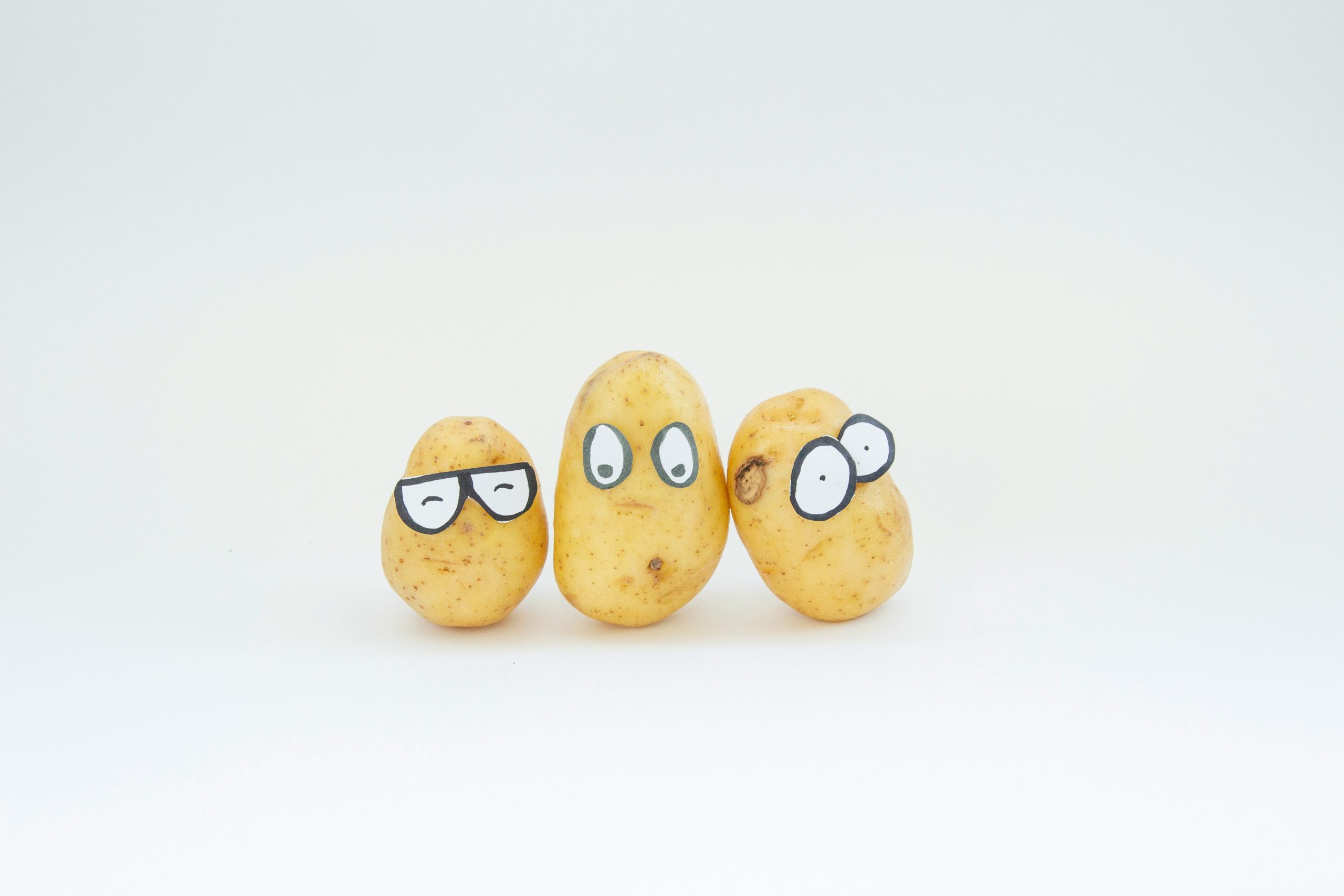
I was rebuilding a potato.
The potato in question is called Spuddy.
Spuddy is one of those Brida tools that began as a potato joke and somehow became part of the operating system. Naturally, rebuilding it took two Sundays.
Over those two Sundays, I disappeared into systems, documents, workflows, member care ideas, and enough notes to make a filing cabinet nervous.
If somebody had looked over my shoulder, they would not have described the experience as relaxing.
It was work.
Deep work.
The sort of work that requires concentration, patience, and an alarming number of documents.
Yet when I finally emerged from my mountain of potatoes, I felt remarkably similar to how Fabrice looked at the finish line.
Tired.
But satisfied.
Spent.
But somehow replenished.
Which made me wonder whether we sometimes misunderstand balance.
We often talk about balance as if it means reducing effort.
Work less.
Stress less.
Push less.
Do less.
And there is certainly wisdom in knowing when to stop.
But perhaps the problem is not effort itself.
Perhaps the problem is effort without meaning.
Human beings are capable of extraordinary effort when they understand why they are making it.
A man walking one hundred kilometres.
A founder spending two Sundays rebuilding a potato.
A friend keeping a promise.
A community showing up.
The effort remains.
The tiredness remains.
The challenge remains.
But the feeling afterwards is completely different.
Meaning changes the weight of things.
Without meaning, even small tasks can feel exhausting.
With meaning, people willingly carry astonishing loads.
Some of the happiest moments in life are not the easiest ones.
They are the moments when we are fully engaged in something that matters.
Perhaps that is also why communities matter.
Not because they eliminate effort.
Not because they make life easy.
But because they help us discover what is worth carrying.
Sometimes that happens at a table.
Sometimes at a finish line.
Sometimes inside a ridiculous document system named after a potato.
A hundred-kilometre walk.
A conversation.
A promise.
A friendship.
A strange little international community.
The people who stand at the finish line.
The people who cheer.
The people who notice.
The people who help us remember why we started.
Which brings me back to balance.
I used to think balance meant avoiding extremes.
Now I am less certain.
After all, one of us spent the weekend walking one hundred kilometres.
The other spent two Sundays happily rebuilding a potato.
Neither activity would appear in a brochure for relaxation retreats.
Yet both left us with the same thing.
The quiet satisfaction that comes from investing ourselves in something worthwhile.
Perhaps life was never meant to be perfectly balanced.
Perhaps it was meant to be meaningful.
Balance is not found by removing effort from our lives.
It is found by choosing effort that matters.
The kind that leaves us tired.
And glad we did it anyway.