
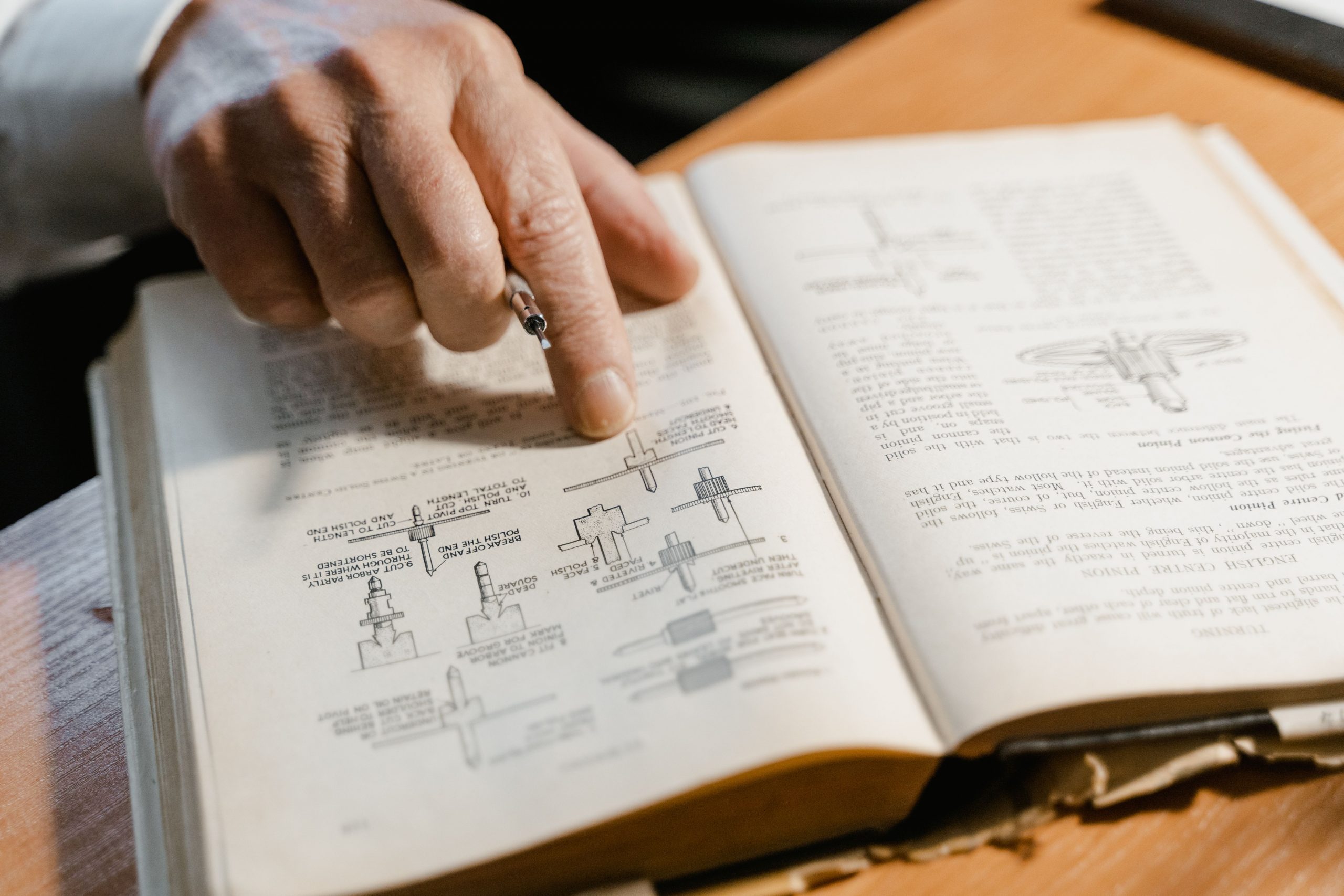
How to Maintain a Middle- Aged Human. Part 2
The Martin Model – A Practical Guide, Written with Some Concern
Please handle with care.
This is the first piece of advice, and probably the most important one. I say this not because I am fragile in a dramatic way, but because the Martin model functions better when it is not rushed, shaken, deprived of coffee, overloaded with seriousness, or expected to behave like a perfectly maintained machine.
The system still works. There is humour, appetite, thought, music, and a reasonable amount of good advice available for other people. But for myself, the advice is sometimes more difficult to follow. That is why this manual is needed.
The first advice is about the morning. Do not create the rush that wakes you up by getting up too late because you were not awake enough to get up earlier. This is a clever but questionable system. It works, unfortunately, but it is not elegant. It creates movement, yes, but mostly through panic. A better solution has not yet been fully developed, but the manual strongly recommends further research.
The second advice is clear: do not allow anyone to deny you the first cup of coffee. Not even the coffee maker. Not even if there is no coffee left. This may sound unreasonable, but the first coffee is not only a drink. It is the official beginning of the day. Before that, I may look present, but I should not yet be considered fully available.
The third advice is to respect the power of delicious coffee and other treats. The word delicious is important. Normal coffee is useful, but delicious coffee brings a little beauty into the system. Treats also have their place. Not all of them will be approved by the stricter departments of the manual, but life cannot only be maintained by correct decisions. Sometimes morale must also be fed.
The fourth advice is to be honest about movement. The craving for treats is one of the most reliable movement programmes currently installed. Of course, this only happens rarely. Sometimes. More than sometimes. Often. Almost always. The manual is still checking the exact numbers, but it has already noticed that the path to something nice is walked with surprising determination.
The fifth advice is about sitting. When the body sends the signal that it would be good to get up, listen to it. Getting up should happen with caution, yes, but not so much caution that the entire operation is cancelled. This is a known pattern. The body suggests movement, the mind agrees in principle, and then the committee for careful decisions keeps the human seated. This committee should not always win.
The sixth advice is to recognise the low-battery warning. When the head slowly moves towards the keyboard so that it does not fall too hard onto it, the situation is already advanced. This is not a subtle signal. At this point, the system needs rest, air, coffee, food, breathing, or possibly all of them. Continuing as if nothing is happening may lead to unusual typing, poor decisions, or a forehead-shaped contribution to the day.
The seventh advice is to stop ignoring the obvious signs. Get yourself checked out. Go to bed early enough. That is enough chocolate. These messages are not mysterious. They are not written in a difficult language. I know what they mean. The problem is not understanding. The problem is that part of the system treats them as suggestions from a department with limited power.
The eighth advice is to accept that the list of known bugs may be long. My test report is still being printed because the list of errors is endless. This does not mean disaster. It only means there is material. A human who has lived a little will produce a report. The important thing is not to panic when the printer keeps going. It may simply be doing its job.
The ninth advice is the emergency reset procedure, and it is the most beautiful one. As the title of the Garbage song says: the trick is to keep breathing. This is simple advice, but not small advice. When there is too much pressure, when the warning signs have been ignored, when the head is moving toward the keyboard, when the chocolate department has taken control, begin there. Keep breathing. Let the system remember that not everything has to be solved at once.
The tenth advice is to focus on the beautiful things in life whenever possible. This is not decoration. It is maintenance. The model functions better when it notices what is good, not only what is urgent. Beauty is not a luxury item in the manual. It is part of the weekly service plan.
The eleventh advice is more difficult: follow the good advice you like to give others. Giving advice is easy. Following it personally is an advanced function. But the system would probably improve if both operations were connected more often.
The final advice is the same as the first:
Please handle with care.
Give the Martin model coffee. Allow some treats, while pretending the official investigation into frequency is still ongoing. Notice when sitting has lasted too long. Read the warning signs about sleep, health checks, and chocolate before they become louder. Do not confuse caution with never moving. Do not wait until the head reaches the keyboard.
Look for the beautiful things. Use the advice you would kindly give to someone else. And when everything becomes too much, return to the emergency reset.
The trick is to keep breathing.
Please handle with care.