
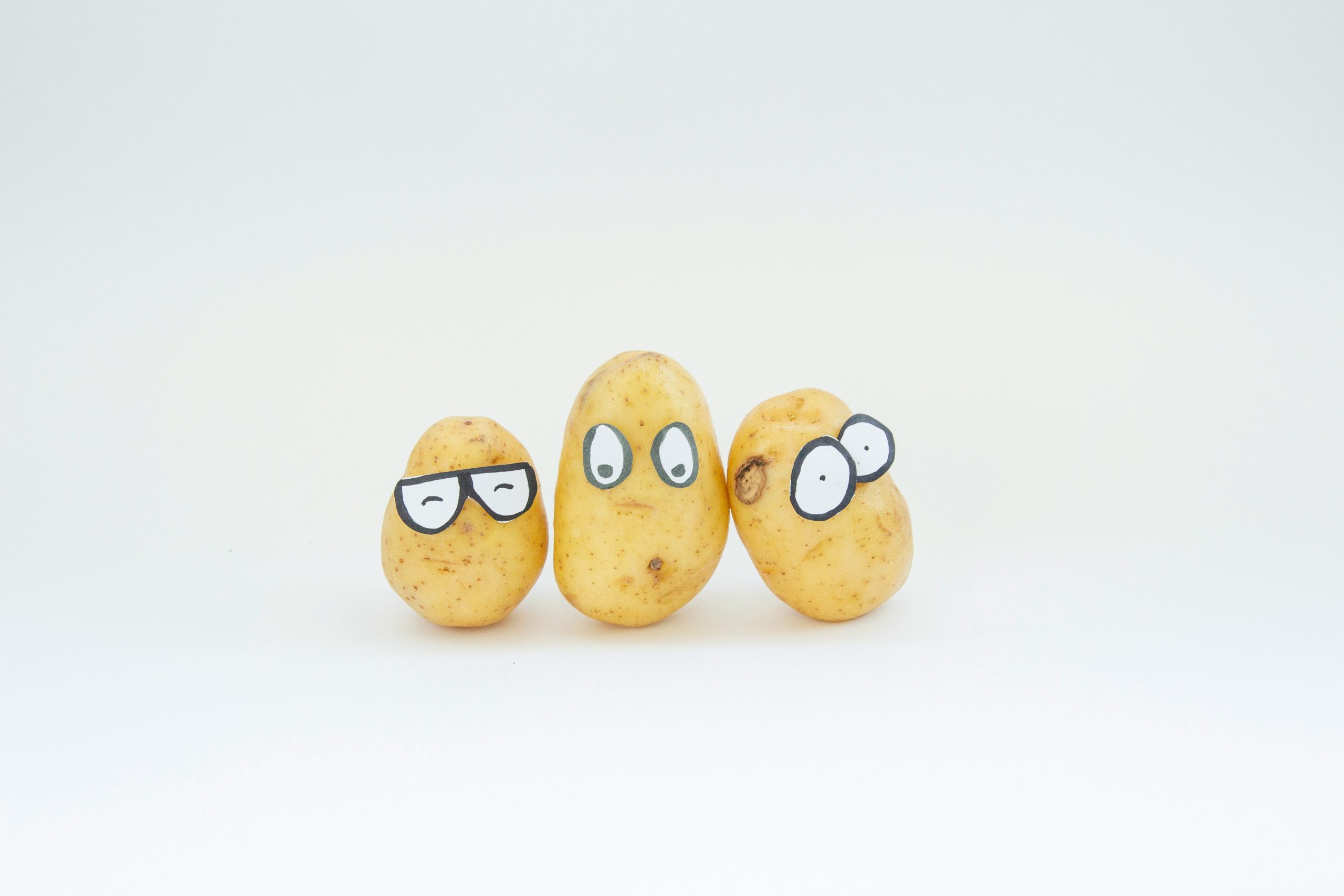
When Life Loses Its Proper Size
There are moments when life loses its proper size.
A small thought becomes a weather system.
A simple decision becomes a mountain.
A sentence someone said in passing moves into the mind, takes off its shoes, puts its feet on the table, and refuses to leave.
Nothing dramatic has happened. Nobody has burned down a building. Nobody has stolen a horse. Nobody has stood on a chair in the middle of a restaurant and declared the end of civilisation.
And yet, somehow, everything feels slightly too loud.
This is one of the quieter ways we lose balance.
Not through disaster.
Not through tragedy.
Not through one enormous life-changing event.
But through something much stranger and much more ordinary: proportion begins to disappear.
A small thing grows teeth.
A minor detail becomes a courtroom.
A tiny worry puts on a judge’s wig and starts calling witnesses.
And there we are, sitting in the middle of an entirely normal day, behaving internally as if the fate of the known universe depends on whether one small thing has been handled correctly.
Which is absurd.
And also completely human.
Because the absurdity is not proof that the feeling is fake. That is the mistake we often make. We think that if something is ridiculous, it must not be real. But human beings are perfectly capable of being ridiculous and genuinely overwhelmed at the same time.
In fact, we are specialists.
We can know, with one part of the brain, that a situation is not a catastrophe, while another part of the brain has already called an emergency meeting, printed documents, prepared a dramatic speech, and started pacing beside a window like a troubled detective in a Scandinavian noir crime series.
This is not madness.
This is pressure looking for somewhere to go.
Modern life gives us many things. Convenience. Speed. Choice. Tools. Screens. Messages. Calendars. Notifications. Apps that promise to make things easier while quietly creating twelve new things to check.
But it also gives us a strange, constant background feeling that everything should be managed.
Better. Faster. Earlier. More cleanly. More professionally. More calmly. More efficiently.
You should answer the message.
You should remember the thing.
You should follow up.
You should be available.
You should not forget.
You should not overreact.
You should be kind, but boundaried.
Productive, but not stressed.
Ambitious, but balanced.
Human, but not inconveniently human.
And then, when one small thing slips, the mind does not always treat it as one small thing.
It treats it as evidence.
Evidence that the system is fragile.
Evidence that you are behind.
Evidence that something is not being held properly.
Evidence that, despite all the calendars and lists and clever tools, life is still somehow leaking through the edges.
This is where balance becomes more interesting than simply “resting more” or “working less.”
Of course rest matters. Sleep matters. Walks matter. Food matters. The body is not a decorative object we drag around while the brain runs the company. The body is the first place imbalance usually tells the truth.
But balance is not only about time.
It is also about scale.
Can we still see things at their proper size?
Can we tell the difference between a problem and a symbol? Between an inconvenience and a threat? Between one unfinished thing and the secret collapse of everything?
This is harder than it sounds.
Because modern performance culture trains us to measure ourselves constantly. Not just at work. Everywhere.
We measure our productivity. Our responsiveness. Our parenting. Our friendships. Our bodies. Our houses. Our routines. Our meals. Our concentration. Our tone of voice in messages. Even our relaxation becomes something to optimise.
Did I rest properly?
Was that walk long enough?
Was I mindful enough while drinking the tea?
Should I have journaled about the tea?
At some point, even balance becomes another performance.
Another thing to fail at.
And that is when the whole idea becomes faintly comic.
There we are, exhausted by the pressure to be balanced, wondering why we are not more peaceful about our peace.
A human being can only take so much improvement.
Eventually, the mind rebels. But it rarely does this in a grand and poetic way. It does not always say, “Dear friend, your life has become overloaded with invisible expectations, and you may need to reconsider the emotional architecture of your daily existence.”
No.
It picks something small.
A tiny thing.
A stupid thing.
A thing that, from the outside, looks almost laughably ordinary.
And it says: this.
This is the hill.
This is where we shall have our crisis.
Later, of course, we may see the comedy of it.
We may look back and think, “Good heavens. That became enormous.”
And this moment matters. The moment of seeing the absurdity is not the same as dismissing the feeling. It is not saying, “I was silly, therefore nothing was wrong.”
It is saying something wiser:
“That thing became too big. Why?”
That question is where balance begins.
Not with shame.
Not with self-mockery.
Not with pretending to be calmer than we are.
But with curiosity.
What was I carrying before that moment?
What had I not named?
What pressure had become normal?
What expectation was sitting quietly in the background?
What invisible responsibility had I accepted without noticing?
Sometimes the small thing is not the real thing. It is simply the place where the real thing became visible.
A cup overflows from the last drop, but the last drop is not the whole story.
This is why balance needs honesty. Not dramatic honesty. Not public confession. Not standing in the village square ringing a bell and announcing the full contents of the nervous system.
Just enough honesty to say: something is out of proportion here.
And then, gently, to ask what would help return it to its proper size.
A conversation may help.
A walk may help.
A decision may help.
A boundary may help.
A laugh may help enormously.
Laughter is underrated in the restoration of balance. Not the laughter that humiliates. Not the laughter that says, “This does not matter.” But the laughter that says, “Ah, look at us. Look at what we do. Look at how human we are.”
There is mercy in that kind of laughter.
It loosens the grip.
It reminds us that we are not machines failing to operate correctly. We are living creatures trying to carry too many threads through a noisy world while pretending we have not noticed the weight.
Perhaps balance is not a perfect state we reach once life is finally tidy.
Perhaps balance is a repeated act of resizing.
This is too big.
This is too small.
This needs attention.
This needs to wait.
This is mine to carry.
This is not mine alone.
This is serious.
This is also, thankfully, a little ridiculous.
That last sentence may be the most important one.
Because if something can be serious and ridiculous at the same time, then we are allowed to be human inside it.
We do not have to choose between collapse and control. We do not have to become perfectly calm before we are allowed to understand ourselves. We do not have to turn every wobble into a personal failure.
We can pause.
We can breathe.
We can look at the thing that has filled the whole room and say, kindly but firmly:
“You are not the whole room.”
And maybe that is where balance begins.
Not in the fantasy of a life without pressure, but in the quiet practice of putting things back where they belong.