Yes, dear.
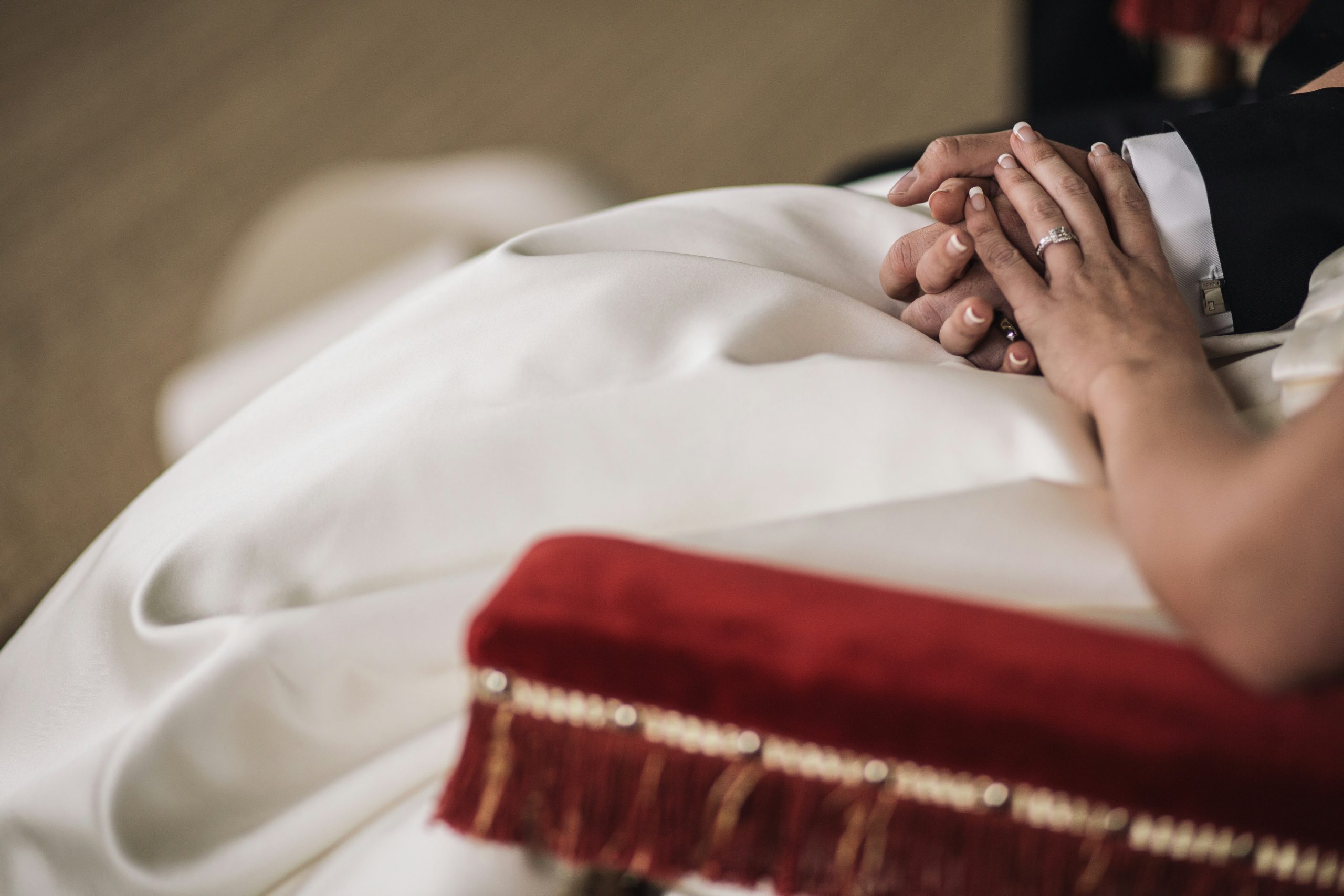
In celebration of my 4th Wedding Anniversary, these words were mentioned by Bruce during our Lunch meeting. He said “Somebody once said… what was the reason for a successful marriage and they said two words: Yes, dear.”
And I had to agree. To avoid conflict, fights, disagreements and maybe committing a crime or murder, just answer with “Yes, dear.”
I always joke and say sometimes I want to set my husband on fire and throw him into oncoming traffic. I wouldn’t really do it because I am not going to jail for something silly he did or said. But sometimes when he annoys me enough, I might imagine silly scenarios like this.
But where did marriage really start and why is it still a significant tradition across the globe? We can go way back in history and talk about Adam and Eve, they were made for each other and I think Eve ate the forbidden fruit because Adam also said “Yes, dear.” He didn’t feel like arguing on that specific day.
Marriage is one of the oldest traditions in human history and in the world. It didn’t start in a specific country or a specific group of people. It slowly developed as humans started living in larger groups and societies.
In prehistoric times people chose a partner because life was dangerous and uncertain. A partnership meant safety and survival. They build stronger groups and had children in need of protection. It wasn’t romantic but strategic and practical. They also didn’t have all the legal blabber we have today but only long-term partnerships and mutual understanding. Boy meets girl, boy grabs girl by the hair and drag her to his cave and they are “married.”
The oldest written marriage dates back 4000 years in Mesopotamia (now known as Iraq). Marriage was used to connect families, share land and wealth, create peace between groups and organise society. Love was not the main reason for marriage but more a contract between families. If you take my daughter, I will share my riches with you, she is driving me crazy anyway.
Different cultures had their own view on marriage but similar in a sense. In Ancient Greece, men had to marry to make sure they had a son to inherit their property. In Egypt, marriage helped create stable households. In India, marriage is a sacred duty and part of a spiritual path. And in China, marriage was also used to connect families and to continue the family line. Sounds a lot like the prehistoric times.
Later on, religion started influencing marriage with ceremonies, rights, responsibilities and sacred bonds. Marriage became both social and spiritual. Rituals and ceremonies included.
Romantic love only became important around 700 years ago. Before that love was considered to be a bonus or even a distraction. But later, especially in Europe, marrying for love became stronger. And then marriage as we know today are for many different reasons. Love, partnership, support, building a life together and even other things such as legal benefit, family structure or social connections. Love is now the most important reason for marriage but it is not the way it started.
Humans are social being, we are not made to be alone and we need someone to connect with. We are all looking for a purpose, happiness and connection. And most of the time we find it in marriage (or at least most people do, others might not be so lucky).
So what is the real secret to happy marriage? Why do we care so much about having a successful marriage? There is no fairy dust or magic wands and spells. It is just pure human connection and mutual understanding that leads to a successful marriage. We have to change some of our annoying habits and we have to make some sacrifices and then practise over and over… Every single day until we die. Wow! That sounds dramatic.
Think of it like this: Marriage is a plant. You have to give it love, water, sunlight and it needs air too. If the soil isn’t sufficient you change the soil, you don’t throw out the whole plant. You can’t water it once and expect it to live a long and happy life. You need to take care of it, every single day. Just like a plant, you have to work on your marriage every single day.
Imagine throwing a bucket of water onto your partner! It will be hilarious, although he or she will not really appreciate the gesture and might not give you a change to explain yourself (you will be digging your own 3×6 hole in the backyard, in no time.
But jokes aside the real water in the relationship is communication, active listening, respect, a sense of humour and small acts of love. I think there is more to it than we think, team-work, growing together, understanding… the list goes on and on. It is truly a never ending story.
In my opinion, the best way to explain, what is the secret behind a successful marriage, is to just suck it up and say, “yes, dear”.
Clean the kitchen.
Don’t argue anymore.
Take the silly pictures.
Sacrifice the TV for sport or romantic movies.
Learn how to dissolve a body and hide evidence.
Smile at your partner everyday (it can be a little creepy too).
And say “Yes, dear.” (Even when you want to explode, it is called “compromise”).