Future Doctor and the AI Revolution
The conversation started in a very simple way, with weather. Sarah was enjoying sunshine and light clothes, while Fruitloop was talking about cold rain, wind, and even snow in some parts of South Africa. It was one of those funny little moments that reminds you how different two places can feel on the same day. From there, the discussion moved naturally into weekend plans, food, friends, and toasted sandwiches, before becoming something much bigger: a conversation about the future of work and how artificial intelligence may change the world.
What made the discussion interesting was that it did not stay in theory for too long. Sarah and Fruitloop talked about real jobs, real people, and real consequences. They explored the idea that many repetitive jobs may one day be done by robots or machines. Factory work came up quickly, because it is one of the clearest examples of repetition. If a task must be done again and again in exactly the same way, it is easy to imagine a machine taking over. Sarah also mentioned advertising and marketing, especially now that AI can already generate images, videos, and ideas much faster than before. At the same time, she noticed something important: even if AI creates the content, people are still needed behind it to guide the process, make decisions, and give meaning to the work.
The conversation also looked at jobs in restaurants and fast food. Today, many places already use screens where customers order and pay without speaking to anyone. Sarah pointed out that this change is already happening, not only in theory but in daily life. Still, she also felt that human workers remain necessary, especially when something unexpected happens. A machine can take an order, yes, but it cannot always manage emergencies, comfort people, or handle messy real-life situations with judgment and care. That idea stayed at the center of the discussion: technology can replace parts of jobs, but not always the human side of them.
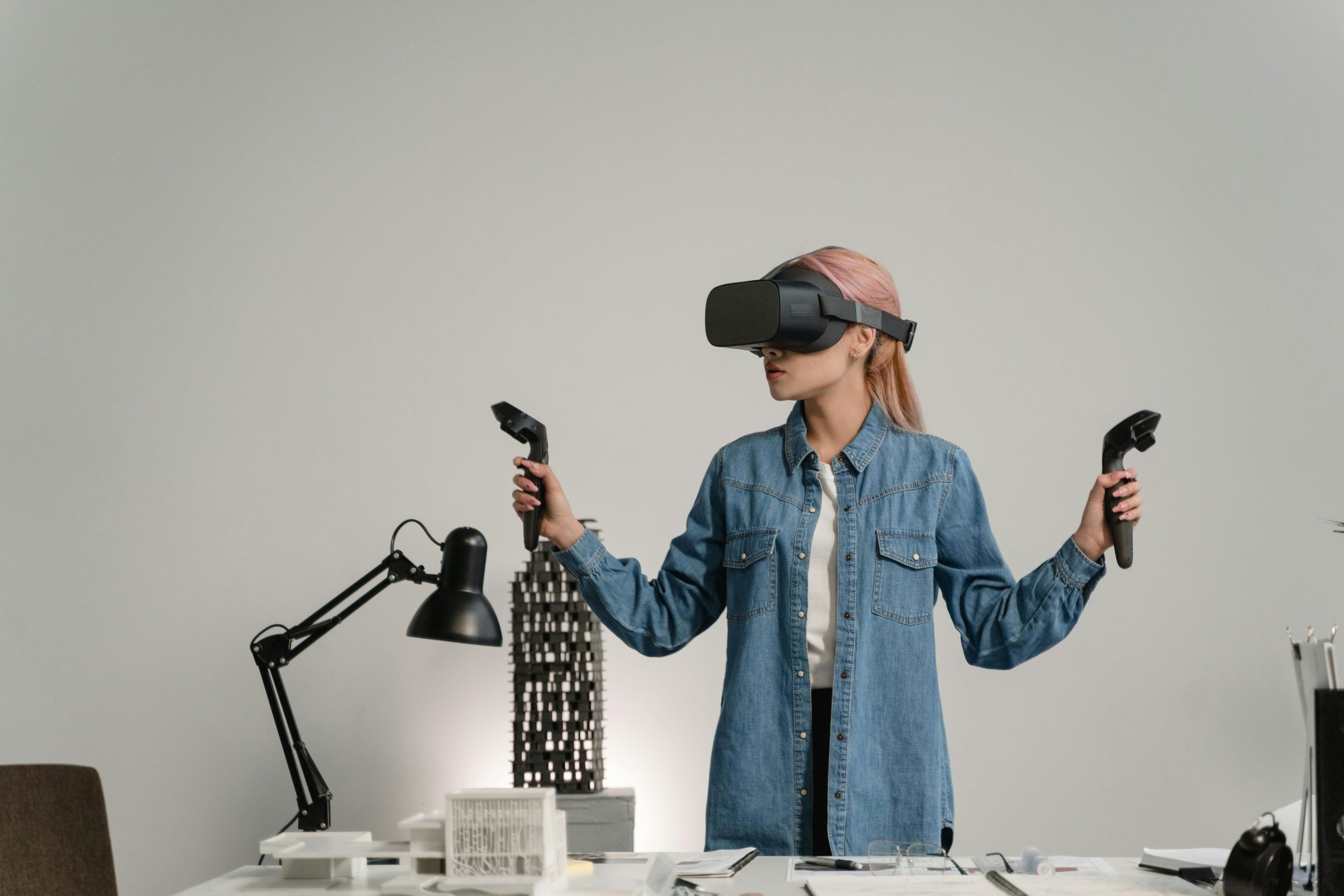
One of the most thoughtful parts of the lesson was the discussion about medicine. Sarah, who is interested in becoming a doctor, reflected on the shortage of doctors in France and on how technology might support healthcare in the future. The idea of virtual consultations, digital prescriptions, and robot-assisted surgery made the future feel both exciting and a little strange. Fruitloop described how some medical technologies already help doctors work with more precision, especially in surgery. But neither of them believed that AI could fully replace a doctor. A machine may analyze, detect, or assist, but the full role of a doctor still requires trust, interpretation, empathy, and responsibility. In that sense, the future of medicine may be less about replacement and more about partnership between humans and technology.
The lesson became even more interesting when Fruitloop asked what it would take to become an AI specialist. At first, the title sounded almost mysterious, like one of those strange modern jobs people hear about but do not fully understand. Then the answer became clearer: math, statistics, programming, especially Python, machine learning, data handling, and practical projects. Sarah’s reaction was immediate and honest. It sounded difficult, and in many ways, it is. But her response also revealed something deeper. Difficulty alone is not what makes a path right or wrong. Interest matters. Passion matters. Sarah admitted that, for her, becoming a doctor still feels more meaningful because it connects to what she truly wants.
Another key idea in the conversation was creativity. Can creativity be automated? Sarah did not think so, at least not fully. She argued that behind every AI-generated idea, video, or trend, there is still a real person giving instructions, making choices, and shaping the result. AI can remix, accelerate, and expand ideas, but it does not replace the human spark behind them. This was one of the strongest moments of the discussion because it showed that Sarah was not simply talking about technology as something impressive or scary. She was thinking about authorship, responsibility, and where ideas really come from.
School and digital literacy also played an important role in the lesson. Sarah described a class where students learn how to use tools like Word, Excel, websites, and applications, as well as a platform called Pix that helps them build digital skills step by step. Even though she did not find every part of the course exciting, she understood why it matters. In the future, many jobs will require at least a basic understanding of technology. Not everyone needs to become a coder, but many people will need to understand how digital systems work. Sarah made an especially smart point when she said schools should perhaps focus first on helping students understand coding rather than forcing everyone to master writing code. That difference is important. Understanding creates confidence, and confidence creates access.
The discussion also touched on inequality. If future jobs depend more and more on AI, what happens to people who do not understand it? Sarah’s answer was practical and hopeful. She suggested that basic knowledge is more available now than ever before. People can learn through videos, tutorials, and even social media. In her view, the gap can be reduced if people are willing to stay curious and learn the essentials. It was a realistic answer, not too dramatic, but also not naïve. Technology can create new opportunities, but only if people are given the tools to keep up.
As the lesson moved toward its end, the tone became more playful. Sarah imagined future job titles that made no sense, like “AI creative manager,” and dreamed up a robot assistant that might forget its own head at home because it had left it charging on a table overnight. She imagined working inside a video game, choosing a strong and flexible character like someone from Jumanji. And perhaps the most memorable idea of all was a machine that could dress you, brush your teeth, and prepare breakfast while you stayed in bed a little longer. It was funny, imaginative, and strangely practical. In that moment, the future no longer felt like a cold system of machines and automation. It felt human, ridiculous, inventive, and alive.
In the end, this conversation was not just about jobs. It was about adaptation, curiosity, and the growing relationship between people and technology. Sarah approached the subject with honesty, humor, and caution. She did not treat AI as magic, and she did not treat it as doom either. Instead, she asked the kind of questions that matter: Which jobs will change? Which skills will matter? Where do humans still belong? The answers are not finished yet, but one thing seems clear. The future will not belong only to machines, and it will not belong only to people who fear them. It will belong to those who can understand change, think creatively, and still remember what human work is really for.