
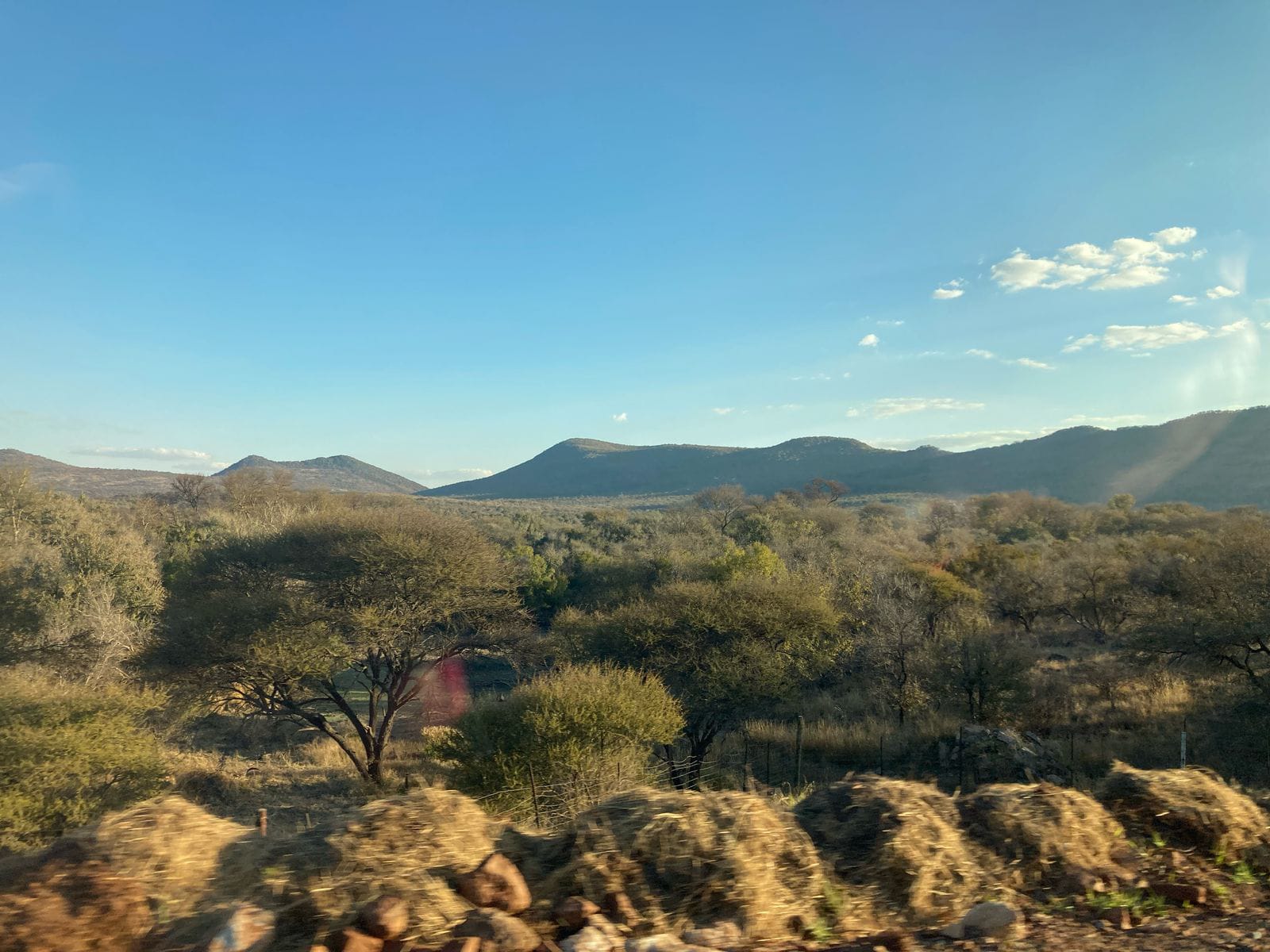
South African road trip – Hartbeespoortdam and a Thabazimbi festival.
By Janita Le Grange, South Africa
We left early on Friday morning for the 380 km drive to Thabazimbi to visit my grandparents and attend their annual festival. We planned a few stops along the way, starting with Hartbeespoort Dam.
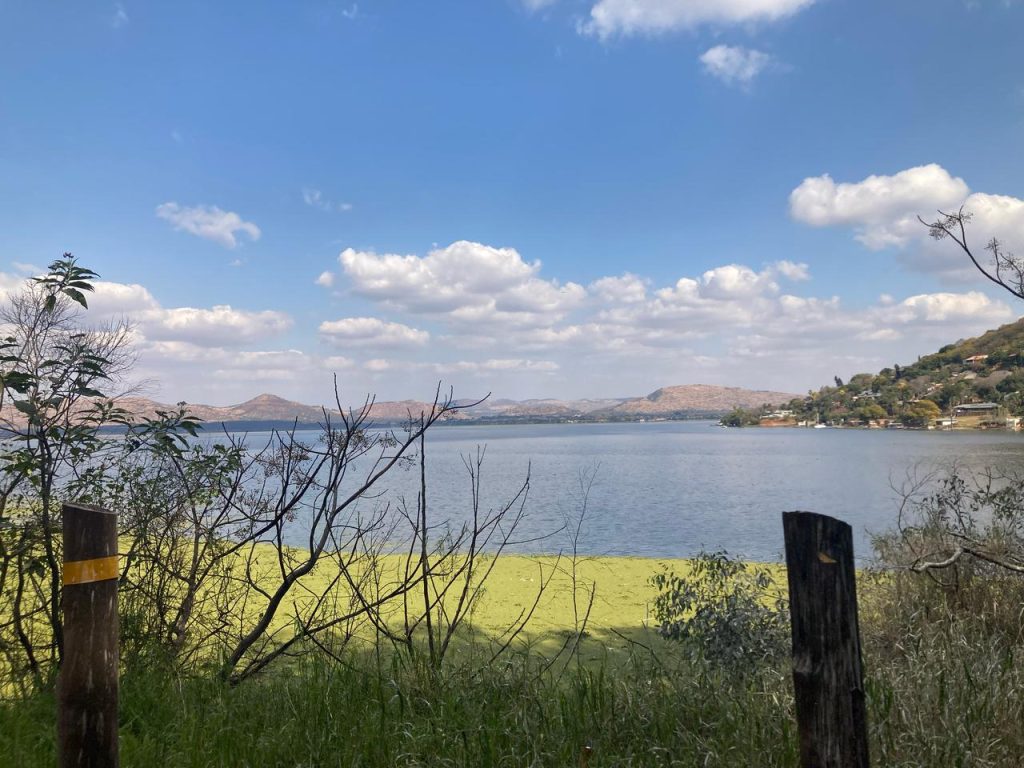
General Hendrik Schoeman had a vision, a pocket full of ambition, and a pile of rocks.
It was 1896. Standing on the banks of the Crocodile River on his farm, he decided to tame the water. He stacked stones and poured cement for a wall he called Sophia Dam—a tribute to his wife, set in concrete.
Then life happened.
Financial pressure crept in. The Anglo-Boer War broke out. Tools were dropped, the cement dried in the sun, and the half-finished wall was left alone against the current.
By 1905, they realized the spot was all wrong anyway. The project moved down the road to a narrow gap in the Magaliesberg mountains—a gorge where hunters once cornered hartebeest.
That is how Hartbeespoort Dam was born.
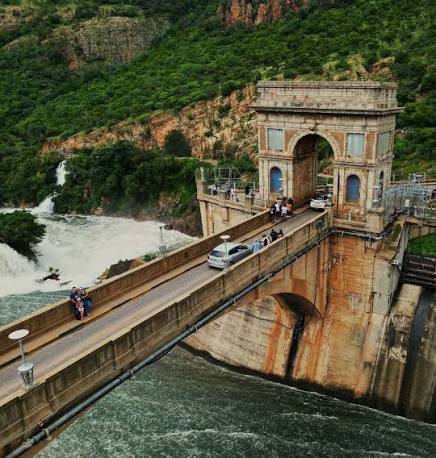
(Borrowed image of the dam wall, what it looks like now)
Today, it sits quietly between the Magaliesberg and Witwatersberg ranges, just a short drive from Johannesburg and Pretoria, feeding nearby farms and filling taps behind a smooth concrete arch.
Hartbeespoort Dam is a famous weekend destination, close enough to visit for a quick day trip or a full weekend escape. Whether you are taking a cable car ride up the mountain, enjoying a boat ride on the dam, or sightseeing along the dam wall, there is plenty to explore. Visitors can wander through local markets, visit the Upside Down House, go on hot air balloon rides, or stop by the cheese farm for lunch. For animal lovers, the Elephant Sanctuary, Lion Park, and Hartbeespoort Snake and Animal Park offer fun, hands-on experiences for the whole family.
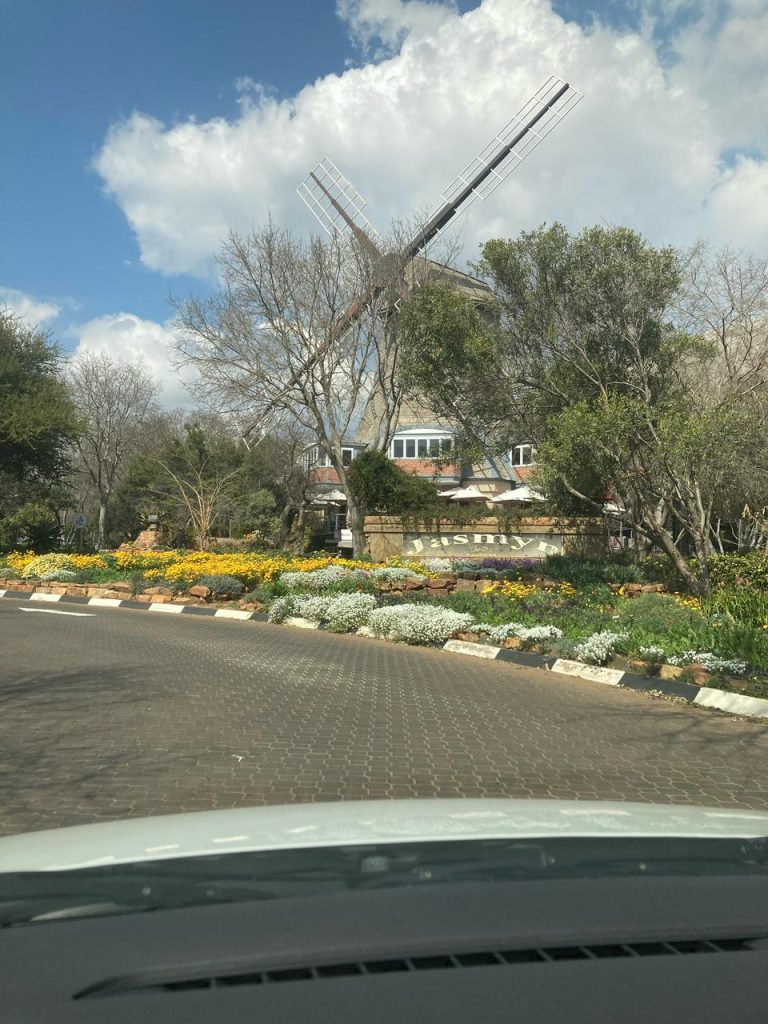
Our first stop was at Jasmyn, a family-owned farm stall specializing in premium farm-to-table products sourced directly from local farmers. They offer fresh produce, dairy products, and artisanal goods alongside two sit-down restaurants. Best of all, the main building is designed to look like an iconic Dutch windmill.
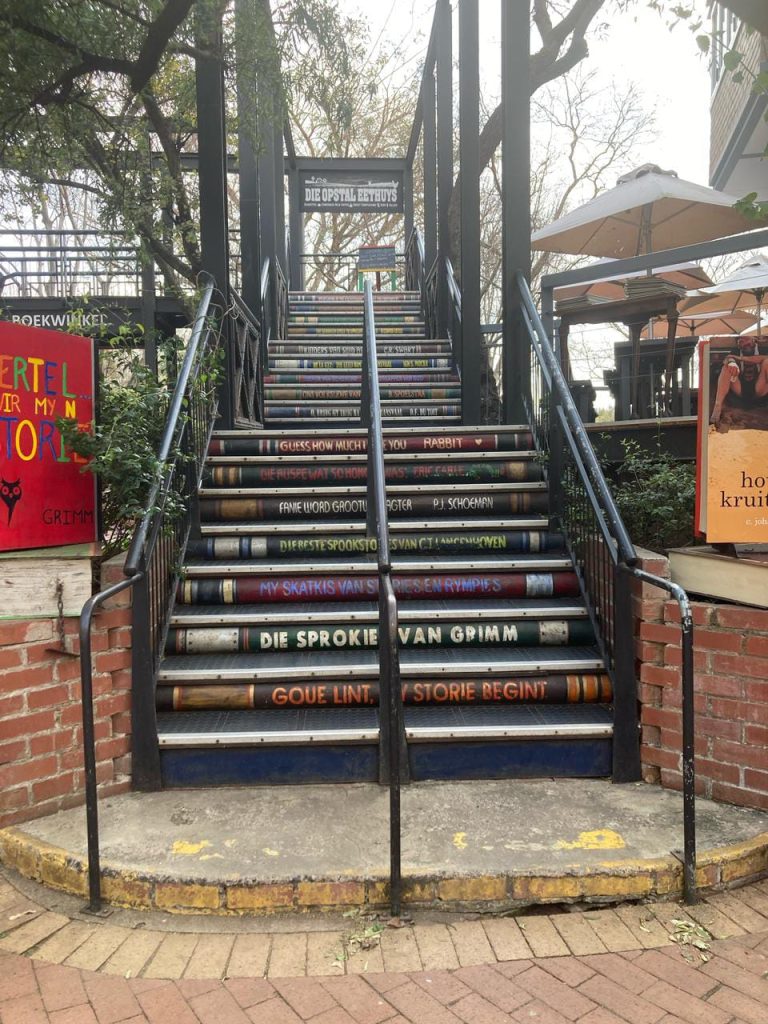
A central theme throughout Jasmyn is plants, books, and fresh farm produce. My favorite detail was the staircase leading up to the restaurant, painted to look like rows of book spines— probably because I love reading so much.
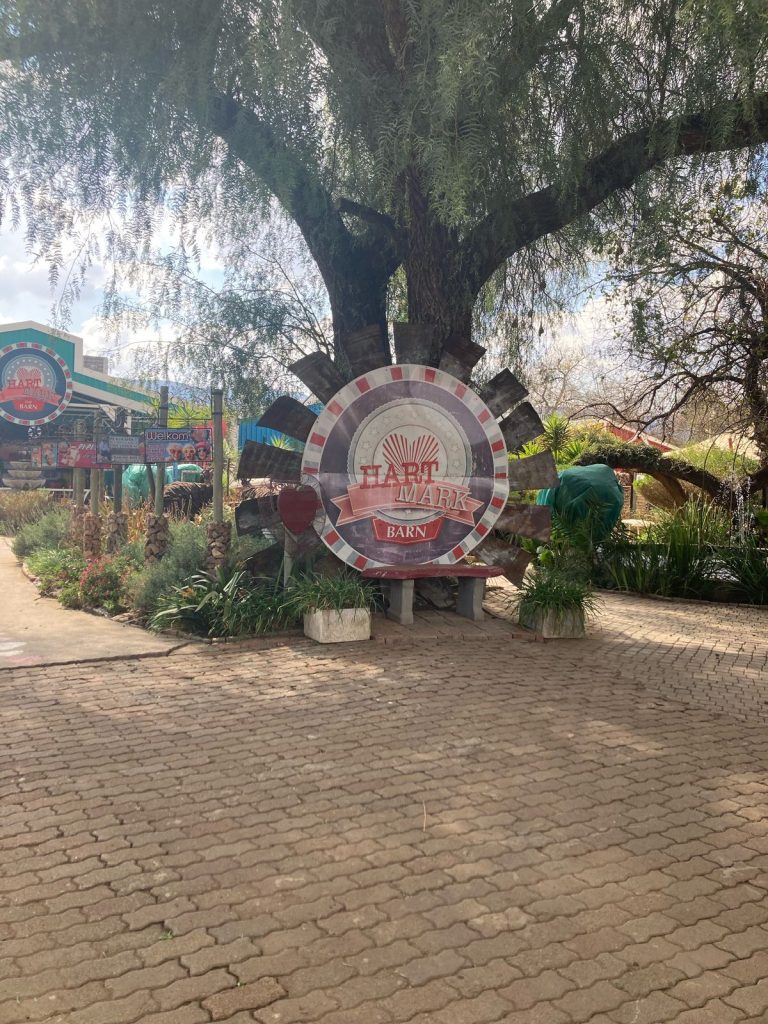
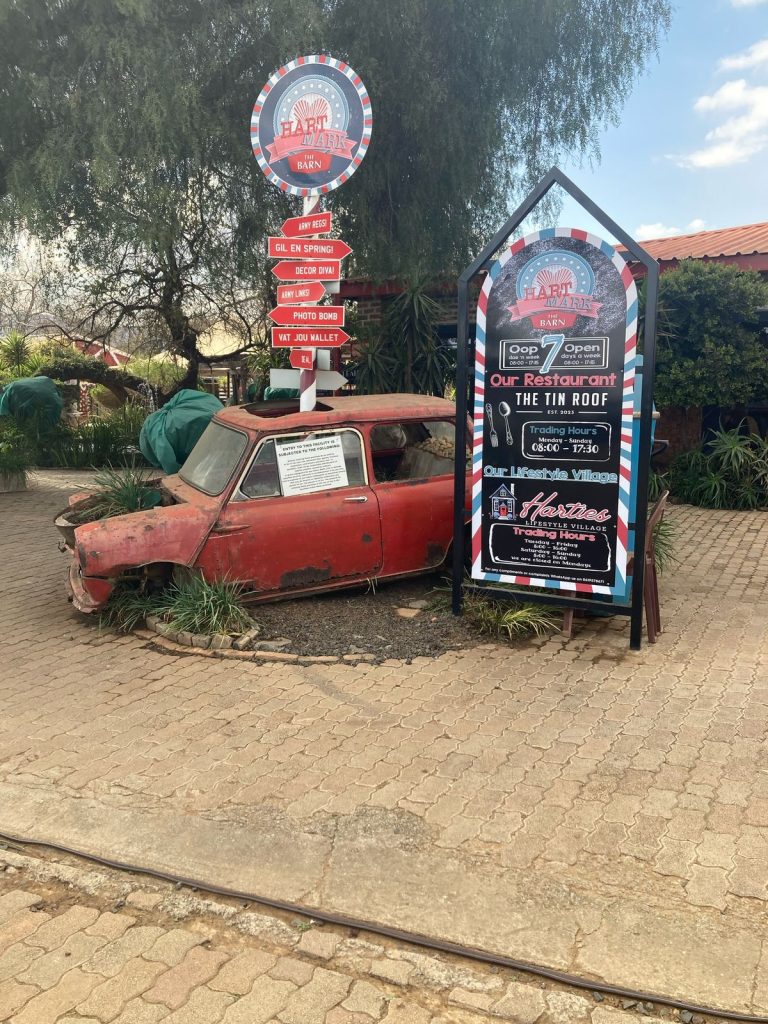
Our next stop was Hart Mark—a place that started as a small stall at a weekend flea market before finding its true home right in the heart of Hartbeespoort. Built on grit and a passion for supporting local makers, it has grown into the largest permanent indoor market in South Africa. At its core, it’s still about creating a warm, quiet space where local businesses can shine, visitors can make memories, and creativity has room to breathe.
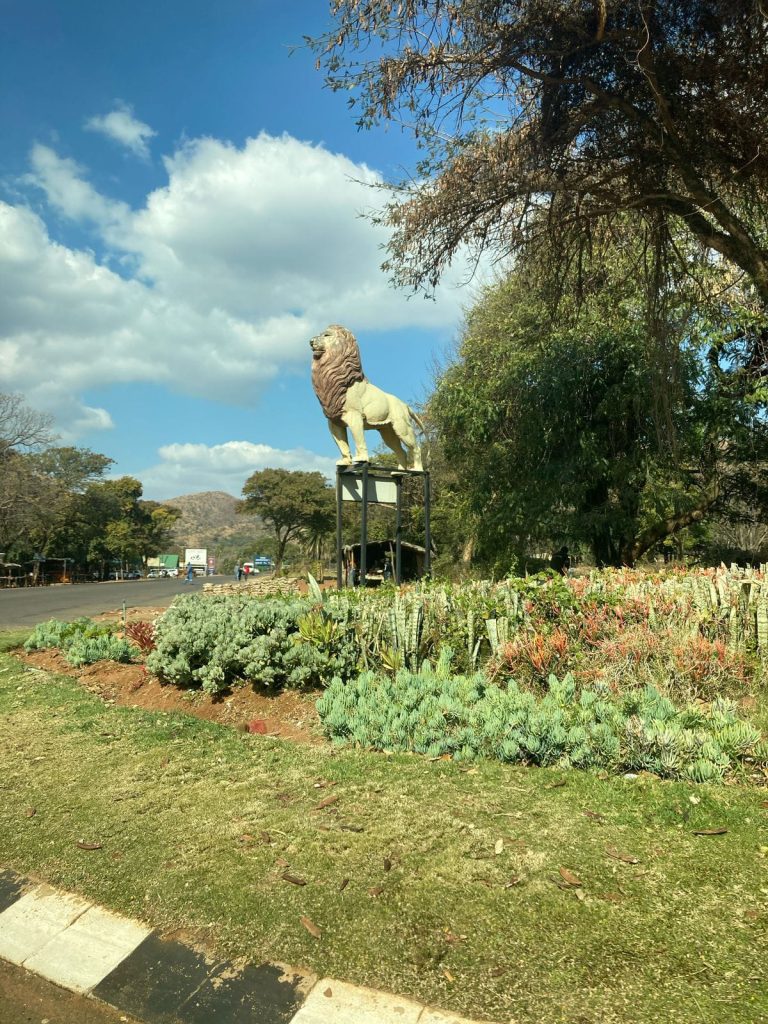
As you drive along, you’ll notice statues of African animals scattered along the route. This proud lion is one of them, keeping watch from his pillar just as he has for years.
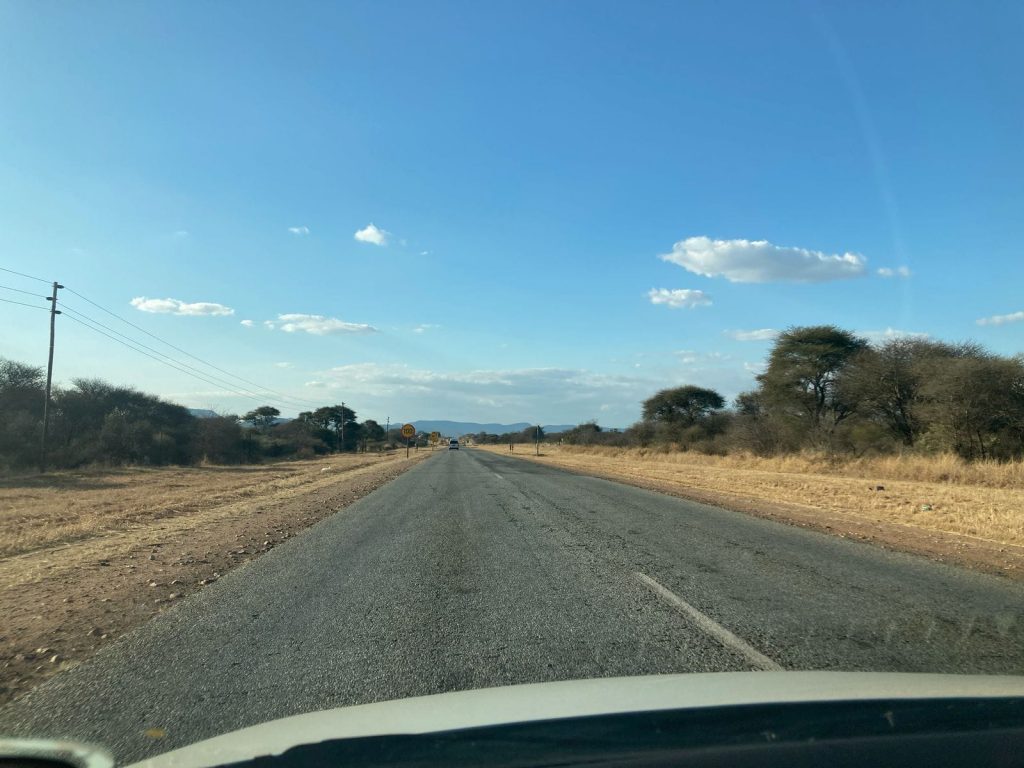
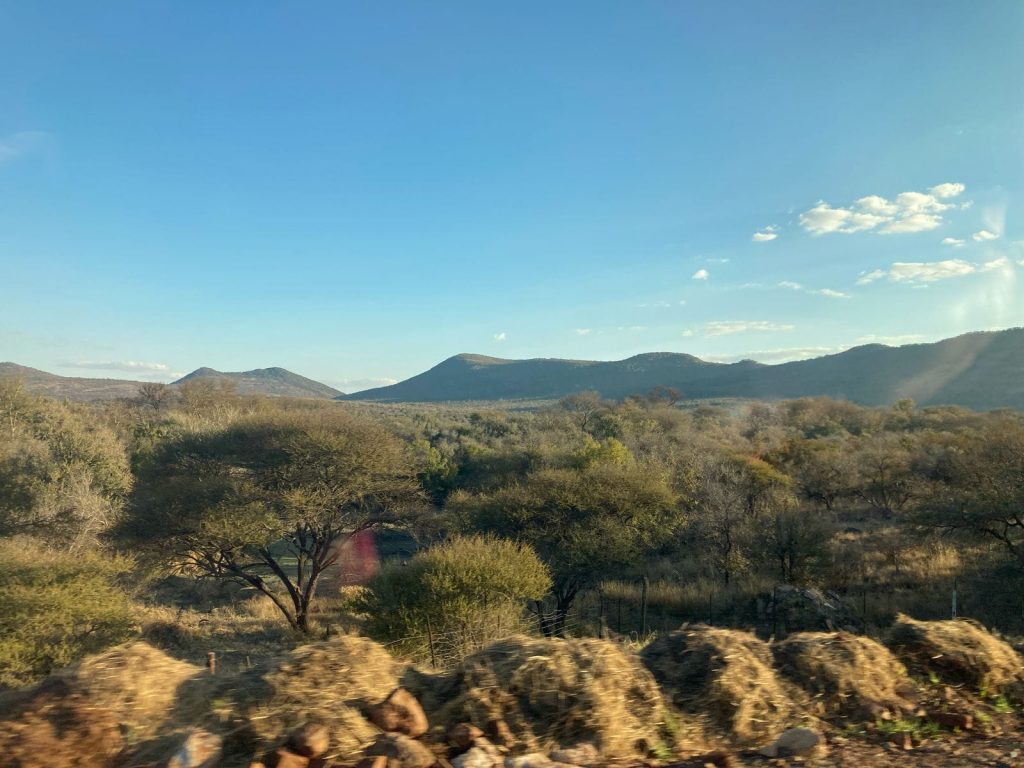
Leaving Hartbeespoort behind, we hit the long stretch of open road. The landscape slowly unfolds into beautiful farmland—orange groves, sheep, cattle, and game farms. If you keep your eyes peeled, you might catch sight of an antelope, giraffes, baboons, or even a few zebras. Just wide-open fields, quiet mountain views, and the river winding alongside every now and then.
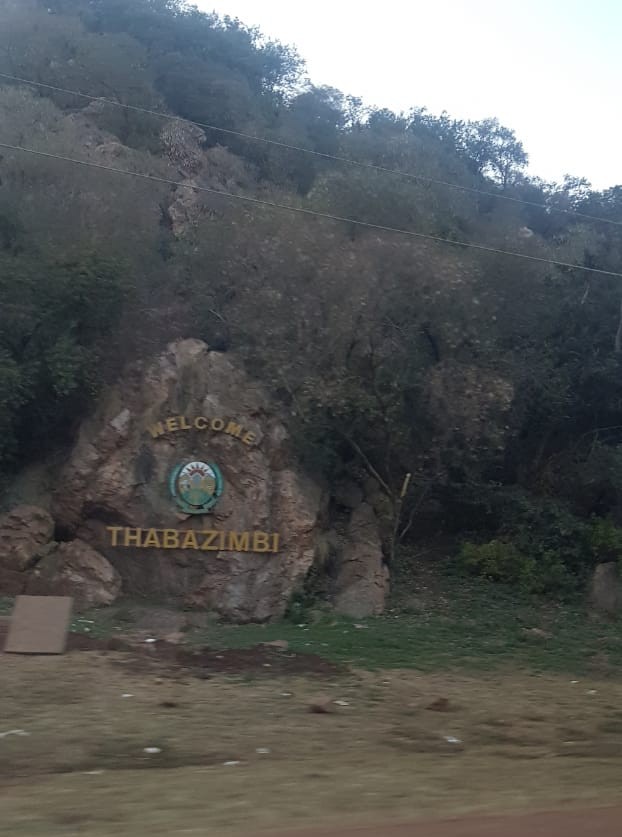
Finally, we arrive in Thabazimbi.
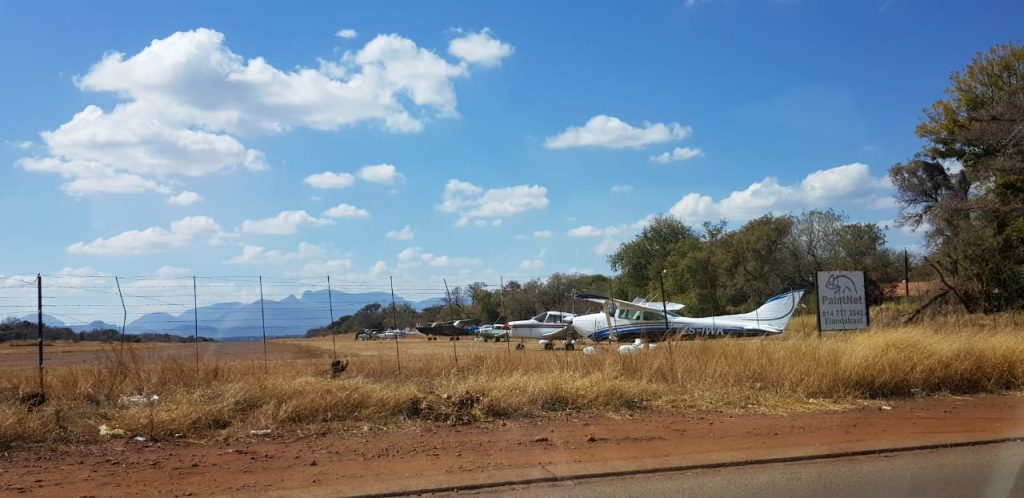
On the day of the festival, people travel from all across the country—some driving long distances, others even arriving by airplane or helicopter. Hosted every year in early August for the past 18 years, the festival is famous for its great food, affordable meat, biltong, and droëwors—classic South African delicacies.
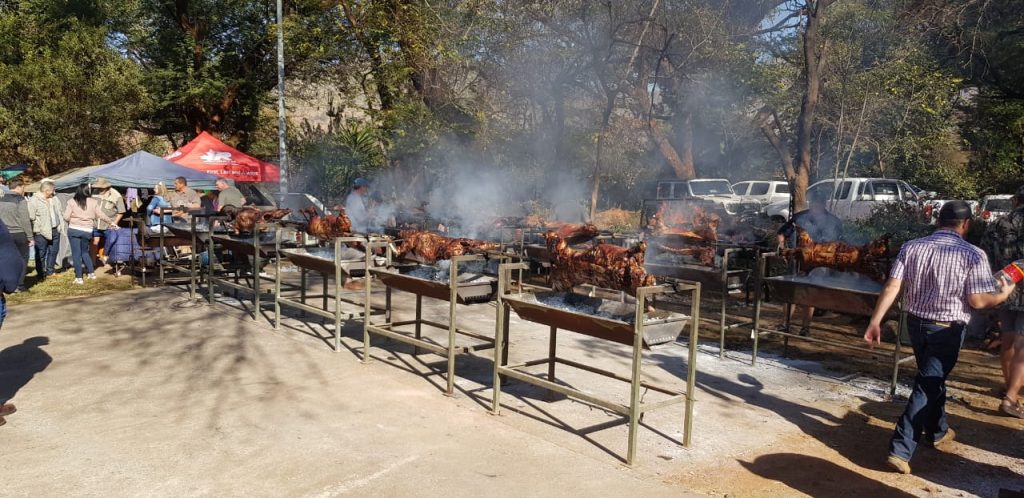
The organizers start early, with some arriving at 3:00 a.m. to get the food ready. Traditional South African favorites like pap and kaaiings, sheep on the spit, curry and rice, roosterkoek, and pancakes are all cooking over the fires. By the time the gates open at 7:30, everything is hot and ready.
Each year, two big-name South African music artists perform live, while visitors browse a wide variety of stalls. The packaged meat, biltong, and droëwors stalls are always the most popular, alongside vendors selling plants, cakes, biscuits, books, sweets, and handmade leather products, quilts, and clothes. You can even pick up fresh farm produce or visit the animal stall, which is filled with chickens, geese, birds, puppies, hamsters, rabbits, pigs, and lambs.
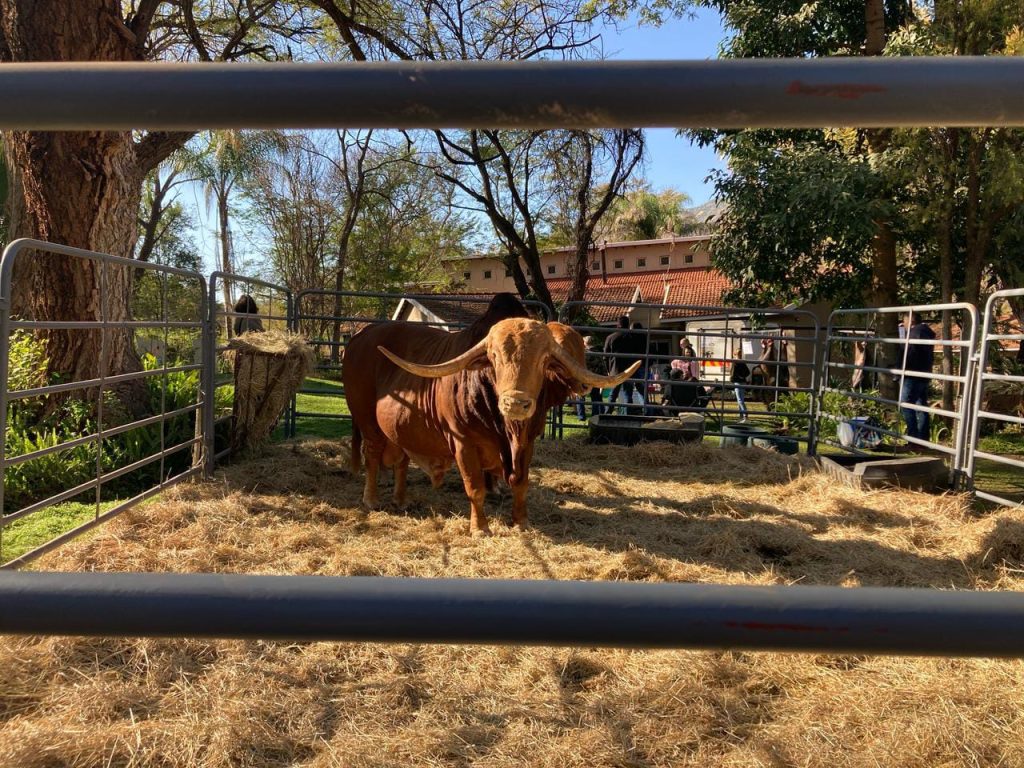
Competions like guess how much the bull weighs – win a prize.
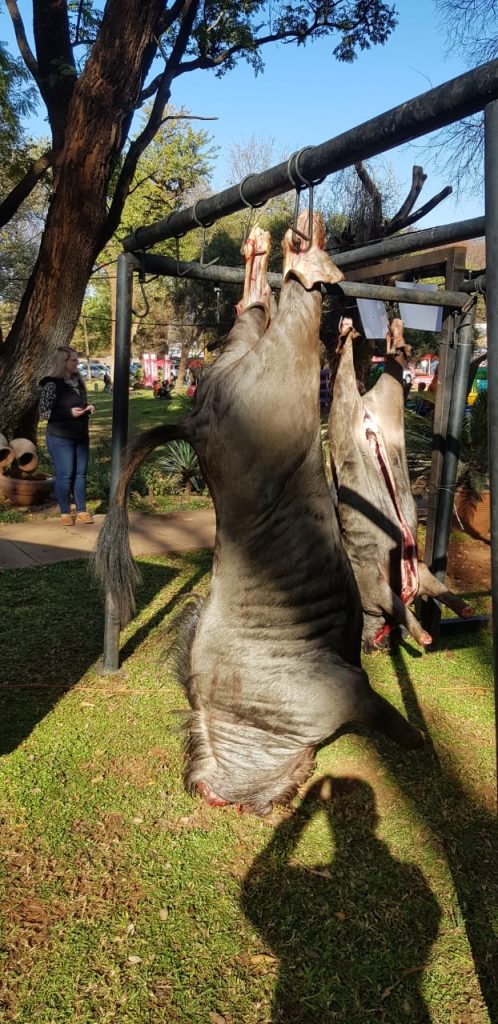
Carcasses of antelope, blue wildebeest, and sometimes warthog are also prepared for competitions and put up for sale.
At the end of the day, it’s the culture, the warm people, and the whole atmosphere that make it special. It feels so different from your everyday market, and that’s what makes it an experience worth having.