
Lyon Looked Back.
By Frank Peters.
We came to Lyon because we had to. There was a hospital appointment for my wife. That was the reason for the trip.
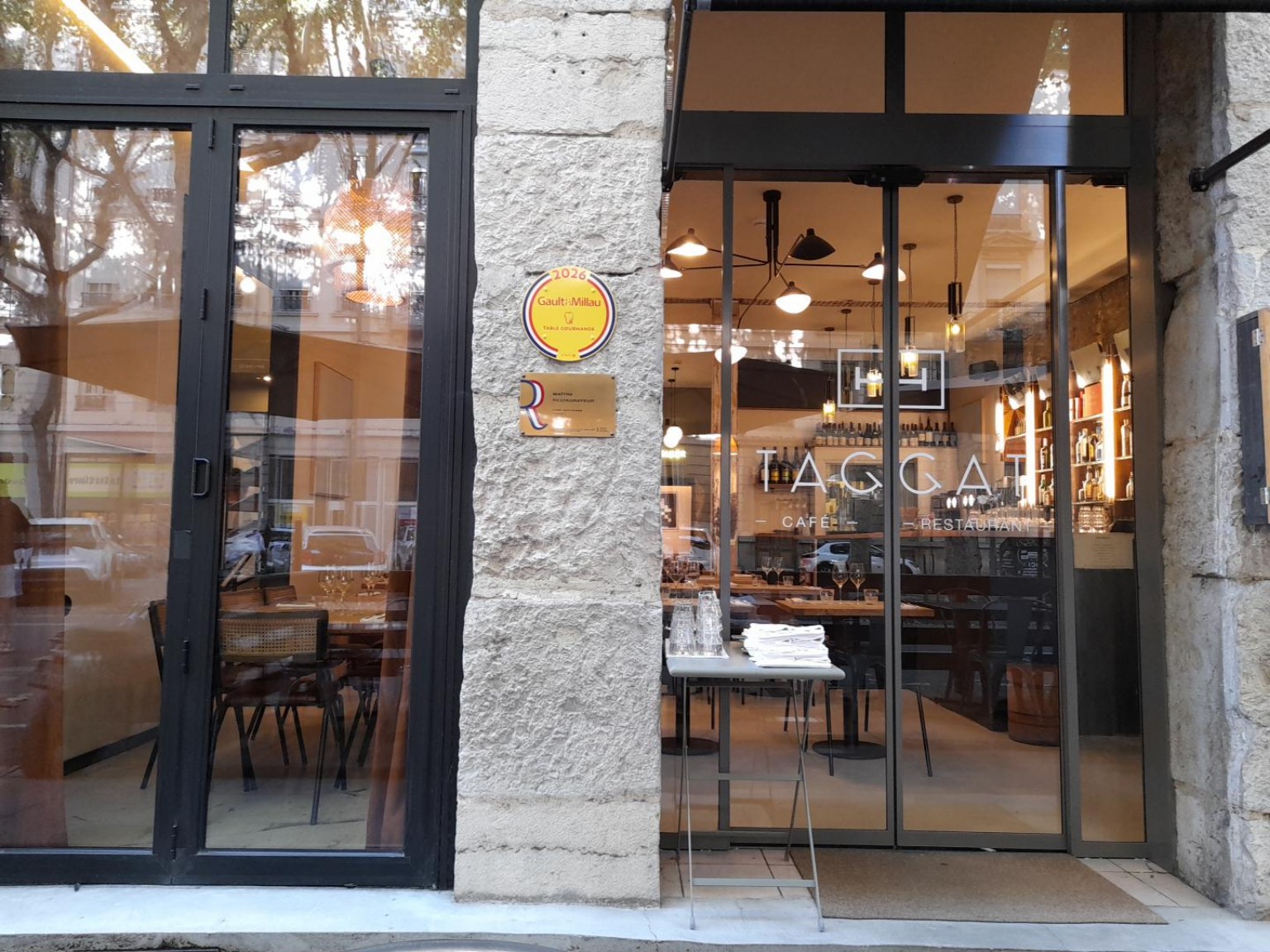
But before any of that, there was the hotel.
My entrance was dramatic. I needed a bathroom. Immediately. The receptionist pointed me in the right direction, and that was my introduction to Hotel Taggât.
Welcome to a different sort of hotel.
The public bathroom downstairs has more character than many entire hotels I have stayed in. There were bare surfaces, unusual details and things that seemed to have been used for a new purpose. Some parts looked as if somebody might return with a paintbrush the next morning.
It made me curious, which is not a bad thing for a hotel to do.
Or travel, for that matter.
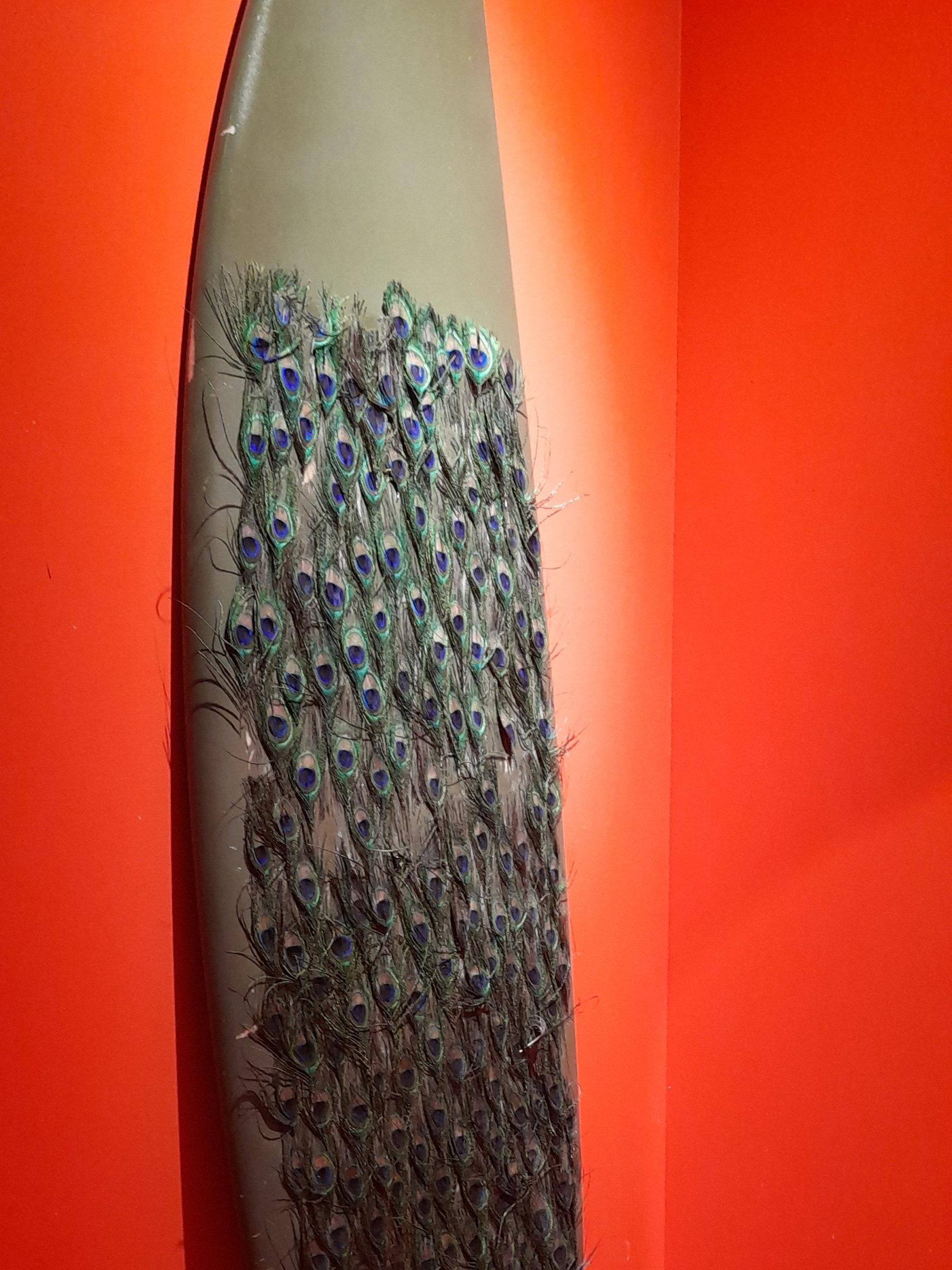
Taggât will divide opinion. I like it. It has what I would describe as a carefully planned continuous-renovation style. Things can look unfinished or improvised, but they are not there by accident.
Look beyond the surface, and something else appears. The team is young and incredibly friendly. The restaurant is serious stuff. Breakfast is generous, with a clever vertical buffet and freshly pressed orange juice on tap. The room and bathroom were clean, and the bed was extremely comfortable.
And the fan hanging from the ceiling was a welcome change to airconditioning.
At 34 degrees, details matter.
Taggât would become home for me.
More on that later.
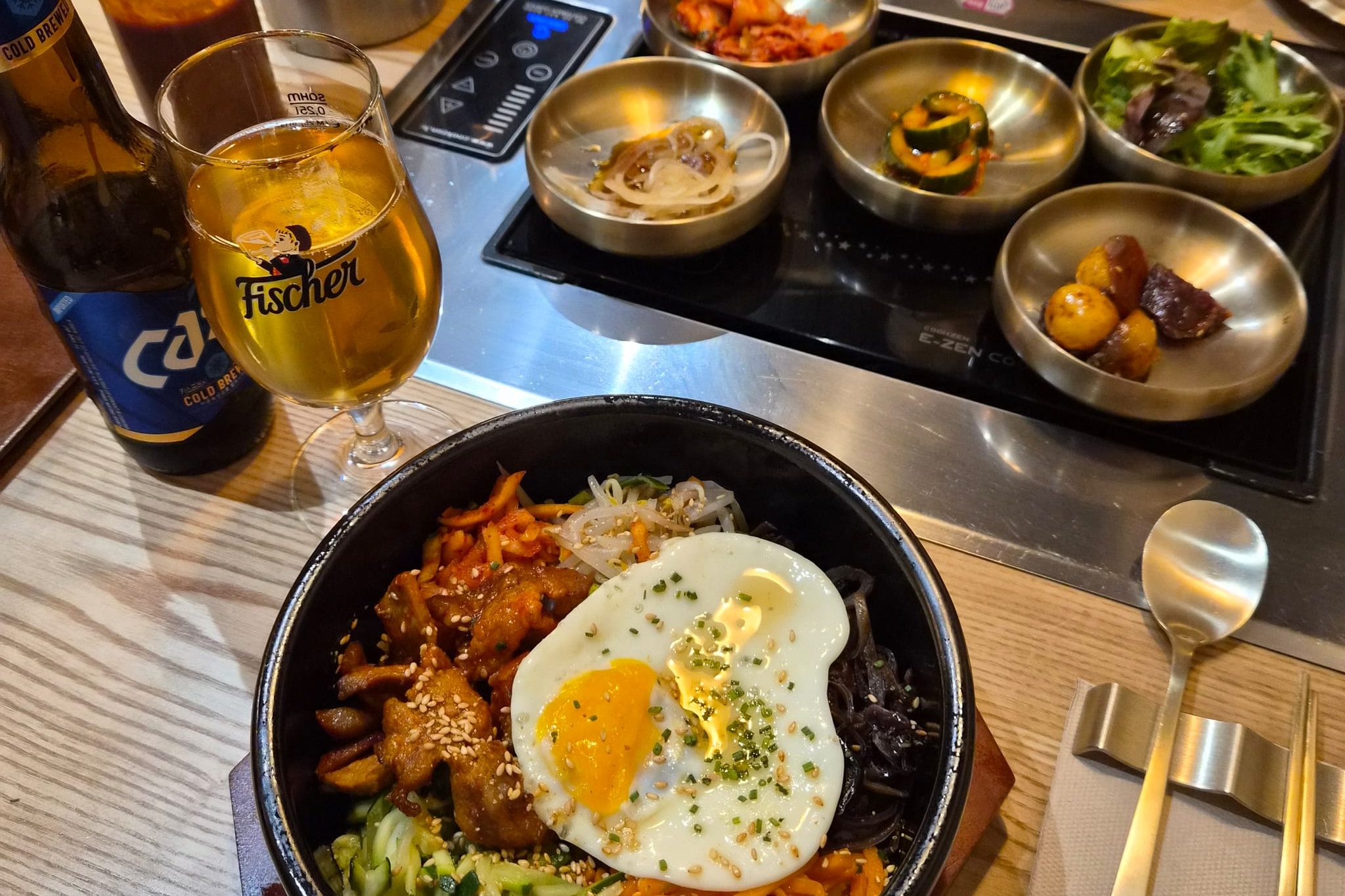
That first evening, Sunday, we went out for Korean food. Hanuri Grill was packed. We had eaten Korean barbecue in Seoul the previous year, so there was already something familiar about the smells, the tables and the young Korean family beside us, all busy with their phones.
Food travels.
So do memories.
Then we discovered that Hanuri had a Strasbourg connection. In fact, their first restaurant opened there. One of the staff knew Cleebourg. Not vaguely. He knew the wine cooperative and told us its Pinot Gris was one of the best he had drunk.
There we were in Lyon, travelling away from home, only to find Cleebourg waiting for us over dinner.
That would happen again.
Walking Without a Plan.
Monday morning was the hospital.
The reason we had come.
There is no need to make more of it than there was: an appointment, new found certainty, a first visit and afterwards my wife feeling bad enough to just want to go back to the hotel.
By early afternoon I was alone and needed food. That was the beginning of my first proper walk through Lyon. I had no real plan and no list of important things to see. Just Rue Vendôme, heat, hunger and time.
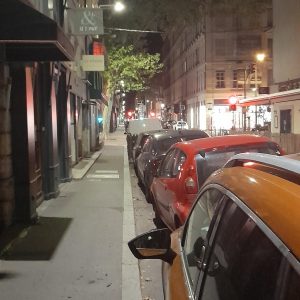
The street helped. Huge plane trees gave shade to the pavement. My phone told me it was around 34 degrees, but the street disagreed. There was a breeze. People sat under awnings. Cars moved without much aggression. Open windows gave me small views into the apartments above.
Lyon seemed remarkably calm for a city of its size.
Almost suspiciously so.
And because I was alone, I began noticing things. Nobody was waiting for me and there was nowhere I urgently needed to be.
I could stop.
So I did.
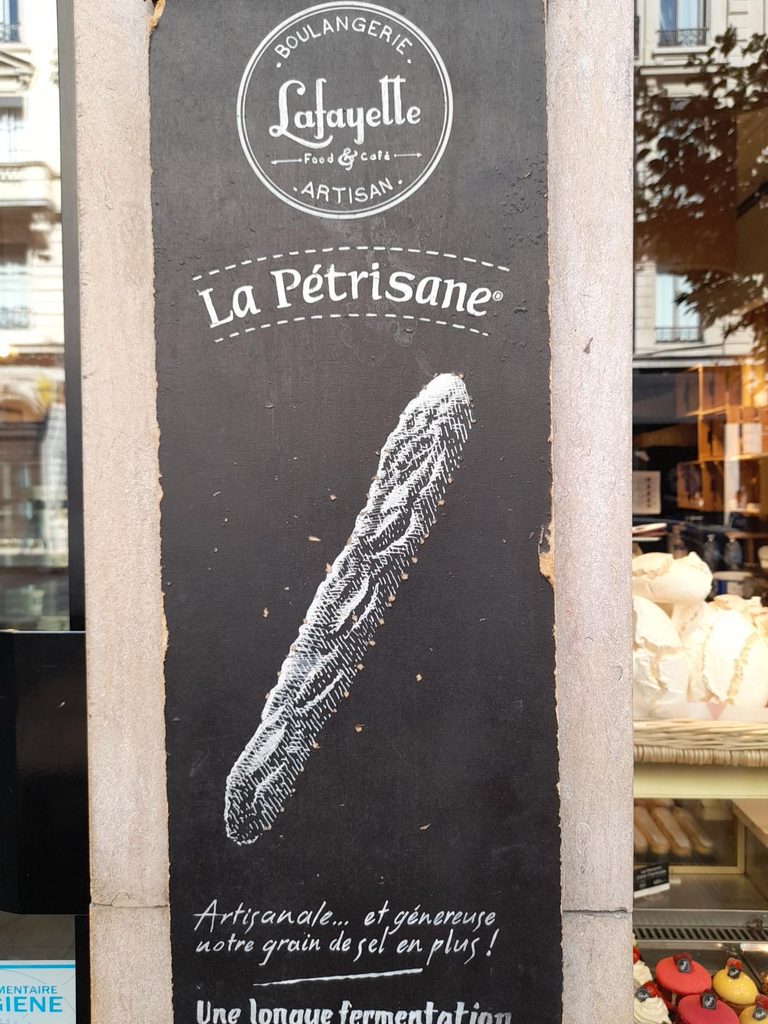
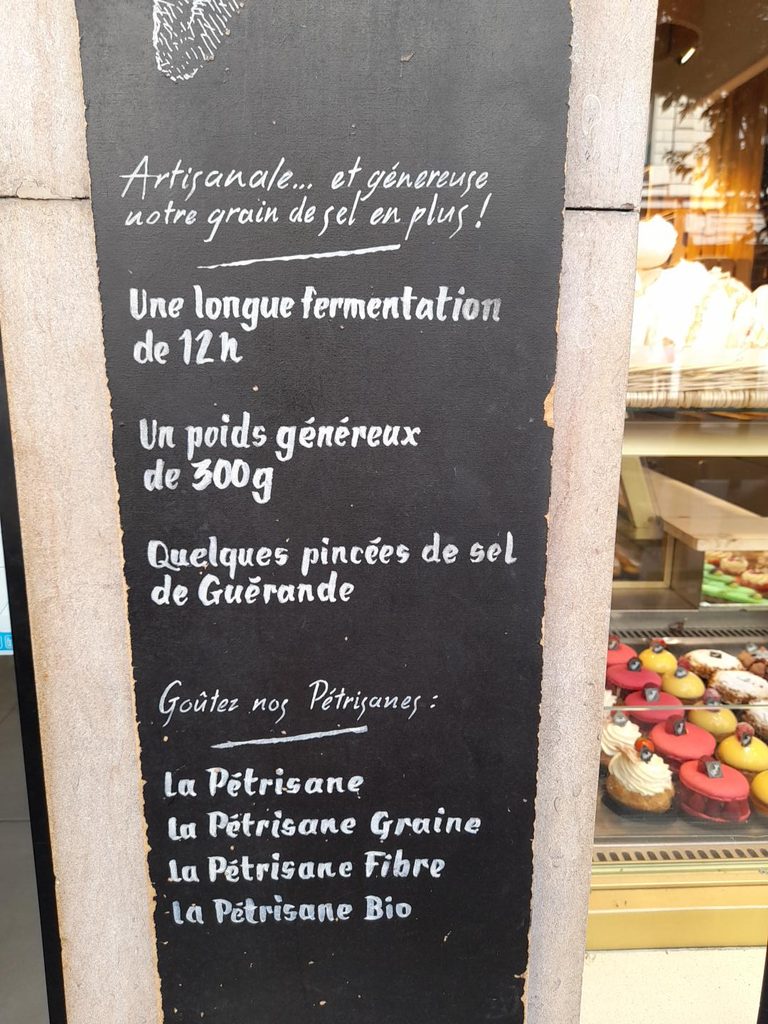
At a boulangerie I found a baguette made from bread with what was almost a CV. It was not simply bread. There was information about where it came from, what had gone into it and who had made it.
A small life story attached to something we normally tear apart over breakfast.
I liked that.
Pride in what one does.
We talk a lot about innovation, growth and all the other important things we are apparently supposed to care about. Sometimes it is enough to make a loaf of bread properly and tell people where it came from.
I kept walking towards Les Halles de Lyon Paul Bocuse, probably expecting too much. It was Monday afternoon and many places were closed. What remained felt more like a collection of restaurants than the great food market I had expected.
For a moment I wondered whether Lyon’s famous reputation for food had become something of a problem.
Food has travelled, after all. Things that were once difficult to find are now available almost everywhere. Parmesan, truffles, oysters, Korean barbecue, Japanese whisky, Alsatian wine.
Good food from around the world has become much easier to find.
For a moment, I wondered whether Lyon was losing some of its magic.
Three Unknown Beers.
That Monday afternoon eventually brought me back to Taggât. My wife was upstairs, still feeling dreadful, and I went downstairs to the restaurant for an apéro.
There is a purpose to an apéro that has very little to do with being thirsty. It creates a space between parts of the day. The day has happened and the evening has not quite begun.
You sit.
You look.
People walked past staring at their phones, by the way. Lyon had not discovered some magical escape from modern life.
That mattered too.
It would have been easy to come away with the usual travel story: people here live differently, they understand life better, they have somehow escaped everything the rest of us have got wrong.
Not quite.
They look at their phones too.
I wanted a beer. There were three on offer and I knew none of them.
A problem.
The young woman behind the reception, the one who solved my first problem at checkin, agreed that it was again a problem. Then she gave me the solution. I should try one.
She would choose.
Vedett.
It was good.
That should probably have been enough, but instead I became curious. Later I asked her to choose the second one. She did.
By the third beer, we no longer needed to discuss it.
The choice was made by reading my mind.
Or near enough.
There was nothing important happening, which was exactly why it mattered. A little bit of fun had appeared between two people who, a short time earlier, had simply been a guest and a member of staff.
No script. Nobody was trying to create a special customer experience. Just three unknown beers and two people willing to play along.
Much later she told me her name.
Constance.
By then the name simply caught up with the person.
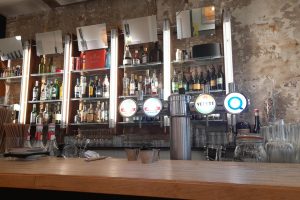
Later that evening I went back downstairs for hot water. My wife could keep down little more than camomile tea.
Several bottles of red wine, needing promotion, were sitting on the bar.
I complained.
Playfully.
Constance smiled.
“I was waiting for you.”
The joke had continued, and so had something else. Taggât no longer felt like somewhere we simply happened to be staying. Not because of one big gesture, but because of many small ones.
Someone points you towards the bathroom when you arrive in trouble. Someone takes breakfast seriously. Someone plays along with your beer problem. Someone remembers the joke several hours later.
Home is sometimes built out of very small things.
Looking Again.
Tuesday morning I set off again, this time towards Croix-Rousse. By then I was not simply trying to fill time.
I wanted to see more.
Croix-Rousse has a lot of history. The hill was once home to the canuts, Lyon’s silk workers. Their large looms filled workshops with high windows, and their revolts in the nineteenth century made the area an important part of Lyon’s working-class and political history.
You can read that before you arrive.
Walking through it is different.
Today there are cafés, apartments, people sitting outside, somebody walking the dog, a game being played in a square.
Life continues.
But the walls talk too.
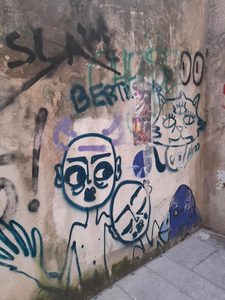
Graffiti is everywhere. Not the carefully planned street art that cities sometimes put on tourist maps. There are layers of it: names, slogans, new paint over old paint, one message answering another.
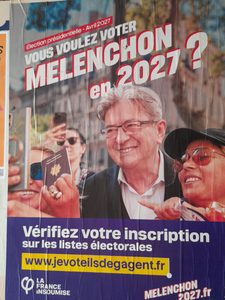
Then a Mélenchon election poster.
His face looked out from among it all, and I remember thinking that he probably stood a chance here.
It was only a passing thought, but the place gave it meaning. An area shaped by silk workers, revolt and political argument had not exactly become quiet.
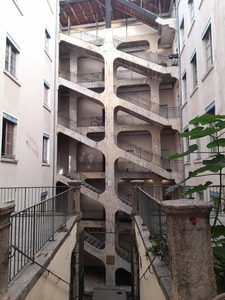
I went into a building simply because it caught my attention.
9 Place Colbert, the Cour des Voraces
Symbols everywhere.
I was the only tourist inside.
Outside again, the graffiti continued. Old Lyon and present-day Lyon seemed to share the same streets without trying to separate themselves for visitors.
A guidebook can tell you that Croix-Rousse has a history of rebellion.
Walk through it and the word history starts to feel slightly wrong.
By now I was enjoying Lyon. Not collecting sights or ticking things off a list.
Just moving through it.
Later came Le Sully.
A proper bouchon.
A pot of wine.
Pork scratchings on a nearby table.
Small amounts of food arriving one after another. Somehow it felt generous without being too much.
Then dessert.
I noticed what a woman two tables away was eating, asked what it was and ordered the same. That should have been the end of it.
It wasn’t.
We started talking and discovered that she had lived in Baden-Baden.
Again, home appearing where I had not expected it.
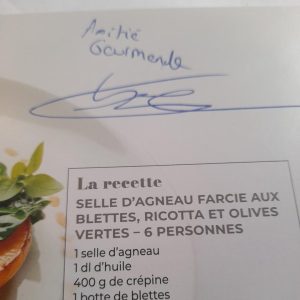
She was carrying a large book, Le Guide Épicure. There were free copies available in the bouchon; therefore, I asked for my own copy. Before leaving, I asked the staff to sign the page promoting their restaurant.
My memory.
A dessert I chose because I had seen somebody else eating it had become a conversation, a connection with Baden-Baden and a page of signatures to take home.
All because I asked.
The praline rose eventually arrived.
Very Lyonnaise.
The eyes eat too.
But I was beginning to notice that the food was not what I remembered most.
People were.
Then I returned to Les Halles, this time with my wife.
Tuesday’s Les Halles was not Monday’s Les Halles. More stalls were open. There were more people, more produce and wines I would genuinely struggle to find elsewhere.
Same building.
Different conclusion.
That is one of the useful things about travelling. It sometimes catches you being too certain.
My Monday judgement had not been completely wrong.
It was simply incomplete.
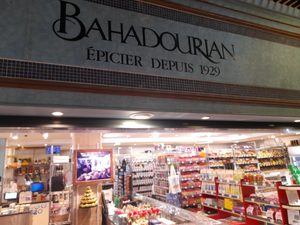
The metro was becoming familiar too. At first it had seemed confusing. Now I liked it, although not entirely because of my own brilliance.
At one point a TCL cleaner showed me how to recharge the ticket properly.
Thirty seconds.
Perhaps less.
But travel is full of these things. A person points at a machine. Someone explains a sign. A waitress tells you what somebody two tables away is eating. A stranger chooses your beer.
The city becomes less anonymous.
Later I took the funicular up to Fourvière. Tourists use it, of course, but so do local people. What looks like an attraction to a visitor is, for somebody else, simply the way home.
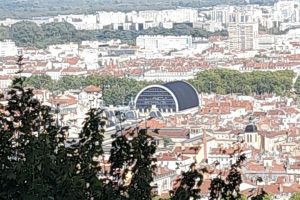
From Fourvière, Lyon finally made sense on the map. There was the Rhône, the Opera, the streets I had walked and the neighbourhoods I had moved through without quite understanding how they fitted together. The iron tower stood above us. Below, the city spread out.
There is something different about understanding a place with your feet first and your eyes afterwards.
Google Maps can show you where everything is. It cannot give you the moment when a neighbourhood changes almost without warning, the experience of reading a metro sign incorrectly, or the discovery that the pavement itself has signs you have been walking over all morning.
Travel is inefficient like that.
Which may be one of its good points.
Welcome Home.
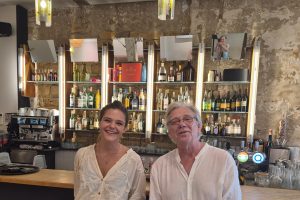
Eventually we walked back into Taggât and Constance was hoovering behind the bar.
She saw us and waved.
A tiny thing.
But there it was.
Welcome back.
And I think that was where the purpose of travelling changed for me. At first, I had gone out looking for Lyon: bread, Les Halles, Croix-Rousse, a bouchon, the funicular, Fourvière, history, food, streets and views.
Somewhere along the way, parts of Lyon had started coming back towards me. A man in a Korean restaurant knew Cleebourg. A woman at lunch had lived in Baden-Baden. A cleaner helped me understand the metro. The staff at a hotel began recognising me. Even the cashier at the Petit Casino on the corner recognised us by then.
The city became less anonymous.
A place begins to recognise you back.
Not literally, perhaps.
But parts of it do.
And then something stranger happens. Home starts appearing too. Strasbourg. Cleebourg. Baden-Baden. Even Seoul over dinner.
At first I wondered whether this meant places were becoming less different from each other. The same phones, the same international foods, the same habits crossing borders.
But that wasn’t it.
The unfamiliar was making the familiar visible again.
At home I might walk past the boulangerie. I might not notice somebody helping a stranger with a ticket machine. I might see a small supermarket simply as somewhere to buy milk.
At home, perhaps, I stop looking.
Travelling makes ordinary life easier to see again.
Then Lyon gave us one final reminder that travel does not exist simply for our convenience. Our train home was delayed by more than three hours after a passenger accident between Valence and Avignon stopped services.
Plans changed.
That happens too.
Travelling can be tiring. It goes wrong. People become ill. Trains stop. You misunderstand signs. Places disappoint you. And sometimes you have to return to the same market the following day because your first opinion was incomplete.
We came to Lyon because we had to.
I left thinking it was worth coming because we looked.
Not because Lyon showed us some better way of living. It didn’t. It simply made ordinary things visible again: a loaf of bread with a CV, a pot of wine, graffiti on a wall, a metro ticket, three unknown beers, a wave from behind a bar.
Things seen. Things learned. People met.
Perhaps that is one of the purposes of travelling.
You leave home to discover somewhere else.
If you are lucky, somewhere along the way, you discover home as well.
Practical Details.
Hotel Taggât
110 Rue Vendôme, 69006 Lyon
Tel. +33 4 78 52 09 31
taggat.fr
Hanuri Korean Grill Lyon
2 Rue de Sèze, 69006 Lyon
Tel. +33 4 28 89 01 49
hanuri.fr
Le Sully
20 Rue Sully, 69006 Lyon
Tel. +33 4 89 41 07 97
lesullylyon.fr