
“Staying soft in a hard world ” Is it wise advice?
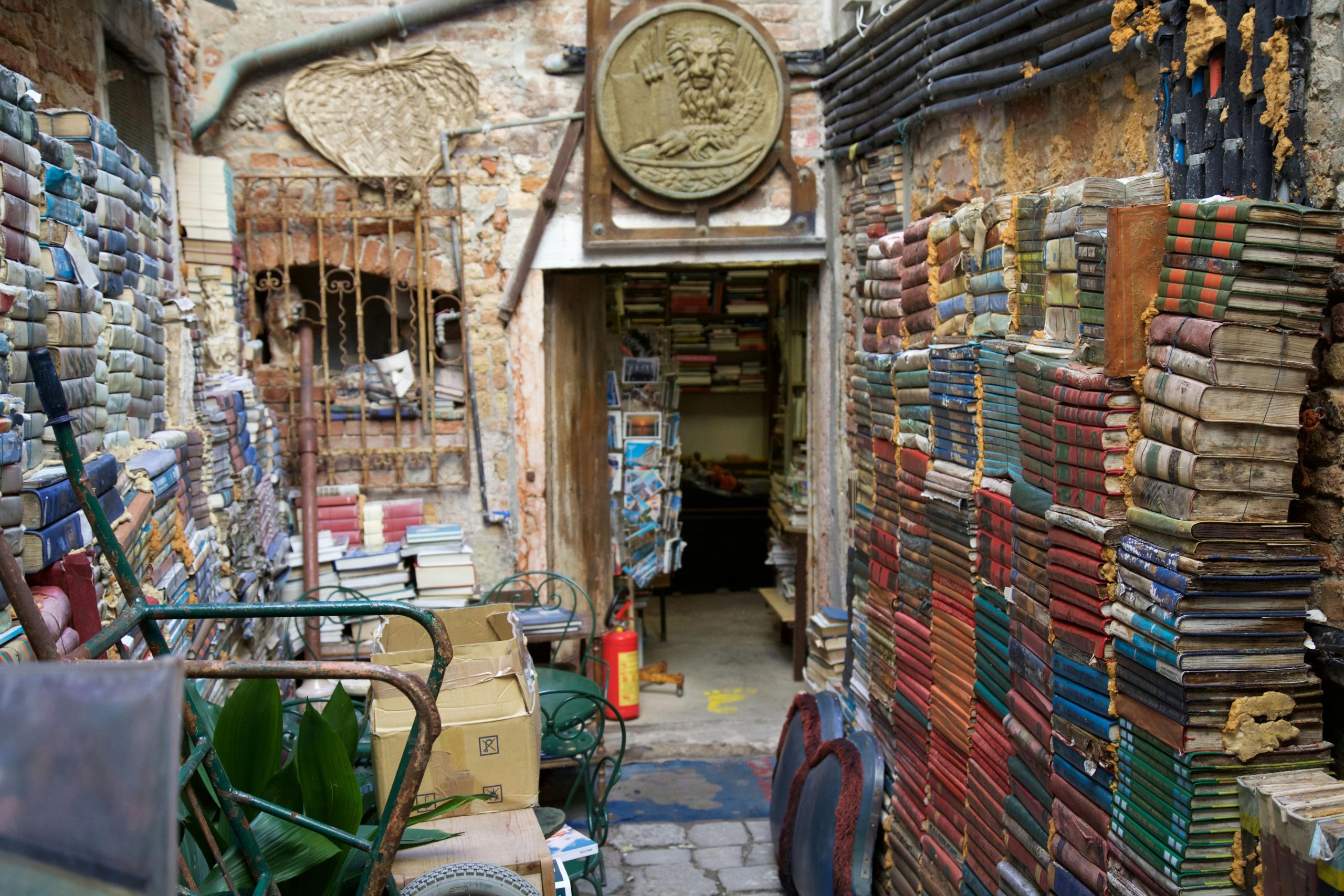
There was once an old bookseller who owned a tiny shop at the end of a narrow street in a crowded city. His shop was easy to miss. It had no bright sign, no expensive decoration, and no modern shelves. Dust rested quietly on the old wooden tables, and the smell of paper and rain lived permanently in the air.
Every morning, before opening the shop, the old man placed a small kettle near the window and made tea for himself. Then he waited.
The city outside was hard and restless. People hurried past each other without looking up. Faces were tense. Conversations were short. Everyone seemed to be chasing something — money, success, recognition, survival. In that city, softness looked almost foolish.
But the old bookseller remained gentle.
One winter afternoon, a young man entered the shop. He looked exhausted, though he could not have been older than twenty-five. His coat was wet from rain, and his eyes carried the kind of tiredness sleep could not fix.
“Do you have books about success?” he asked.
The old man looked at him carefully before answering.
“What kind of success are you searching for?”
The young man gave a bitter laugh. “The kind that helps people survive this world.”
The bookseller nodded slowly and poured a second cup of tea without asking permission.
“Sit,” he said softly.
At first, the young man resisted. He was not used to kindness from strangers. In recent years, life had taught him to distrust warmth. Friends had disappeared when he lost money. Love had become disappointment. Even his workplace felt like a battlefield where everyone smiled while secretly competing against one another.
Still, something about the quiet shop made him sit down.
The rain tapped gently against the window while silence settled between them.
Finally, the young man spoke.
“I think soft people suffer more,” he said. “The world respects cold people. Hard people survive. Soft people break.”
The old bookseller smiled sadly, as if he had heard these words many times before.
“When I was young,” he began, “I believed the same thing. I thought wisdom meant becoming untouchable. So after life hurt me enough, I changed. I became colder. More distant. I trusted nobody. And do you know what happened?”
The young man shook his head.
“I survived,” the old man said quietly. “But I stopped feeling alive.”
The room fell silent again.
The bookseller looked toward the street outside where people rushed beneath dark umbrellas.
“The world will teach you many things,” he continued. “It will teach you suspicion, pride, anger, and emotional distance. But if you learn only those things, the world wins.”
The young man stared into his tea.
“Then what should a person do?”
The old man’s eyes softened.
“Stay soft,” he said. “But stay wise.”
The young man frowned slightly, confused.
“There is a difference between softness and weakness. Weakness allows people to destroy you. Softness simply means your heart remains human.”
He pointed toward one of the old books on the shelf.
“Paper is soft too. Yet words written on paper survive for centuries.”
The young man said nothing.
The old man continued: “You do not need to become cruel to protect yourself. Learn distance without hatred. Learn silence without bitterness. Learn kindness without expecting it back every time. The hardest thing in this world is not becoming cold. The hardest thing is staying gentle after life gives you every reason not to.”
Outside, the rain slowly began to stop.
Years later, the young man would remember that tiny bookstore more clearly than many important moments in his life. He would forget the names of bosses, the numbers in his bank account, and most of the arguments he once thought mattered.
But he would never forget the old man who taught him that surviving the world was not the greatest achievement.
Keeping your heart alive was.