Where It Really Begins
I still remember how quiet it felt on that first day.
Not quiet in the sense of silence—there were machines, people, movement—but inside me, it was quiet. I didn’t know what to think yet. Everything was new, and at the same time, nothing felt special. It wasn’t a big moment like you imagine when you’re younger. No music, no excitement. Just a normal morning where I showed up, and work started.
Looking back, that’s probably what made it real.
I was seventeen when I started. At that time, I didn’t like school. Sitting, listening, writing—it never felt like my world. I always preferred doing something with my hands, creating something, seeing a result at the end. So when I entered this small company—maybe 25 people—it felt like I was finally in the right place.
But the beginning was not what I expected.
In the first week, they didn’t give me a real job. I just moved from one workplace to another, watching people. Eight hours a day, standing next to machines, observing. It sounds easy, but it wasn’t. It was boring in a way that makes time feel heavy. You look at the clock, and it feels like it doesn’t move.
And then the real work started.
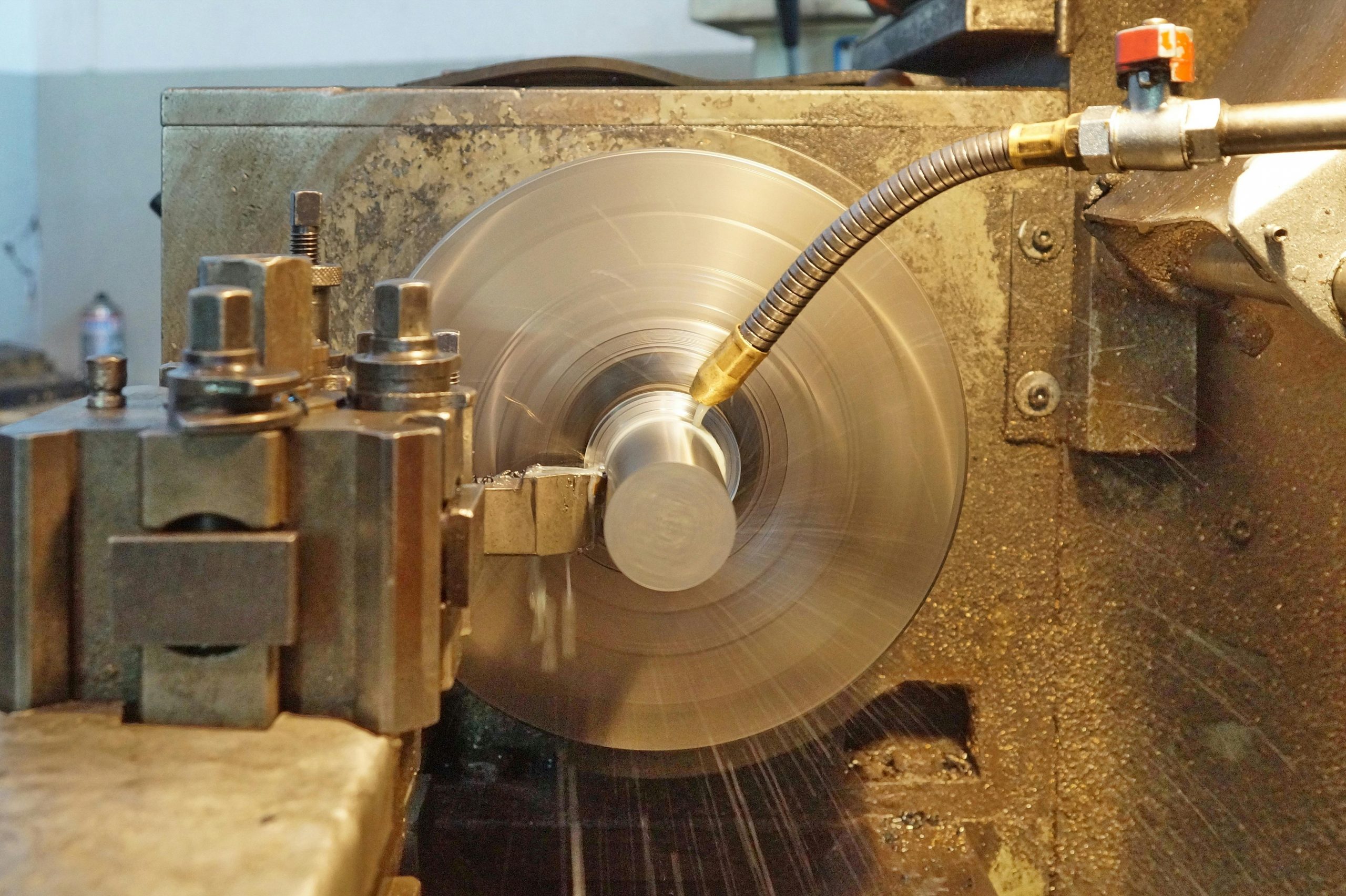
My first task was simple on paper: filing metal pieces. Taking a raw component and shaping it to the exact length and width. Over and over again. The same movement, the same focus, the same resistance in your arms.
I think that first piece had around twenty components. And I worked on them for two months.
Two months.
At the time, it felt endless. But today, I understand what it really was. It wasn’t about the metal. It was about patience. About discipline. About learning to stay focused even when nothing is exciting.
And then came the cube.
They told me to file a perfect cube. Sounds simple. But it wasn’t. Every angle had to be exact. Ninety degrees. Every side the same length. No machine. Just your hands, your eyes, and your concentration.
That job broke many people.
Most apprentices quit in the first three months. I understood why. It wasn’t physically impossible—it was mentally exhausting. You had to give 100% attention all the time. One small mistake, and the whole piece was wrong.
But I stayed.
At that time, I didn’t think in big words like “resilience.” I just did the work. But now I see it differently. The company was testing you. Not your talent—your mindset.
Can you continue when it’s boring?
Can you focus when nothing is exciting?
Can you finish something that feels pointless in the moment?
That’s what they wanted to know.
And it didn’t stop there.
Every evening, after the real work was done, I had to clean. Not just my workplace—the whole factory. My best friend was a broom. One hour, every day, sweeping the floor.
And my boss… he saw everything.
He was a perfectionist. If I missed even a small spot, he would find it. Every time. “Alex, you forgot this place.” And then I had to do it again.
At that time, it was frustrating. I thought he was too strict. Too focused on small things.
Now I see it differently.
He was teaching me that details matter. That “good enough” is not enough. That if you do something, you do it properly.
But not everything was serious.
There was also the other side—the people.
I was the young one, the new one. And of course, I became the target of jokes. One time, an older apprentice told me to use a special paste on my file. He said it would make the work easier.
I believed him.
After I applied it, my tool was basically destroyed. I couldn’t work anymore. And everyone was laughing.
In that moment, I felt stupid. But I also learned something: not everything people tell you is true. And sometimes, you have to learn the hard way.
Later, when I was one of the older apprentices, I did the same.
We built a “special broom” with a cable and told a new guy it was an ultrasonic device. If it made a sound, he had to report it to the boss immediately.
Of course, I stood behind him, made a noise with my phone, and he ran to the boss in panic.
Even the boss laughed.
It sounds childish, maybe. But these moments created connection. You were not just working—you were part of something.
Still, not all relationships were easy.
There was one colleague who trained me on a machine. Very strict. For him, everything I did was wrong. Every mistake was pointed out. Every detail criticized.
At that time, I thought he just wanted to annoy me. I couldn’t see anything else.
Now, I understand it differently.
He wanted to teach me properly. He wanted to make sure I didn’t develop bad habits. His way was hard, but his intention was not negative.
That’s something I only understood years later.
But the most important lessons didn’t come from instructions. They came from situations.
I remember when I started working with new machines. Faster, more efficient. I could produce a piece in one day that used to take a week.
That sounds like success.
But it created a problem.
After my process, the piece went to an older colleague. He had to finish it by hand. And because I was faster, he had more pressure.
He didn’t like that.
He started going to the boss, saying my work was not good. He made things difficult for me. Every day, small tensions.
That was the first time I really understood something about people.
It’s not always about right or wrong. Sometimes it’s about feeling. About pressure. About fear.
And leadership matters.
My boss only saw it when I decided to leave. He asked me why. I told him. Then he said, “I didn’t know.”
Maybe he should have seen it earlier.
That moment stayed with me.
Because it showed me how important it is to pay attention. Not just to results—but to people.
And then there were the moments that felt… different.
The first time someone trusted me with a real task.
Not just training. Not just small jobs. A real responsibility.
It didn’t come all at once. It grew step by step. Small tasks first, then bigger ones. Until one day, I had something important.
I remember one situation very clearly.
I had to finish a large workpiece in one day. It had to go to another company the next morning. No delay possible.
I started at 7:30 in the morning.
I finished at 11:30 at night.
Long day. Very long day.
But I finished it.
And the next morning, I called my boss and said, “The piece is done. Can I take a day off?”
He said yes.
That felt good.
Not just because of the free day. But because I knew: I delivered. I was reliable. They could trust me.
That feeling stays with you.
And then, of course, there was the first salary.
€450.
At that moment, I thought, “Now I’m rich. I can buy everything.”
Two weeks later, my account was empty.
Reality teaches fast.
Later, when I earned €1,500, I had the same feeling again. And the same realization.
But that’s also part of growing up. Understanding value. Responsibility. Managing your life.
When I look back now, after all these years, I don’t think about the machines first. Or the technical skills.
I think about the mindset.
Showing up every day.
Doing the work properly.
Paying attention to details.
Understanding people.
Staying calm when things are difficult.
And one thing more.
You have to enjoy what you do.
Because if you don’t, every day feels heavy. But if you do—even hard work feels different. It becomes part of your life, not something you want to escape from.
If I could speak to my younger self on that first day, I wouldn’t give him a big speech.
I would just say:
“Give your best. Every day. Even when it’s boring. Even when it’s hard. Especially then.”
Because in the moment, it doesn’t feel important.
But later, you realize—it was shaping everything.