When I Think About My Heroes
When people ask me, “Ralf, who inspired you in your life?”, I always have the same problem.
I do not have one big hero from a movie or from history.
My heroes are normal people.
They stand next to me, drink coffee with me, work with me, make stupid jokes with me.
They smell of engine oil, wood dust, hospital disinfectant, and sometimes of good barbecue.
And many times, when I tell these stories, I sit at the kitchen table with a coffee in my hand.
That is my favourite place for thinking.
My Father – The Carport That Will Outlive Me
The first person who inspired me is my father.
He worked for 40 years in a shipyard in Bremen, as a kind of foreman, a “Meister” for machines and ships.
When I was 18, I bought my first car, but I had no garage.
Just a young guy, a car, and German rain. Not a perfect combination.
One day my father said,
“We have an old ship with big wooden boards in the bottom.
They will throw it away.
We take the wood.”
So we took this ship wood out with a truck, brought it to the garden, and then started our project.
For two years we worked on this wood.
First one side, then the other side.
Always painting, painting, painting with this thick wood paint.
In summer, in winter, after work, on weekends.
Sometimes I was tired and thought, “Why so much? It’s only a carport.”
But for my father, it was never “only”.
After two years, the wood was ready and we built the carport.
Strong, heavy, beautiful.
My father also made metal feet for the wooden posts, so the wood did not stand in the wet ground.
He thought of everything.
This carport is still standing today in Bremen.
The wood still looks like the first day.
No joke. It’s over 40 years old and looks better than some people after a long weekend.
My mother used it later for drying clothes.
For me it is more than a carport.
It is a monument to my father’s way of thinking:
Don’t throw away good material.
Use your hands.
Take time.
Make something that lives longer than you.
When I think of him, I always see this carport and I feel proud and small at the same time.
My Father – And the Alfa Romeo Heart Surgery
There is a second story with my father and a car.
As a young man, I had an Alfa Romeo with four cylinders and four carburettors.
A crazy thing.
Only 1.3 litres, but around 95 horsepower, and it felt like a GTI killer.
My friends had small VW Golfs with 1.1 litre engines and 45 horsepower.
Nice cars, but mine was the wild one.
One day we drove on the A27 from Bremen to Cuxhaven and back.
No traffic, just young guys, loud engines, and stupid ideas.
Then suddenly: BOOM.
My Alfa died.
I was a car electrician at that time, not a mechanic.
I could do wiring, lights, electronics — but an engine in pieces? No.
My father said, “No problem. We take the engine out and we look.”
So we pulled the engine out of the car and took it completely apart.
Every screw, every valve, every small piece on the workbench.
We found the problem:
One valve was so hot that the metal melted.
It looked ugly, like a bad tooth.
My father did not say, “Forget it, buy another car.”
He said, “We go to the Alfa dealer, we buy spare parts, we put it together again.”
I was not sure.
He was sure.
We bought the parts for under 100 D-Mark.
Then we built the engine again, step by step, cleaned everything, checked everything.
Water in, oil in, cables on, ignition ready.
I sat in the car, put the key in the ignition and turned it.
The engine started.
Fantastic.
For me it was magic.
Later, when my friends had problems with their small Golf engines, I could help them.
We took the cylinder head off, repaired it, sealed it again, and the car lived another day.
From my father I learned:
First, don’t panic.
Second, open it, look at the problem.
Third, fix it, and don’t throw everything away.
This is true for cars, for houses, and sometimes also for life.
Herr Jansen – Clean Tools, Clean Hands, Clean Mind
The next man who inspired me was my trainer during my apprenticeship as a car electrician.
His name was Mr. Jansen.
We finished work every day at 17:00.
Before we could go home, he always came and asked:
“Have you cleaned your tools?
Have you checked everything?
Are your hands clean?”
We always said, “Yes, yes, yes.”
You know, young guys. We wanted to go home.
One evening he left the workshop, and we were happy.
We started to wash our hands.
Then suddenly we heard a big noise in the garage:
BANG, BANG, BANG.
He shouted, “Come here!”
We ran to the garage.
Our tool trolleys were turned over, all drawers open, tools all over the floor.
He had checked them and saw that we lied.
So now we had extra work.
We had to clean every tool, check every one, and put it back in the correct trolley.
Each colleague had his own colour mark on the tools: green, red, yellow.
Everything had to go back to the right place.
It took us two extra hours.
We finished at 19:00, tired, dirty, and very quiet.
But we never lied again about the tools.
At the end of the day we also had to show him our hands.
No black oil, no dirty fingers.
He always said,
“You are car electricians, not mechanics.
If customers see your hands full of oil when you go to the supermarket, that is not our style.”
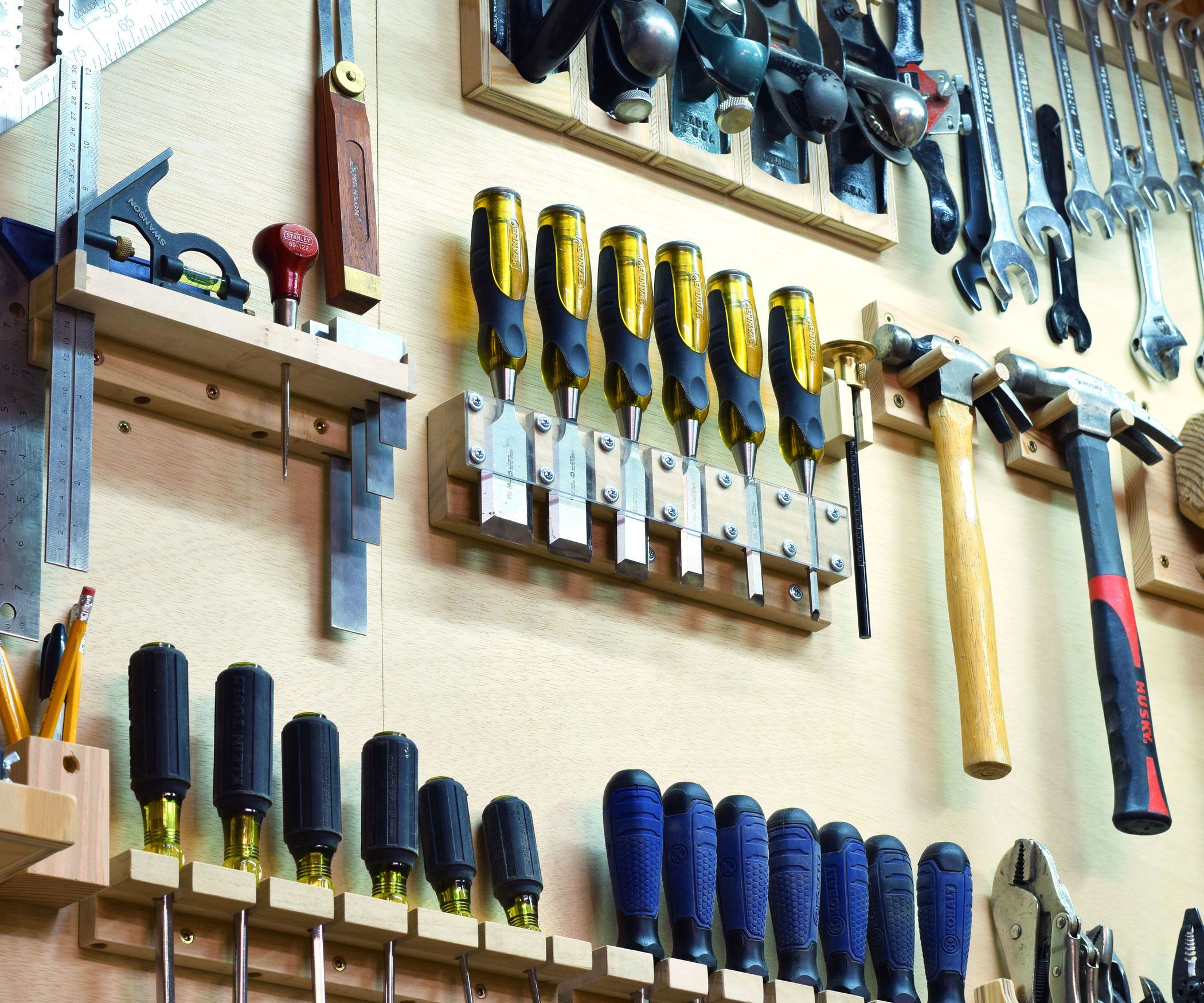
Today, my own tools are perfectly clean.
You can eat from my tool trolley.
This comes directly from him.
He was not perfect.
Once a month he came to work drunk and slept in his car.
Today this would be a big problem with unions and everything.
But even with his mistakes, the discipline and pride he taught me were gold for my life.
From him I learned:
Don’t say something is done when it is not done.
Respect your tools.
Respect your job.
Respect yourself.
The Army – Sardinia, Slow Planes, Fast Friendships
I spent twelve years in the German Air Force, working on planes.
People think it is always stress and drama.
For us it was often very organised and calm, especially with our slow-flying planes and slow-flying people.
We had a nice rhythm:
Six weeks at home at the air base in Germany,
three weeks in Sardinia for manoeuvres.
If you count all these blocks, in total I spent about one year in Sardinia.
For me, Sardinia was sunshine in my heart:
Blue sea, strong wind, smell of salt and kerosene, Italian food, and long evenings with friends.
Sometimes I think Europe is like one big kitchen with many cooks — and Sardinia is one of the places where the food and the laughter are the best.
One day I saw a proud man standing with his horse.
I took a photo, printed it, and brought it to him.
He was so happy that he invited me in.
We drank and drank and drank … something homemade, strong like a rocket.
The next day I was fine, so maybe it was good quality.
From the army I also learned something that is bigger than planes:
solidarity and loyalty.
When you work in difficult situations, you must trust the man next to you.
This feeling stayed with me my whole life.
Lothar – “I Will Fight This”
One of my closest friends from the army is Lothar.
In 1984, he told me,
“Ralf, I have cancer. I must go to the NATO hospital in Hamburg.”
The doctors said he would not live long.
For us, it was a shock.
We were young.
We were soldiers.
We felt strong and suddenly death was sitting at our table.
Many friends from Bremerhaven drove to Hamburg to visit him.
Four weeks later we came again.
We went into his room — and the bed was empty.
For a moment we thought, “He is gone.”
Then a nurse came and said,
“No, he is helping. He is pushing other patients with their beds from room to room.
He is carrying meals. He is working with us.”
He had no hair, a mask on his face, and blood problems — but he was in the corridor, helping.
He told us,
“I will go out of here.
I will beat this cancer.
I will live.”
Today he is 61, I am 62, and he is cancer-free.
He became a professional soldier, could have retired at 53, but he said, “No, I like it here, I work.”
Now he works even longer, and the army has a problem with that, not him.
From Lothar I learned:
The body can be weak, but the will can be strong.
You can fight even when the experts say it is over.
And sometimes, helping others is the best medicine for yourself.
Thomas – Love of Life on Four Wheels
Another hero in my life is Thomas, also from my army days.
He has a serious illness, MS, and life is not easy for him.
But when you visit his family, you do not feel a heavy, sad atmosphere.
You feel life.
He jokes.
He laughs.
He talks about old times, funny stories, stupid things we did as young soldiers.
Yes, sometimes we talk about death too — but mostly about life.
He has a wonderful wife and a son, Nico, who is an electronics master.
Now Nico has a girlfriend and together they are like a good little team.
When I see them, I think, “This is what a family should look like — fighting together, laughing together, moving forward together.”
We have many memories.
One Sunday, long ago, my first wife and I drove from Cuxhaven, Thomas and his wife drove from Bremerhaven, and we met at the beach.
We built a small camp in the sand, I made tuna salad for bread, they brought coffee and fresh bread.
The sun was shining, and life was simple and perfect.
Just four people, some food, some jokes, sea wind, and no smartphones.
From Thomas and his family I learned:
You can have big problems and still create a warm, bright home.
Illness can touch the body, but it does not have to kill the love of life.
Solidarity – The Invisible Rope Between Us
When I think about Lothar, about Thomas, about my father, about Mr. Jansen, I see one big line between them all: solidarity.
In the army I felt it very strong.
You stand side by side.
If someone falls, you try to catch him.
If someone needs help, you do not think, “What about me?”
You simply help.
Today, sometimes, I feel we are more individual, more egoistic.
Everyone looks at their own small screen and their own small problem.
But when I meet my old friends, this old army feeling is still there.
We are still ready to help each other, even after 40 years.
This loyalty is, for me, one of the biggest gifts in my life.
And Me? Inspiration Goes Both Ways
Frank once said to me that I am also an inspiration.
Because of my barbecue stories, my coffee rituals, my noisy Alfa Romeo memories, my discipline with tools, and my sunshine attitude.
To be honest, it is a bit strange for me.
I don’t feel like a hero.
I am just Ralf.
I wake up at 5:20 to make coffee for my wife.
On weekends we drink our first coffee in bed — no breakfast, no food, just coffee and quiet together.
For me, this is happiness.
I like order, clean tools, machines that last, good conversations, and small moments that feel big when you remember them later.
I like to fix things instead of throwing them away — cars, wood, sometimes moods.
Maybe this is the real secret:
We all inspire each other all the time, with small things.
A carport that never dies.
A repaired Alfa engine.
A toolbox that shines.
A soldier who refuses to give up.
A man with MS who still laughs louder than anyone at the table.
If my stories can give someone a little courage, or a little smile, or a small push to repair something in their life instead of throwing it away — then I am happy.
And now, I think, it is time for another coffee.