Turning Down the Vacuum Cleaner
How a teenager is learning to “reclaim her attention in a distracted world”. Being present.
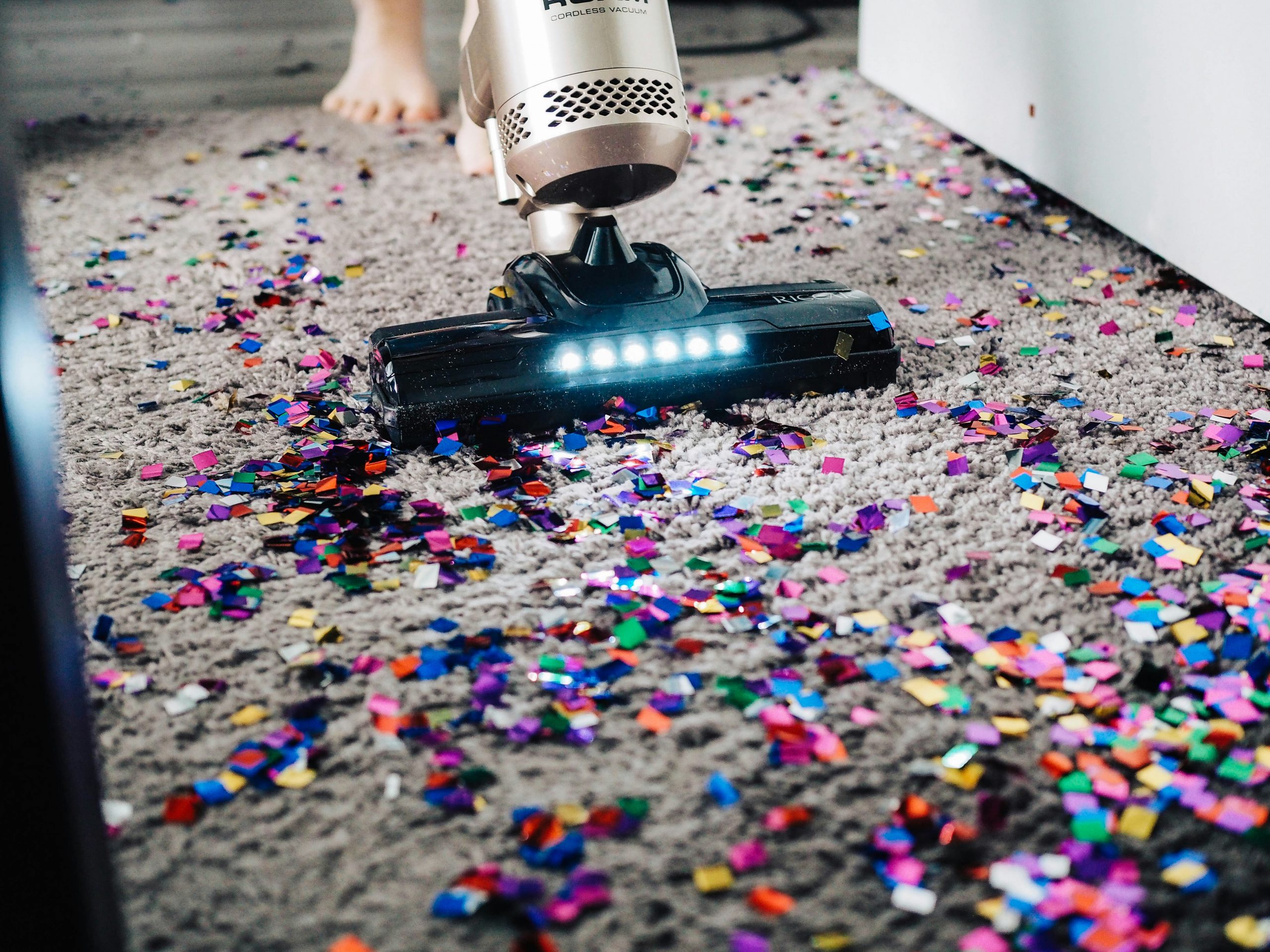
Sarah doesn’t describe distraction as a notification or a screen.
She describes it as a vacuum cleaner.
“It’s loud,” she says. “And when it’s on, you can’t think about anything else.”
Sarah is a student navigating school, friendships, illness, homework, and—like most people her age—a phone that never seems to sleep. In a world competing aggressively for attention, she’s learning something quietly radical: focus is a choice.
A World Full of Noise
When asked what a distracted world looks like, Sarah doesn’t hesitate. She imagines a city where everyone walks with their heads tilted down, eyes glued to glowing screens.
“All the people are black and white,” she explains. “And there’s just one person in color.”
That person, she decides, is attention—rare, visible, and strangely alone.
Distraction, Sarah learns, isn’t only about phones. It’s also physical illness, noisy classrooms, friends sitting too close, thoughts about future homework, or even the weather outside. A sunny day can be just as disruptive as a buzzing notification.
“When it’s raining, I work better,” she admits. “When it’s sunny, I want to go to the pool.”
The Attention Economy (And Why Sarah Is Going Broke)
In today’s attention economy, everything is designed to pull focus away—from advertisements to apps to endless scrolling. Attention becomes currency, and Sarah is honest about her spending habits.
“If attention was money,” she says, laughing, “I would be very poor. Living on the street.”
She notices how quickly her mental energy disappears when she multitasks or overthinks. At night, her thoughts pile up instead of resting.
“It’s very tiring,” she says. “I just say to myself, ‘Sarah, please. Just sleep.’”
Fixing the Leaks in the Focus Reservoir
Fruitloop, her tutor, introduces a metaphor that sticks: the focus reservoir. Every distraction is a leak. Every moment of intentional focus helps refill it.
Sarah quickly identifies her biggest leaks:
- Thinking about many things at the same time
- Sitting next to friends in class
- A messy workspace
- Her phone being too close (emotionally and physically)
Her solutions are practical, not perfect:
- The Pomodoro method (25 minutes of work, 5 minutes of rest)
- Putting her phone far away—“like it’s in jail”
- Sitting alone in class, even if it feels a little sad
- Keeping her desk clean because “mess is also distraction”
Focus Zones and Boundaries
Sarah learns that focus isn’t about forcing herself to concentrate harder—it’s about protecting the conditions that make focus possible.
A focus zone, for her, means:
- Being alone
- No phone
- A clean space
- Quiet weather
- Fewer interruptions from people, even family
Boundaries, she realizes, are not rude. They’re necessary.
From Vacuum Cleaners to Lightbulbs
When asked to describe focus as a physical object, Sarah chooses a lightbulb.
“When it’s on, I understand,” she says. “When it’s off… I’m just there.”
Distraction, meanwhile, remains the vacuum cleaner—loud, invasive, and impossible to ignore.
Focus even has a scent, according to Sarah: lemon. Clean. Fresh. Clear.
Choosing Where the Mind Looks
What Sarah learns isn’t how to eliminate distraction completely. That would be impossible. Instead, she learns how to choose.
“Not everything deserves my attention,” she says. “Especially TikTok.”
Reclaiming attention doesn’t mean being perfect. It means noticing where focus goes, gently pulling it back, and trying again tomorrow.
And sometimes, it means simply being proud.
“I’m proud of me,” Sarah says.
She should be.
In a world designed to steal attention, choosing where your mind looks is an act of quiet power—and Sarah is just getting started.