Too Much Chocolate, Not Enough Movement, and Everything In Between
She remembers the journey first as a feeling in her body, not as a sequence of events. Sitting still for too long, the weight of waiting, that slight restlessness that comes when nothing is moving but time.
It had started early, somewhere between one train and the next, crossing through Germany toward Belgium. At first it was simple enough — just connections, platforms, watching the clock. And then everything slowed down without warning. In Brussels, they didn’t let anyone leave the train. There had been a bomb alarm in the underground. Three pieces of luggage, someone said. One of them with a phone and cables. Suspicious enough to stop everything.
So she sat. Three hours, maybe more. Not doing anything, just waiting, surrounded by other people doing the same. The kind of waiting where you don’t really know what you’re waiting for. By the time she reached the hotel it was already late, around ten at night, and the day felt longer than it should have been for such a short distance .
What stayed with her wasn’t fear exactly, just a quiet discomfort. The sense of being held in place.
Meeting her colleagues the next day felt like stepping into something entirely different. Faces she had only known through screens suddenly became real, close, speaking directly to her. That part made her nervous. Standing in front of people, speaking in English, trying to present herself — it never felt natural to her. She could feel it in her chest, that slight tightening, the awareness of every word.
But it passed. Not perfectly, not comfortably, but it worked.
There were training sessions too. Exercises where she had to speak again, share ideas, give opinions. She did it because it was expected, because everyone else was doing the same. And then, in the evening, there was dinner, voices softer, the tension easing a little with food and conversation.
The next day felt lighter. Walking through the production spaces, talking to people, having time to observe rather than perform. And then the chocolate museum.
She remembers that part almost with a kind of quiet amusement. The way everything was explained so simply, from the cacao tree to the finished product. The small devices they carried, each in their own language, listening as they moved from one section to the next. It was easy to follow, almost playful.
And then the tasting.
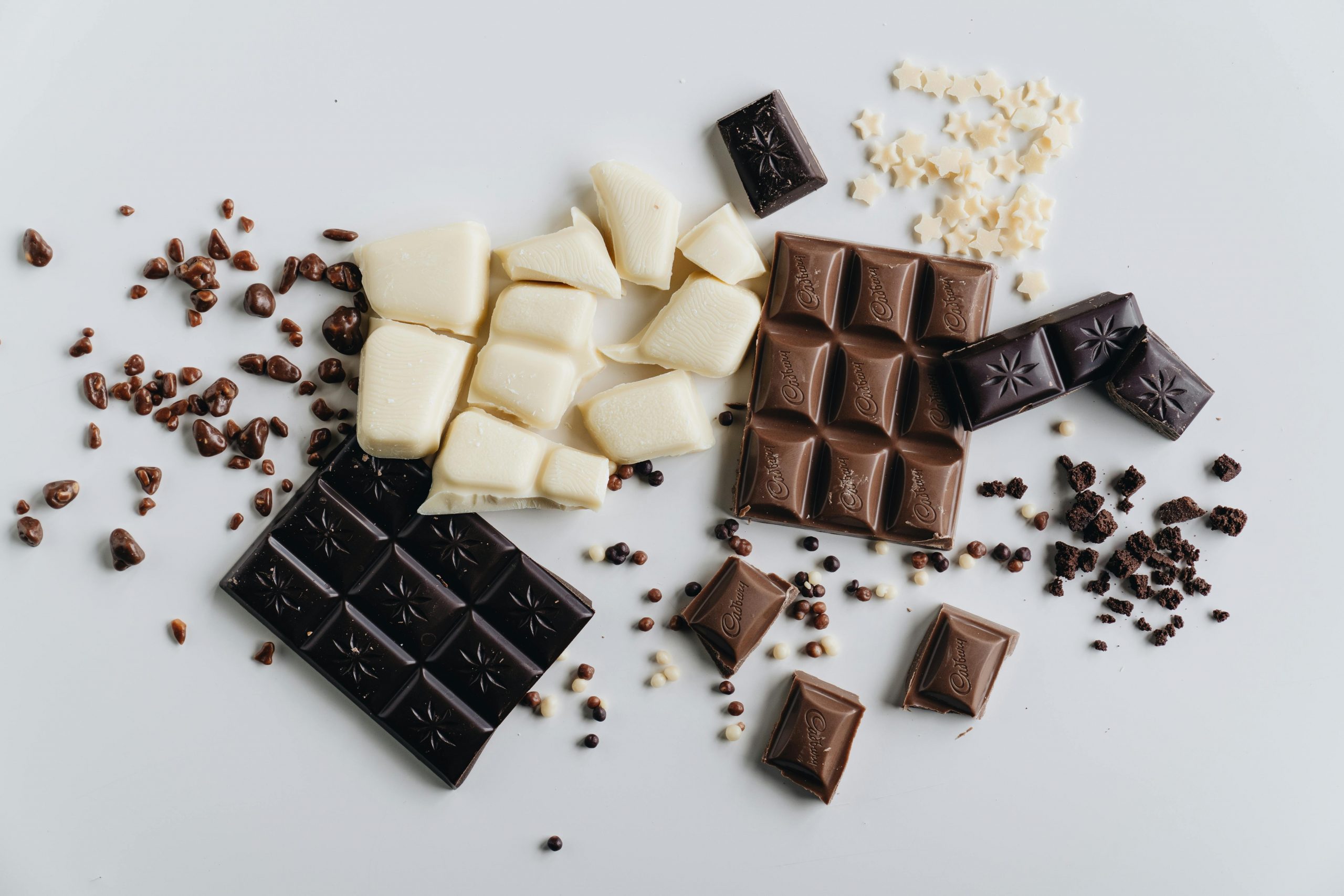
She tried everything — from the soft, sweet white chocolate to the darker, heavier kinds. Too many, probably. She went through them more than once, almost without thinking, just because they were there. By the end of the day, even the meals had chocolate in them — in the starter, in the main dish. It became a bit too much, but she kept eating anyway.
She always does that. She enjoys it in the moment, and only later, quietly, she regrets it a little .
There was something nice about making the chocolates herself, shaping them with her hands, knowing she would take them home. It felt simple, almost childlike.
Still, her body noticed everything. The sitting, especially. Too many hours without moving. By the time she got back, she needed to run, just to feel herself again. Not far, not fast — just enough to undo the stillness.
After that, her thoughts shifted forward, to the next trip already waiting. Egypt. The idea of it felt different. Not the same kind of structured, planned days. More uncertainty. There were small concerns — fuel shortages, the possibility of not being able to return on time. Practical worries, not dramatic ones. She found herself thinking about backup plans, about whether she should take her laptop, just in case.
But at the same time, she knew she shouldn’t. A holiday should be a holiday.
There is always that balance in her life — between doing what is necessary and allowing herself to rest. Between planning and letting things be.
What stayed with her most from that period wasn’t just the travel itself, but the contrast. Moving between countries, languages, ways of living. Talking to someone from South Africa about how many languages exist there, how English becomes the common ground between people who otherwise wouldn’t understand each other. Hearing about histories that feel distant, yet still present in small ways.
She didn’t try to analyse it. She just listened, noticing how different things could be, and how normal they felt to the people living inside them.
Work, in its own way, had become something similar. A network of places and voices — Germany, France, Belgium, the UK — all connected through emails, calls, small daily exchanges. That part she genuinely liked. The feeling of being in contact with many places at once, without moving.
Even the small mistakes stayed with her. Sending a personal document to the wrong person once, feeling that sudden rush of panic, trying to recall the message too late. It embarrassed her, but also taught her something practical. Now she knows how to react faster. It becomes just another small memory, not something to hold onto for too long.
And then everything settles again into something familiar. Thoughts of Easter. Family. Food.
She pictures the table already — too much food, always too much. The long time spent before the meal even begins, the aperitif stretching on while someone quietly complains about being hungry. Everyone bringing something, everyone contributing in their own way. Cooking together, moving around each other in the kitchen.
She doesn’t overstate it. It’s just nice.
There will be laughter, small conversations, children somewhere in the background, and the quiet rhythm of people who know each other well. Not perfect, not extraordinary. Just shared time.
And maybe that’s what stays with her the most. Not the delays, not the presentations, not even the travel itself — but those small, ordinary moments where nothing needs to be explained.
She doesn’t try to make more of it than that.