
The Things Worth Doing Now.
Between a quiet run through the fields, a busy village and thoughts about the future, Sylvie finds plenty of reasons not to wait for the good things in life.
As told by Sylvie, France.
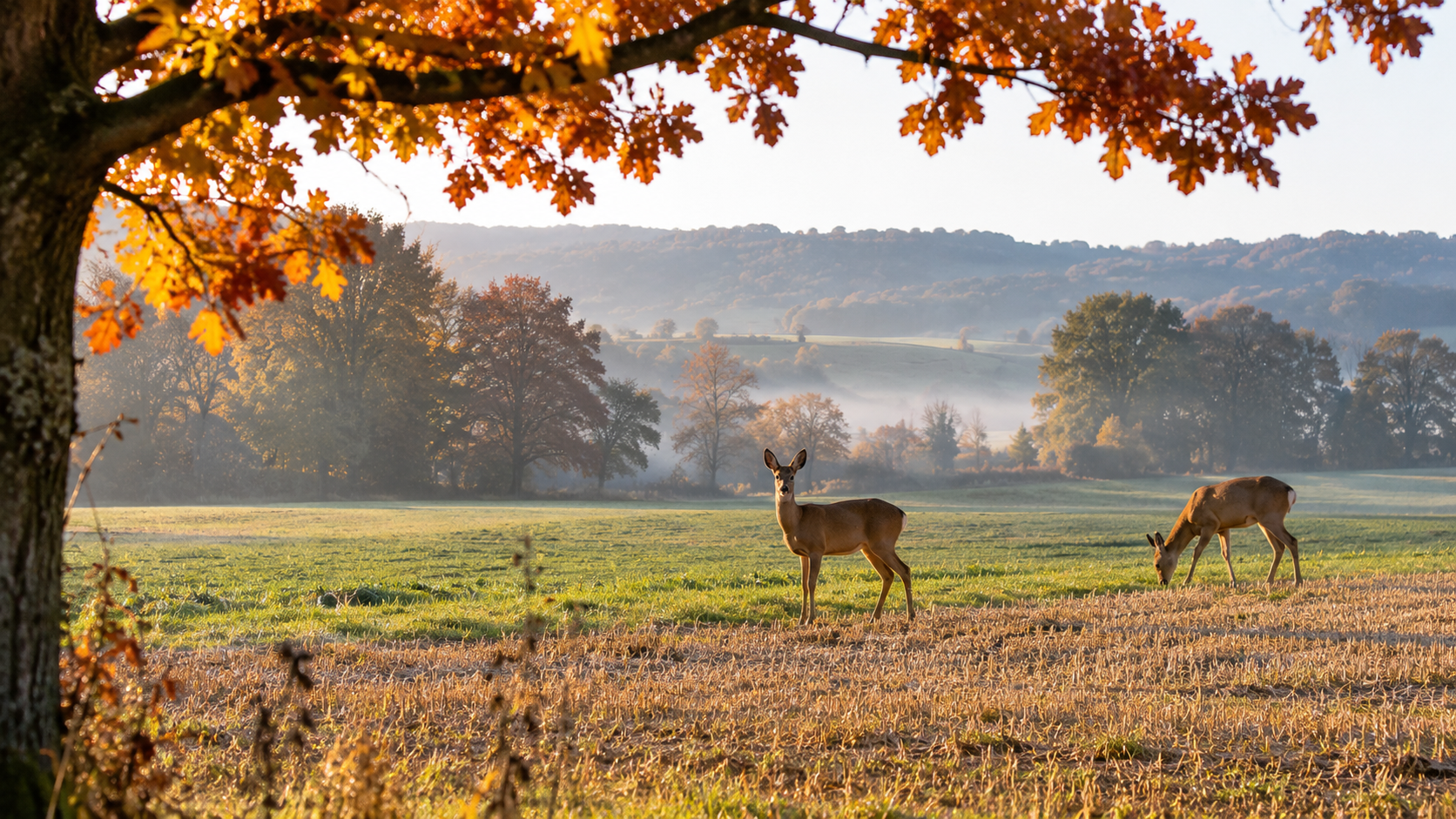
On a Sunday morning in November, Sylvie went for an eight-kilometre run through the fields near her home in France. The landscape was open, with gentle hills and clear views across the countryside. The crops had been harvested, leaving the fields almost empty.
It was a lovely place to run, especially at this time of year.
There were deer in the fields, sometimes in large groups and sometimes in smaller ones, searching for food. With the crops gone, Sylvie could see them easily. She had spotted them again during another run after work, even though the weather was rainy and daylight was already disappearing.
Running in the countryside is something she enjoys, although she remains careful when she goes alone. She sometimes listens to music but still looks behind her to make sure nobody is following. She prefers the open fields at this time of year because she can see what is around her.
The run itself does not have to be long. On a rainy evening, even a short distance is worthwhile.
It is also one of the reasons she appreciates running more than tennis during the colder months. Tennis requires another player, an available court and a booking. Her club has only one indoor court, and everyone wants to use it when the weather is bad. Running is simpler. She can choose the time, put on her shoes and go.
For Sylvie, that freedom makes a difference.
A Village That Knows How to Help.
There is another event Sylvie is looking forward to, and this one involves considerably more food than running.
Her village is preparing for its annual fundraising weekend in support of research into cystic fibrosis, a serious inherited condition that affects the lungs and other parts of the body.
The event has become an important part of local life. Over ten years, the small community has raised around €100,000, something Sylvie considers a remarkable achievement for a village of its size.
Many people contribute in different ways. Some organise walks and runs, while others prepare cakes, cookies, soup and sausages to sell. Local businesses and supermarkets donate food, and volunteers give their time to prepare and serve it.
A scientist is also expected to visit the village on Friday evening to explain how the money raised supports research and how treatments have developed. Sylvie plans to attend. She feels it is important to support the people who have made the effort to come and explain their work.
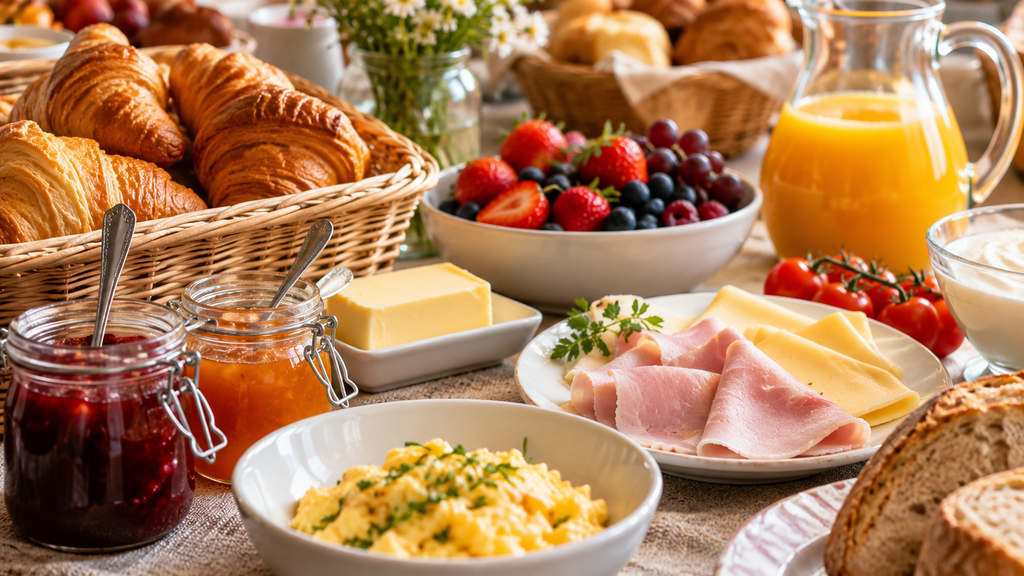
On Sunday, the celebrations include a large breakfast buffet.
Visitors can enjoy a generous selection of sweet and savoury dishes, including eggs, sausages and plenty of other food. Sylvie has booked places for her family, and they will sit together with friends at a large table. One of her daughters will help prepare eggs with another volunteer.
Sylvie knows several of the people organising the event. Friends of hers are involved in leading the association and managing its activities and finances.
In previous years, she sometimes helped by cutting cakes and preparing food for sale. More recently, she has attended simply to enjoy the event and support it by buying breakfast.
She has a practical explanation for that decision. She already gives a great deal of time to other organisations, particularly her tennis club and the village council. There are only so many hours available for volunteering.
This year, she is happy to eat breakfast and let somebody else do the work.
The Work Behind a Small Village.
Sylvie’s involvement in local government has shown her how much effort is needed to keep even a small community running.
The village council has fifteen members. Some have greater responsibilities and receive a modest payment, while others, including Sylvie, serve as volunteers.
There are meetings to attend, committees to support and public events to organise. The council must also deal with financial decisions and the everyday concerns of residents.
Sometimes those concerns are surprisingly ordinary.
Neighbours complain about noise. Someone is unhappy about a dog. Other disagreements arrive at the council, where people expect somebody to find a solution.
Sylvie has learned that there is much more happening behind the scenes than residents might imagine.
“You learn a lot,” she says, explaining that the work has helped her understand the costs, responsibilities and difficulties involved in running a small town.
The council also helps organise public celebrations and seasonal decorations. At Christmas, the village centre has some decorations that were purchased several years ago. They were expensive, so the village continues to reuse them rather than buying new ones.
Individual households decide how much they want to decorate.
Sylvie decorates her own home a little every year, but she is in no hurry to begin. Christmas is still some weeks away.
There is time.
When the Future Becomes Expensive.
Time is also something Sylvie has been thinking about in a different way.
During a conversation about French politics, the subject turned to retirement. France’s financial situation worries her, particularly when political parties make promises about reducing the retirement age.
She questions how such promises could be funded when public finances are already under pressure.
The subject is personal as well as political. Sylvie works under a German employment contract, even though she lives in France, and the different retirement systems can make planning complicated.
She receives pension projections showing what she might receive in the future. The figures are not particularly encouraging.
When inflation and the cost of living are considered, she wonders how people will manage on the amounts they are expected to receive.
She knows that many retired people continue working because their pensions are not enough to support them. Some take smaller jobs after retirement, not because they necessarily want to, but because they need the money.
For Sylvie, saving for the future is important. She believes people should begin putting money aside when they are young, although she also recognises that saving is difficult when there is little money left after everyday expenses.
But there is another side to the question.
She has known people who saved throughout their working lives, planning to travel and enjoy themselves once they retired. Some became ill or died before they had the opportunity to do those things.
She finds that very sad.
“If you can do things, better do it now,” she says.
It is a practical thought rather than a grand declaration. Preparing for retirement matters, but so does having a life before retirement arrives.
A Little More Convenience.
The conversation eventually moved from retirement savings to a much smaller financial question: how to avoid spending too much at the supermarket.
Sylvie uses a grocery collection service in France. She orders what she needs through an app, chooses a collection time and picks everything up without having to walk through the shop.
She finds it very practical, especially during a busy week.
Janita described a similar service in South Africa, where groceries can be delivered directly to the house for a relatively small fee. Sylvie was surprised that someone could order only bread and milk and still have it delivered.
They compared the convenience of the two systems, but Sylvie also noticed another advantage of shopping online.
When people enter a supermarket, they see promotions, special offers and attractive products they had not planned to buy. A person might go in for a few essentials and leave with considerably more.
Shopping from home can be different.
“You probably will be more careful and only buy what you really need,” Sylvie suggested.
It was a small observation, but a useful one. Sometimes convenience is not only about saving time. It can also help people spend a little less.
Of course, that depends on resisting the temptation to add a few unnecessary things to the online basket.

Not Everything Has to Wait.
Sylvie has plenty happening around her. There are family responsibilities, work across different countries, tennis club activities, council meetings and the ordinary arrangements that fill a week.
Some things require careful planning. Others can be enjoyed without much preparation.
A run through the fields does not need another person’s timetable. A village breakfast offers a chance to support a good cause while enjoying food and company. A supermarket collection service can make a busy Friday a little easier.
And somewhere in the middle of these everyday details is Sylvie’s larger thought about retirement.
It makes sense to prepare for the future. It makes sense to save what you can and think about the years ahead. But she has seen what can happen when people leave all their plans for later.
There are things worth doing now, while the opportunity is there.
For Sylvie, that might simply mean going for a run on a Sunday morning, enjoying the open countryside and seeing the deer in the fields.