
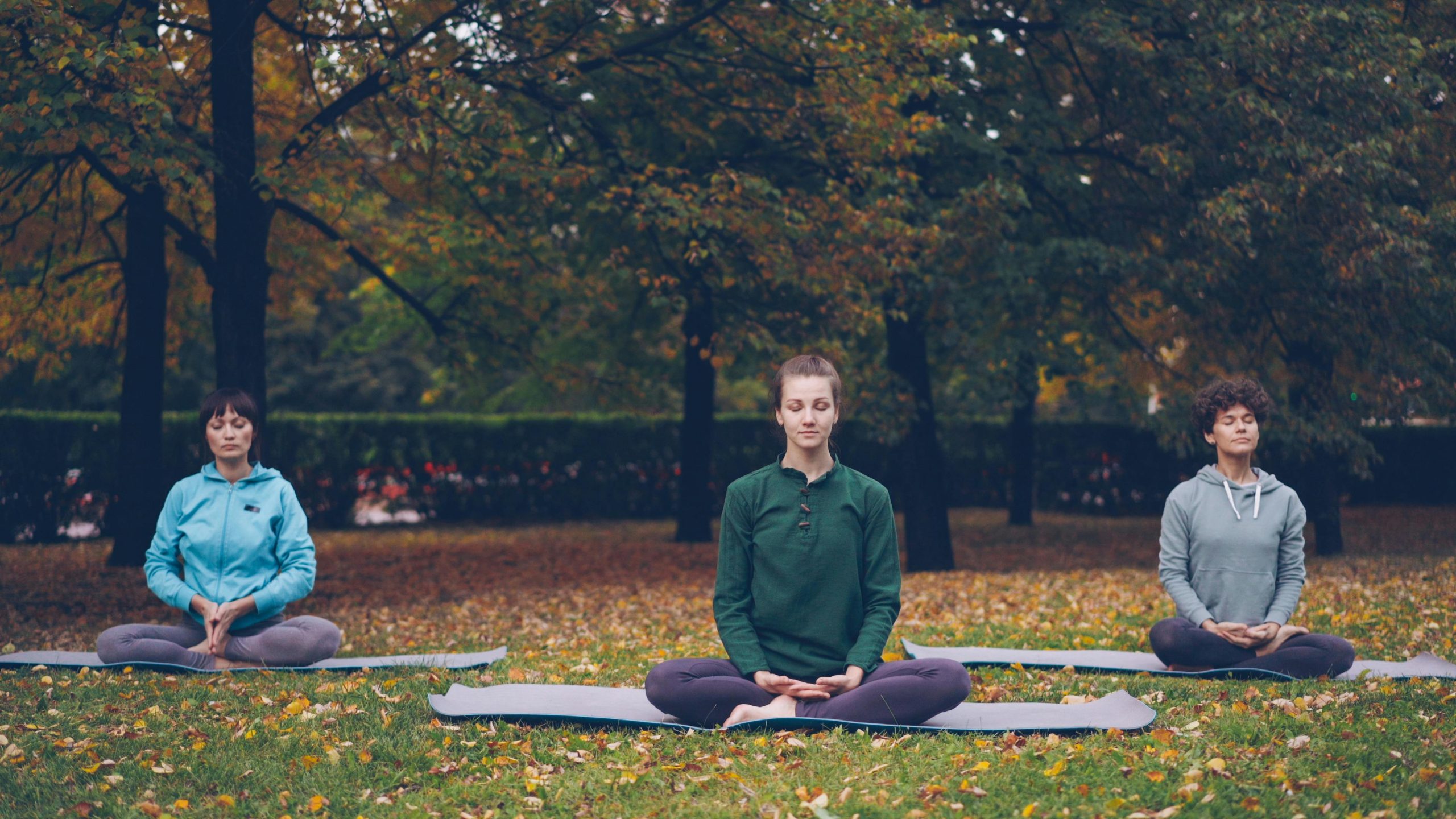
The Architecture of Rest: Coffee, Migraines, and the Quiet Rebellion of Slowing Down
It begins, as many good Lunch meetings do, slightly off-balance.
Frank is talking about invoices. Natalie is planning temple stays and apartment moves across continents. Janita is trying to keep an agenda afloat. And somewhere in between, Rosie arrives—half-smiling, half-suffering, carrying a migraine like an uninvited guest she couldn’t quite leave at home.
And yet, she shows up.
Which, as it turns out, becomes the entire point of the conversation.
Coffee First. Philosophy Later.
If there is a universal language at the Lunch table, it might be coffee.
Not just the drink itself—but the ritual around it. The pause. The permission.
Natalie describes it almost reverently: coffee as a small, accessible doorway into rest. Not dramatic, not scheduled weeks in advance—just a moment to look out the window, speak to someone, or simply be.
Frank, naturally, tries to complicate it (“coffee is not always coffee”), but even he concedes its role as a kind of socially acceptable recharge.
It’s a gentle beginning. No grand declarations. Just a shared understanding that rest doesn’t always arrive in silence—it sometimes comes in a cup.
The Quiet Heroism of Showing Up
Then Rosie speaks.
Or rather, she apologises first—for her face, for her headache, for being there at all.
It’s one of those moments where the group shifts almost imperceptibly. The humour stays, but it softens. Frank calls her “absolutely amazingly incredible,” half joking, half not.
And suddenly, the meeting isn’t just about rest strategies anymore. It becomes something more human:
What does it mean to listen to your body… and still choose connection?
Rosie admits something simple but powerful: being in the meeting makes her feel better.
Not because it’s work. Not because it’s productive.
But because it’s this group.
Walking, Cleaning, Running—And the Art of Ordinary Recovery
When asked about daily “micro-recharges,” the answers are refreshingly unremarkable.
Frank walks. Not heroically—just consistently. Morning and afternoon, step by step, kilometre by kilometre.
Janita runs (when the mud allows and the shoes are not too beautiful to risk). She also cleans—finding unexpected calm in order, in surfaces wiped and rooms reset.
There’s something quietly radical in this.
No one mentions biohacking. No one optimises their circadian rhythm.
Instead, they return to the basics:
- movement
- sunlight
- small rituals
- spaces that feel like sanctuary
Janita describes her “fishbowl” room with curtains and soft colours—a place to retreat, not escape.
It’s less about productivity and more about permission.
Planning Rest (Or, the Dangerous Idea That Rest Is Not a Reward)
Then comes the real question:
Why plan rest at all?
Why not just collapse when tired?
Frank answers in his usual slightly provocative way. In some cultures, he explains, you can fall asleep at your desk and it’s understood—you are resetting. In others, rest is treated like failure.
“You have to plan to be spontaneous,” he says.
Which sounds like a contradiction until you sit with it.
Natalie reframes it beautifully: rest is like drinking water. You don’t wait until dehydration to take a sip—you anticipate the need.
And suddenly, rest is no longer indulgent.
It’s preventative.
Necessary.
Architectural.
The Digital Disappearing Act
Somewhere between philosophy and storytelling, the conversation drifts into technology.
Or more precisely—what happens when it disappears.
A few weeks earlier, Fuitloop’s Wi-Fi was cut off. A small inconvenience, one might think.
Except something unexpected happened.
The house changed.
No video games. More time outside. Shared meals. Even a family series in the evenings—watched together, not separately on glowing screens.
Frank latches onto this immediately.
“Take away something and see what’s left.”
It’s not framed as a moral lesson. No one declares technology the enemy.
But there’s a quiet recognition: sometimes disconnection isn’t loss—it’s revelation.
Passive vs. Active Rest (And Why Your Brain Knows the Difference)
The group draws a gentle line between two types of rest:
- Passive: screens, scrolling, background noise
- Active: nature, meditation, music, silence
Natalie puts it simply: if you spend your day on screens, rest probably shouldn’t look the same.
It’s not about rules. It’s about contrast.
About giving your mind something different to hold.
The Sound of a Low Battery
Then, in true Lunch style, the conversation takes a playful turn.
“If your brain had a low battery warning,” Fruitloop asks, “what would it say?”
Natalie hears meditation sounds.
Fruitloop hears SpongeBob cheerfully shouting at her.
Frank hears his cat, knocking on the door, enforcing her own version of reality.
And Rosie?
She doesn’t describe a sound.
She describes a choice.
To show up. To connect. To feel better because she did.
So What Is the Architecture of Rest?
By the end, no one has built a perfect system.
There is no schedule, no framework, no downloadable template.
Instead, something softer emerges:
Rest is not one thing.
It is:
- a walk you don’t rush
- a coffee you actually taste
- a room that feels like yours
- a conversation that lifts you, even on your worst day
- a moment planned before you collapse
And sometimes, it is the courage to admit you are tired—and still sit at the table anyway.
A Final Thought
Perhaps rest isn’t something we earn after exhaustion.
Perhaps it’s something we design—quietly, imperfectly, in between meetings and migraines and muddy running shoes.
And maybe the real question isn’t when you will rest.
But whether you’ll recognise the moment when your life gently asks you to.