
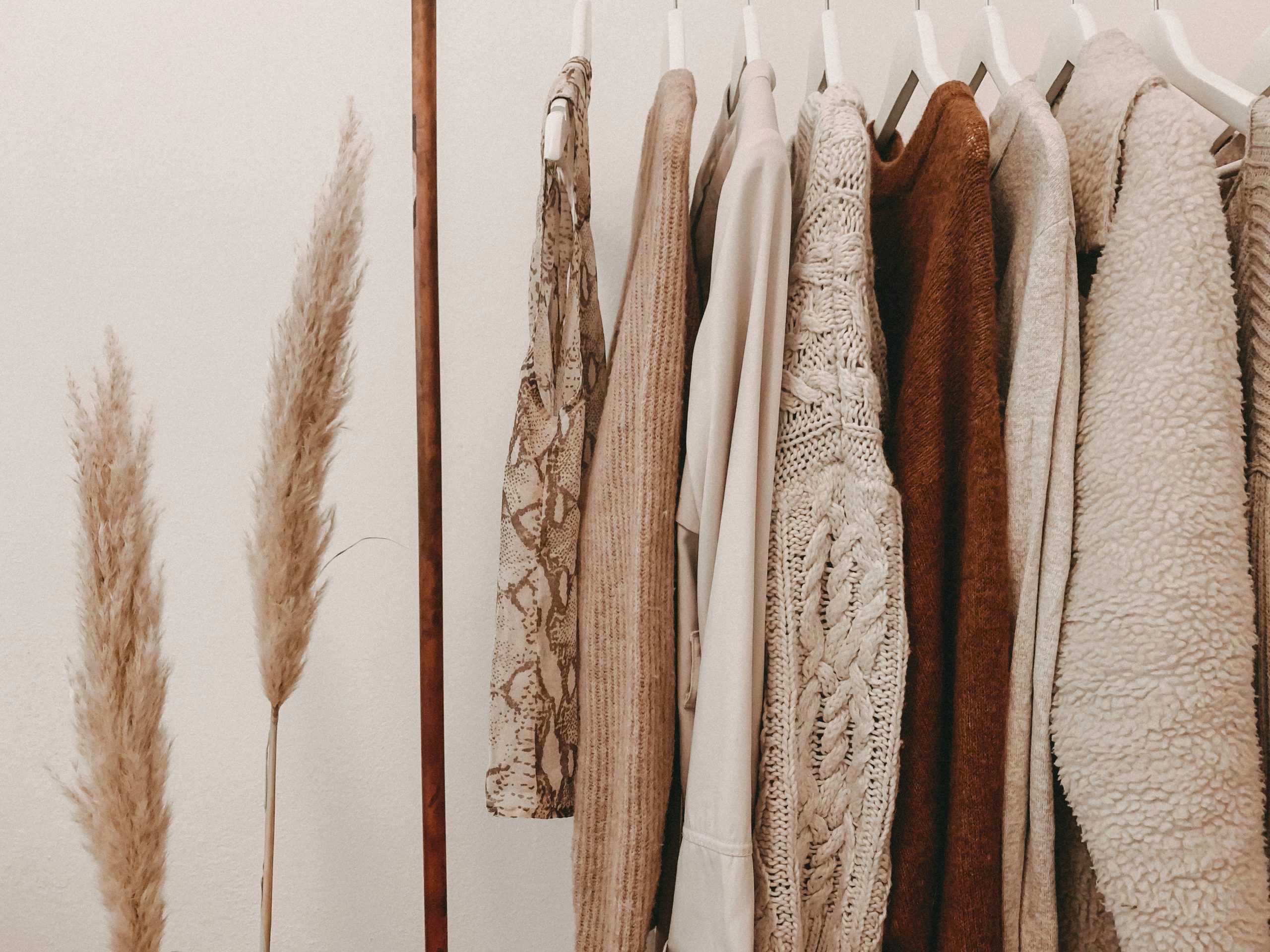
Style and Substance: When Values Get Dressed in the Morning
There’s something quietly intimate about talking about clothes. Not trends or brands, not what’s “in” this season, but the real stuff: why we reach for certain jeans on a Tuesday morning, why a dress can feel like armor—or like a mistake—and how much of our inner life ends up hanging in our closet.
This conversation feels like eavesdropping on two friends who know that fashion is never just fashion. It’s values, life stages, bodies that change, confidence that wobbles and returns, and the slow, honest negotiation between who we are and how we show up.
No stylists. No rules. Just real life—and a lot of black sneakers.
Values First, Outfit Second
The talk begins where all good style conversations should: with values.
Honesty. Politeness. Empathy. Caring—sometimes too much. Carrying other people’s worries in your head until there’s no quiet space left. These aren’t abstract ideas here; they’re lived realities, especially in family life. Being the emotional organizer. The fixer. The one who makes decisions so others don’t have to.
And that weight – mental, emotional – inevitably shapes what we wear.
When you spend your days thinking about everyone else, comfort stops being a luxury. It becomes a necessity.
There’s an unspoken truth running through the conversation: when life is full, clothes need to support you, not demand more from you.
Before asking “Does this look good?” try asking, “Does this reflect how I want to feel today?”
From Dresses to Denim: A Quiet Style Evolution
Once upon a time, dresses were the default. Lots of them. Nearly a hundred, actually. Dresses for every occasion, every mood, every version of self.
Then something shifted.
Working from home. Watching daughters grow into their own styles. Living in a world where comfort suddenly became acceptable—and even chic. Pants crept in. Jeans followed. Loose silhouettes that once looked “not nice” suddenly made sense. And then—almost without noticing—became favorites.
It’s not about giving up femininity or elegance. It’s about redefining them.
Jeans with a good cut. Sneakers that look intentional. A long coat that pulls everything together. The magic isn’t in the individual pieces—it’s in how they align with a life that values ease, movement, and authenticity.
Fashion here isn’t rebellion. It’s adaptation.
Style evolves when your life does. Let it.
Confidence Isn’t Loud—It’s Comfortable
One of the most honest moments comes when talking about clothes that look good but don’t feel good. The dress that’s technically fine but requires constant adjusting. The outfit that gets compliments while quietly stealing your peace.
That’s where values draw the line.
If you’re spending all day pulling fabric down, checking yourself, feeling “off,” something’s wrong—even if everyone else says it’s perfect.
Confidence, in this conversation, isn’t about being seen. It’s about being at ease. About not thinking about your clothes at all because they’re doing their job: letting you live.
This is why sneakers win. Why leggings at home feel right. Why heels come with backup flats tucked discreetly into a bag. Style without self-betrayal.
Dressing “Your Age”… or Your Life?
The idea of “dressing your age” floats in, only to be gently dismantled.
There’s no interest in copying teenage trends wholesale—but no intention of fading into invisibility either. A cropped top might feel wrong, not because of numbers, but because it doesn’t match identity. Meanwhile, jeans from a “young” store? Absolutely fine.
The rule isn’t age. It’s alignment.
Borrowing style inspiration from daughters becomes a kind of shared language—jeans, sneakers, silhouettes—while still honoring personal boundaries. Covered stomachs. Casual chic. Nothing provocative, nothing performative.
It’s not about looking younger.
It’s about looking like yourself, right now.
Black, Always Black (With a Red Lipstick)
If confidence had a color, it would be black.
Black outfits. Black leggings. Black caps. Black sneakers—sometimes with a hint of color, but never too loud. Black is reliable. Grounding. Effortless. It doesn’t ask questions.
Add red lipstick for evenings when confidence needs a little punctuation mark.
Color appears selectively: deep blue denim, a specific green, a muted orange. Nothing accidental. Nothing forced.
And torn jeans? No thanks. That chapter has closed.
Fashion here is intentional minimalism—not trendy, not boring, just honest.
Knowing your colors is knowing yourself.
Body Image, Without the Drama
Body image comes up gently, without heaviness. A few kilos gained, a few lost. Illness. Recovery. Jeans that suddenly feel better again.
There’s no obsession—just awareness.
Clothes don’t define worth, but they absolutely affect how we move through the day. A good fit can restore confidence quietly, without speeches or mirrors.
And there’s something refreshing about the honesty: liking food, exercising because of it, accepting the cycle without guilt or drama.
Fashion here isn’t punishment or reward. It’s partnership.
Who Are You Dressing For, Really?
This question lingers beneath everything.
Not colleagues.
Not strangers.
Not even family—though their opinions are heard, sometimes loudly.
Ultimately, the answer is simple: yourself.
Yes, there’s awareness. Yes, there’s context. But the motivation is internal. Feeling good. Feeling confident. Feeling like your outer layer matches your inner state.
And when that alignment slips—like at Christmas, choosing “easy” instead of “special”—you notice. Not with shame, but with curiosity.
Why didn’t I try?
What was missing?
What did I need that day?
These moments aren’t failures. They’re signals.
If Style Had a Personality…
It would be cool. Casual. Relaxed.
It would value comfort but still care about details.
It would choose sneakers wisely.
It would plan outfits in advance—and change its mind in the morning.
It would love long coats, polo necks, jumpsuits, and summer dresses waiting patiently for the right mood.
It would be a cat: stylish without effort, elegant without trying, always prioritizing comfort.
And when everything clicks? A pop or electro song would play softly in the background, like a private celebration no one else needs to hear.
The Real Thread Holding It All Together
This isn’t really a conversation about fashion.
It’s about permission.
Permission to change.
Permission to choose comfort.
Permission to let values lead and trends follow.
Permission to dress for the life you’re actually living.
When values and fashion align, getting dressed stops being a performance. It becomes a quiet act of self-respect.
So tomorrow morning, standing in front of the closet, maybe the question isn’t “What should I wear?”
Maybe it’s:
“What do I value today—and how can my clothes support that?”