
Martin and the Perfect Car That Probably Shouldn’t Exist
Dream jobs are usually sold to us as destinations. Clean, structured, achievable with the right mix of ambition and Wi-Fi.
Martin’s dream job doesn’t behave like that.
It wanders. It contradicts itself. It sits on a park bench and refuses to be rushed.
And somehow, it still makes perfect sense.
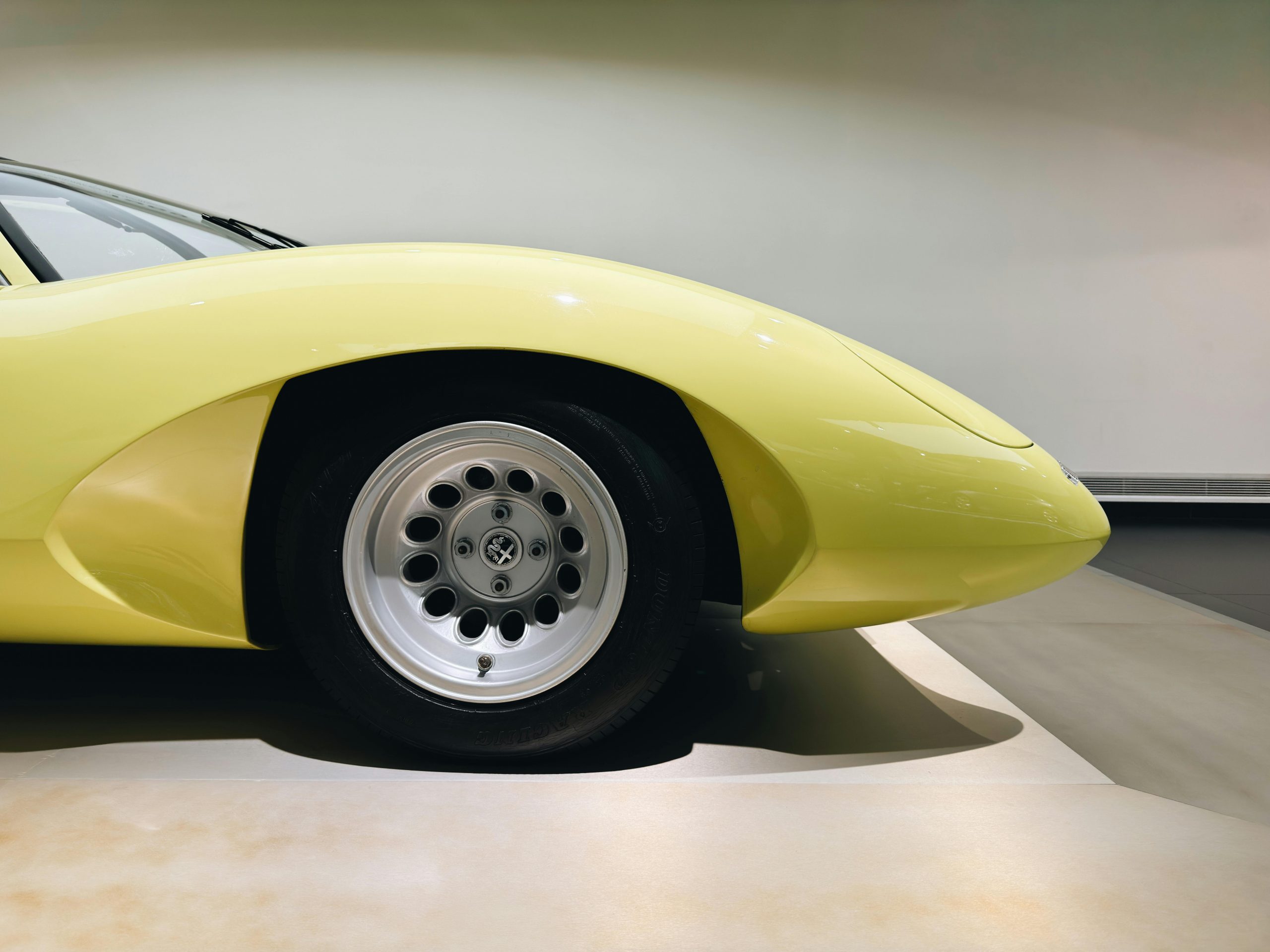
When Martin was younger, he wanted to design cars. Not in the abstract, but properly—sketches, ideas, shapes that felt like they belonged on the road. He was serious enough about it to actually draw them. Serious enough to still remember them.
They exist somewhere, apparently. Hidden. Lost. Possibly for the best.
There’s no dramatic failure in his story. No single moment where the dream collapsed. Just a quiet shift. He left school early. Life adjusted the trajectory. The world didn’t make space for “car designer,” so something else moved in.
But here’s the thing: the dream never left.
It just stopped asking for attention.
Ask Martin what he would do today—if money, training, and reality politely stepped aside—and he doesn’t say “engineer” or “head of design.”
He says he’d become a professional spectator.
Specifically for his favourite band, Garbage.
“A Garbage Collector,” he adds, with the kind of logic that doesn’t need approval.
This is where Pineapple logic kicks in: the dream job is not about status. It’s about proximity to what you love. Even if your role in that world is simply… being there.
Watching. Listening. Absorbing.
Because Martin doesn’t just like music. He likes talking about it.
Breaking it down. Circling it. Sharing opinions that may or may not have been requested.
There’s a version of his life where this becomes a job title. “Critic.” “Writer.” “Voice of a generation,” if you’re feeling generous.
But in Martin’s version, it’s simpler than that.
It’s just something he does anyway.
Now imagine his perfect Tuesday.
Not a rebranded Monday. Not productivity disguised as passion.
A park bench.
A sketchbook.
And cars—his cars—coming to life instantly. No delays, no revisions, no committees. Just perfect designs materialising into the real world, driven by fans who wave as they pass.
It’s important that they wave.
Recognition matters. But only briefly.
Because even in this fantasy, Martin is already bored of the praise from senior management.
Perfection, it turns out, gets repetitive.
That’s the quiet honesty running through his answers: even the dream has friction.
Even the ideal job contains moments you tolerate rather than love.
And maybe that’s the difference between a fantasy and a usable dream—the ability to see both sides and still want it.
In real life, Martin works in software testing.
It’s not a park bench. It’s not instant car creation. But it isn’t empty either.
There are moments—small, precise, easy to miss—where things click. A proof of concept works. A solution holds. A colleague (Manfred, specifically) delivers a “perfekt script,” and Martin is genuinely pleased.
It’s not the dream job.
But it contains fragments of it.
Creativity. Curiosity. A sense that something invisible has just been made visible.
Then there’s his most underused skill.
Martin describes himself as a “born creator of chaos.”
Which sounds like a problem until you realise it’s actually a form of energy. The ability to disrupt, to shift things, to introduce movement where everything has gone a bit too still.
Not everyone appreciates this.
He seems aware of that.
Still, it feels like the kind of trait that belongs in a dream job—even if the current world doesn’t quite know what to do with it.
If Martin could fix one thing in the world, it wouldn’t be abstract.
It would be ugly cars.
Especially the ones with dark tinted rear windows.
This is not a global priority. It’s a personal irritation. Which is exactly why it matters.
Dream jobs aren’t built on what’s important to everyone.
They’re built on what quietly annoys you enough to care.
And when it comes down to it, Martin doesn’t believe you have to love the job itself.
You have to love the life around it.
Because the job, in his world, is just a support structure.
The real work—the important work—is still ahead:
Designing the ultimate perfect car.
So what’s his next step?
Something small. Realistic. Sensible.
He suggests quitting his job entirely. Forcing the dream into existence. Immediately.
It’s not advice. It’s a pressure point.
A reminder that the distance between “someday” and “now” is often just one uncomfortable decision.
Martin hasn’t built his dream job.
Not yet.
But he’s also never fully let it go.
And maybe that’s the most Pineapple thing about it:
The dream doesn’t disappear.
It just waits—slightly amused, slightly impatient—for you to take it seriously.