Looking for Seoul’s Soul
I’ve become quite the armchair traveller lately.
Brida’s modest footprint — stretching across perhaps eight or ten countries — allows me to feel both worldly and environmentally virtuous. I tell myself I’m doing my bit for the planet, staying put while others chase sunsets. Of course, our digital footprints hum away in data centres, each megabyte puffing a little more carbon into the air. We forget that. Clicking is travelling, too — just cheaper and with better coffee.
Until a few years ago, my wife was the one with the passport full of stamps. She’d jet off to distant lands, send back photos of hotel rooms that all looked suspiciously the same, and return with recipes that migrated straight into our cookbook collection. I used to offer advice, drawing on my own travels from another era, until her planning precision — admirable yet maddening — made me retire from the role. Somewhere along the line, I drifted into becoming the anti-traveller.
Travel began to feel crowded. The idea of visiting places everyone else was also discovering felt… uninspiring. Portugal and Spain were over-loved, Japan was overwhelmed, and even Kyoto, as Nathalie once told me, was shoulder-to-shoulder with Christmas pilgrims three winters ago. I remembered Rome — ten years back — and how the queues turned sightseeing into spectator sport. I learned to sit at cafés, sip something local, and watch the world march past. YouTube had better angles anyway.
Maybe this — I thought — was the new kind of travel. Staying still, but connecting deeply.
That’s how this story really began. When Janita joined Brida, it felt right to seal our new partnership with something celebratory. It still does. I suggested champagne at the beach. She countered with the bush. I didn’t see the poetry in it then — now I do. The place wasn’t the point. The gesture was. Two people beginning something uncertain but sincere.
Brida, after all, runs on heart more than budget. Transitioning from a solo act to a duo has been like learning to dance mid-song — exhilarating, a little clumsy, and very real. I mentioned the idea of the champagne drinking trip to my wife, half expecting her usual eyebrow raise.
“Do I carry the champagne alone,” I asked, “or do you come along?”
It’s the kind of question that lives in our marriage. Christmases apart. Compromises negotiated. She countered, “I have all my air miles expiring at the end of the year. South Africa is next year. We always said we’d visit Nathalie in Korea. Let’s use them for that before it is too late.”
And so, the plan that had been postponed three times suddenly took flight — quite literally. The miles were cashed in, the dates fixed, and the reality of departure crept closer. Five days to go.
And yet, I’ve rarely felt so ambivalent about a journey.
Brida occupies my thoughts like an anchor. The project’s shift from “me” to “we” is still bumpy, still becoming. Korea feels far away — not just geographically, but mentally. I half expect to drive my wife to the station, wave her off, and return to the calm of my routine. Only this time, I’ll be on the train too.
Korea, in its quiet way, has already started teaching me. A short, unplanned hospital stay recently reminded me how little we need. Once I’d accepted that I was staying a few days, my greatest concern was the absence of earphones. Food would arrive. Nurses would check. The essentials were taken care of. Within ten minutes, a kind nurse solved my small crisis, and I was at peace. Simplicity, it turns out, travels light.
I think of Janita’s trip to Kruger last October — her planning lists versus her husband’s improvisation and her son’s six-year-old mischief. My wife is the same — she plans because experience demands it. Me? I’ve boiled it down: phone, charger, power bank, earplugs, clothes. What more do we ever really need?
And so, the trip to Korea is shaping itself differently — less checklist, more curiosity. I’ve heard about Seoul for years through Nathalie and Cléa — two generations, two lenses. Their stories overlap like echoes: markets, food, light, laughter. I’ve seen photos; I almost feel I’ve been there already. Almost.
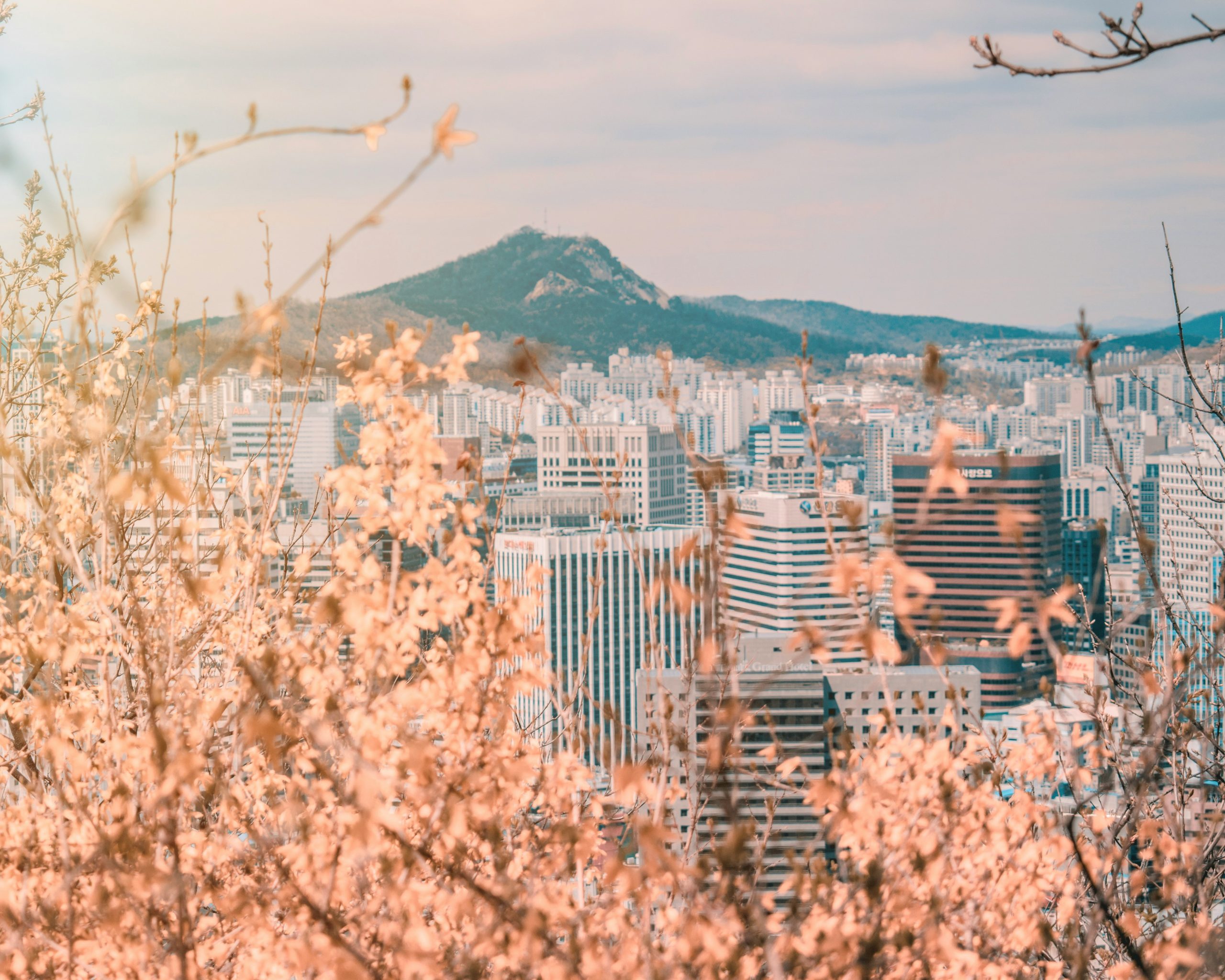
Still, I want to see the seams — the unseen threads that hold the city together. I’m looking, perhaps foolishly, for the soul of Seoul.
The DMZ fascinates me — the physical embodiment of a division I know too well from my own country’s past. But Nathalie’s husband tells me the most poignant parts are now closed to visitors. The tunnels remain, but not the tense blue rooms where soldiers once stood face to face. Maybe that’s fine. I’ve seen division before. I’m after something else.
Markets, yes. Street food, certainly. But most of all, people. I want to listen, not just look. To hear about lives, routines, small joys — the invisible rhythm of a place. English may be rare, but curiosity, I’ve heard, is fluent.
A mutual acquaintance told me recently, “Koreans are curious. They’ll ask where you’re from.”
Perhaps that’s the connection I was seeking all along.
Because the soul of Seoul, I suspect, lives in its people.
And all I hope — in the ten days we’ll wander its streets — is to catch a small, sincere glimpse of it.