Grünkohlwanderung: Where Frost, Friendship, and Pinkel Come Together
When people hear the word Grünkohlwanderung, they often think first about the food. Or maybe about the drinking. But for me it is much more than that. It is walking, it is eating, it is laughing, it is standing in cold wind with red ears and warm hands around a little glass hanging on a string around your neck. It is friendship in winter clothes.
We also say Grünkohl und Pinkel, and already you can hear: this is Northern Germany. This is not something from the south, not Bavaria with Lederhosen. This is wind, harbor, lighthouse, and a small wooden Bollerwagen rolling over wet streets.
On that Saturday we started around 17:00. Not in the morning like serious hikers with sticks and backpacks. No. We are slow walkers. Social walkers. We walk two hours, but not because the distance is long. The distance maybe is 100 meters — but with 25 crossings. And at every crossing: stop. Break. Drink.
In our Bollerwagen — just a simple wooden one, not a professional party version with fridge and sound machine — we had beer, Glühwein, coffee, cacao, tea, and of course small bottles of Jägermeister. For the women there was something sweet with cinnamon, like Franzbranntwein style, and we also had a fine liqueur from Schleswig-Holstein, looks like caramel candy — you can put it in coffee or over ice. Very dangerous. Very tasty.
The glass hangs around your neck with a string. So you are always ready. That is important. Organisation is everything.
When there is no crossing in a park, someone just says, “Here! Crossing!” and we stop anyway. We are creative. Rules are rules — but flexible rules.
We walk slowly. Not military style, not like in my Air Force time. No “left-right-left.” We walk, we talk, we change position. I go to the front, then to the back. My wife walks with one friend near the harbor, talking about Gran Canaria and what to pack in the suitcase. On the way back she talks with another friend about family news. That is the real heart of the Grünkohlwanderung — the talking. You cannot talk like this at a long restaurant table when music is loud and you must shout across plates. Outside, in the wind, you can move, you can switch partners, you can speak about small things and big things.
Normally we are 15 to 22 people. This time we were fewer. One couple was ill, another had some conflict in the group. That happens. But still, it felt complete. These are good friends. When my mother-in-law died, this was the group that sat with us in an Italian restaurant when we got the news. So this is not just drinking friends. This is life friends.
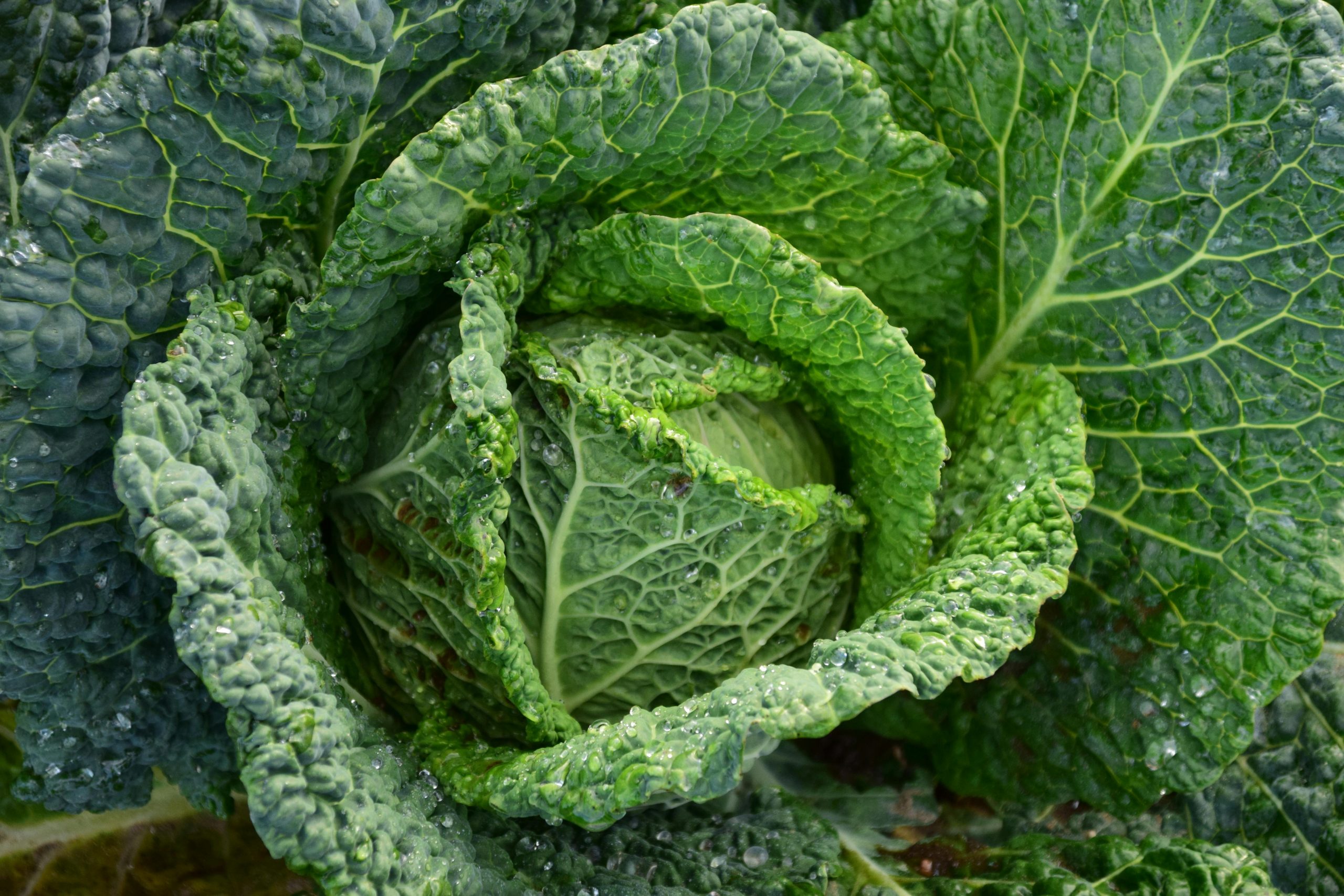
The tradition is old. My parents did it. My grandparents did it. Four generations at least. It is seasonal. You wait until the first frost touches the Grünkohl. The frost changes something inside the leaves — a chemical reaction — and the kale becomes sweeter. Before frost, it is bitter. After frost, it is ready. Like people sometimes.
In our group, the person who eats the most Grünkohl — or sometimes the one who finishes last — becomes the Grünkohlkönig or Grünkohlkönigin. They must organise the next year’s event. Sometimes they wear a big bone on a string like a medal. A trophy for one year. I never won. I am a big man, but there is another one even bigger. And we decided for fairness that women also must have a chance, so sometimes it is about finishing last, not eating most. Democracy in cabbage form.
That day was rainy and windy. Real Northern German weather. We needed warm jackets. Does that make you walk faster? No. It makes you drink a little more carefully and hold your glass tighter.
I had some Caribbean rum from a friend. Smelled like vanilla and orange. Forty percent alcohol — so you must respect it. We do not want to sleep in the harbor.
Around 15:00 I already feel a little hungry. We had breakfast from 12:00 to 13:00, and my stomach works like a clock. But officially the hunger started when Tina said near the lighthouse, “Now we go back. I am hungry.” Suddenly everyone agreed. Very interesting psychology.
At 18:00 we arrived at the restaurant. At 19:00 the food started. Before that, beer. Now here I must say something important: in Lower Saxony we often have the wrong beer. We surrender too quickly to big brands from the west. But that evening — ah! — northern beer. Flensburger, Dithmarscher. Proper beer. I am a loyal man. Beer also.
The Grünkohl was delicious. Really good. The secret? Cook it one day before. It becomes better on the second day. Even better on the third. You put a little mustard inside. Some oats — Haferflocken — to bind it. Then Kassler from the neck, Kochwurst, and of course Pinkel. In Hamburg and Lower Saxony, Grünkohl mit Pinkel is standard. In Schleswig-Holstein, sometimes they serve pork cheeks instead. Too much fat for me. I like balance.
We also had Stint before — small fish from the Elbe. Fine taste. That is when I am happy. Northern beer, northern fish, northern cabbage. My heart beats like a lighthouse.
After eating, some wanted to dance. Music was loud. Too loud. We had to shout across the table. Next morning my voice was tired. My wife drove the car home. She said I talked slowly. Maybe a little too much rum. It happens.
But when I came home, I felt full — not only from food. Full from conversation. From seeing faces I maybe see only every two months. From standing in wind and laughing at nothing special.
If someone like Janita would ask me what a Grünkohlwanderung is, I would say: it is a winter excuse to meet your friends, walk slowly, drink a little, eat very well, and remember that life is not only work. It is ritual. It is season. It is people moving together through cold air toward a warm table.
Next year Larissa is Grünkohlkönigin. She comes originally from St. Petersburg, but she lives here twenty years. She knows how to organise. And of course we help her. That is also tradition.
When I think about it now, sitting at my kitchen table, I smile. Outside maybe rain. Inside maybe coffee. And somewhere in the north, the next frost is already preparing the next Grünkohl.
Life is sometimes very simple.
You just need a Bollerwagen, good friends, and cabbage that waited for the cold.