Europe, Seen from the Kitchen Window
Grey Skies, Bright Conversations
We were live on a windy, rainy morning — the kind of northern European weather that makes you reach for another cup of coffee and wonder why the sun has forgotten you. I was in my office in Cleebourg, France; Ralf was at home in northern Germany. Between us lay 700 kilometres — and exactly the same weather.
“Windy and rainy,” he said, with that particular North German understatement.
“Horrible,” I agreed.
And yet, from that dreary weather, we went travelling — across Europe, from Sardinia to Gran Canaria to Portugal, with laughter, memory, and reflection as our transport.
The question was simple:
If you could live anywhere for one year, where would it be?
Ralf didn’t have to think long.
“There are three countries,” he said. “Sardinia (Italy), Gran Canaria (Spain), and Portugal.”
Sardinia — A Place That Stays with You
Sardinia isn’t just a holiday memory for Ralf; it’s a piece of his personal history. In the 1990s, as a young technician with the German Air Force, he was stationed there, maintaining camera systems under the aircraft wings — watching the skies over what was then the Yugoslav embargo zone.
But his stories aren’t about military precision. They’re about human connection.
“I had a colleague, Michael,” he said, smiling at the memory. “Every weekend he invited me to his home. His wife, Marie, cooked. We grilled, ate pizza, drank wine. We drove across the whole island — north, south, east, west. I saw fish, corals, caves. I still have so many memories and inspirations from that time.”
He spoke of nuraghi — mysterious stone towers scattered across the island, built by ancient inhabitants. “Nobody knows exactly what they are,” he said, “but they are part of Sardinia’s soul.”
And then came a line that captured his love for the island perfectly:
“Sardinians say they are not Italians — they are Sardinians.”
It’s an identity wrapped in sea salt and stubborn pride.
🟡 Reflection: What places have shaped your sense of self — not through sightseeing, but through belonging?
Portugal — The Quiet Rhythm of Resilience
Ralf has never lived in Portugal, but he talks about it like a friend he’s known for years. In his hometown, there’s a Portuguese Cultural Centre — music, dance, grilled fish, and people who smile easily. His wife, who works in a food factory, often meets Portuguese and Spanish colleagues.
“They know what to do with fish,” Ralf says admiringly. “They are very good at deboning, filleting — real craftsmanship.”
Through these friendships, Portugal has entered his imagination: the patterned azulejo tiles, the marble floors, the small pastries — empanadidas. “They can teach me how to make good meals,” he says, “and how to live more slowly.”
He adds, with quiet respect, “Portugal was down — but now it’s up again, after the crisis. That’s fantastic.”
Gran Canaria — The Island That Knows How to Celebrate
From Portugal, the conversation drifts naturally south to Spain — and to the island that has captured Ralf’s imagination: Gran Canaria.
“What can the Spanish teach us?” I ask.
He thinks for a moment. “Eating. Fish. Meat. And how to live with colour.”
He describes their ornate porcelain cups, the music, and the processions that mark religious festivals. “I’m not Catholic,” he says, “but I like to see it — the people, the tradition, the music. They keep their traditions alive in modern life.”
It’s not just admiration — it’s longing. For a culture that still dances in the street, that still gathers to celebrate meaning.
🟡 Reflection: When did we stop celebrating together — not for an event, but for life itself?
Italy — Beauty, History, and Style
No European conversation would be complete without Italy.
“They have so much from the past,” Ralf says with wonder. “From the old Romans — the Colosseum, the statues. It’s so fantastic. And the food, the clothes — Italian people always look elegant.”
He remembers travelling from Genoa to Sardinia by ferry with his wife. “There were Sardinians on board,” he laughs, “playing music, drinking wine, dancing. It was beautiful — a way of life.”
🟡 Reflection: Perhaps culture isn’t about museums and monuments — it’s about how people still find reasons to sing.
Europe — Stronger Together
As the conversation deepens, the topic shifts from individual countries to Europe itself.
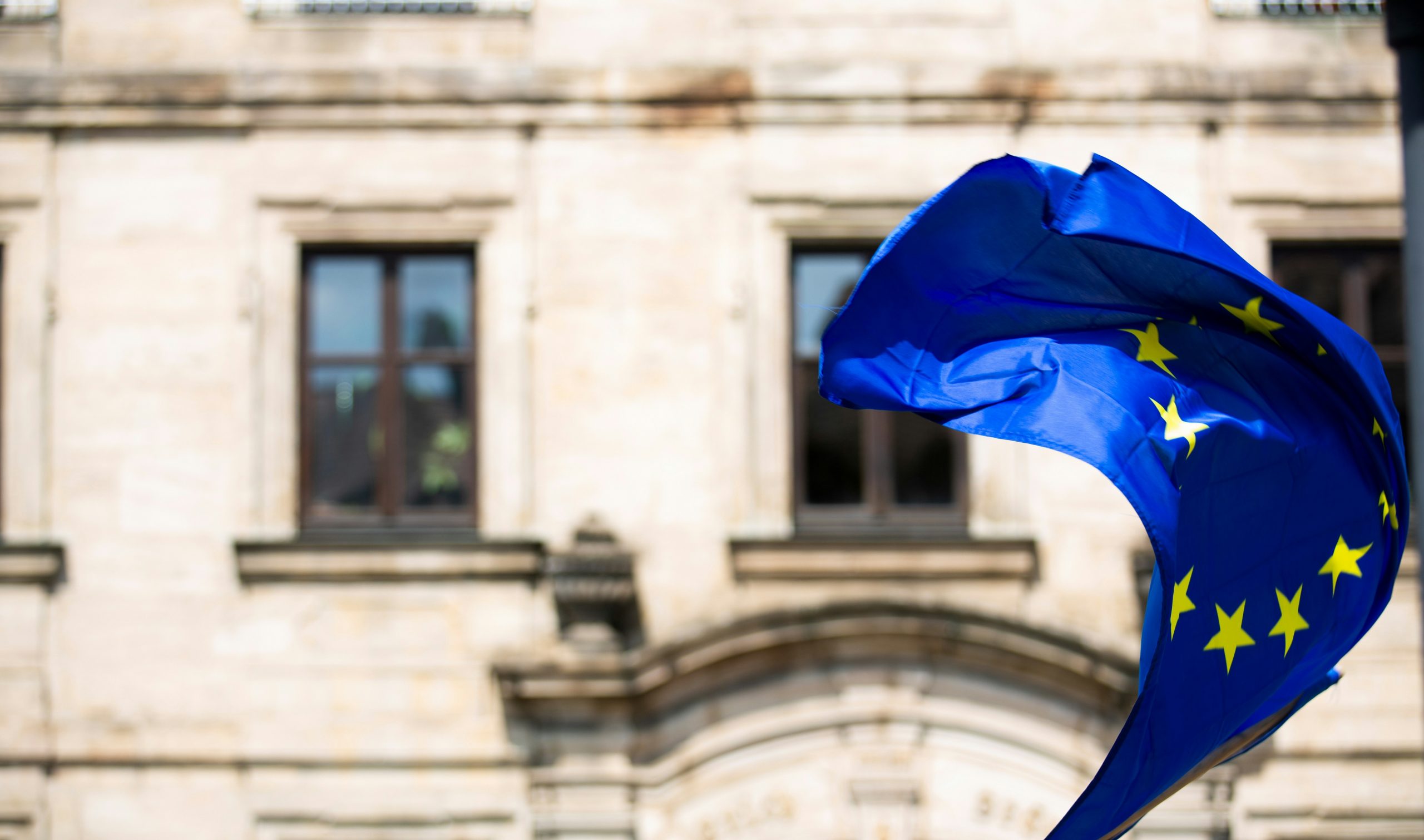
“For me, Europe is one great country,” Ralf says. “Like Germany with its states. We just need to talk better together. When we are united, we are stronger — and the world sees us as strong.”
He believes in the European Union not as a bureaucracy, but as an idea — a community of cultures that choose cooperation over competition.
“When I meet Portuguese or Danish people,” he says, “they are Europeans — with different languages and mentalities, yes, but Europeans.”
And when I ask about political divisions — Hungary’s Orban, France’s Le Pen — he shrugs. “Europe is stronger than them.”
🟡 Reflection: Strength doesn’t come from sameness — it comes from deciding to stay connected, even when it’s complicated.
France — Lessons in Fine Dining
When we reach France, I tease him: “You’re more French than the French, Ralf.”
He laughs. “Maybe,” he says. “The French can teach fine dining — very fine dining.”
He remembers a meal in Brittany: “The best mussels I ever had.” He loves the beaches, the seafood, the style — though he admits that memories of history still linger.
“Some people still think about the war,” he says softly. “But I wasn’t there. My father wasn’t there. My grandfather hid someone in the attic. People must one day say: enough.”
🟡 Reflection: Forgiveness is not forgetting. It’s deciding that history should no longer define our future.
Germany — Pride, Problems, and the High Art of Complaining
When the conversation circles back to Germany, Ralf’s tone turns pragmatic.
“Germany has problems,” he says, “but we complain at a high level. Most people are correct. We are not as bad as we think.”
He laughs about the trains (“Better we buy the French TGV!”) but acknowledges that the idea of “Made in Germany” still stands for something.
It’s not the slogan that matters — it’s the spirit behind it: doing things properly, with care.
🟡 Reflection: Maybe progress isn’t about having no problems — but about caring enough to keep improving.
A European Mindset
As we near the end of our conversation, the rain still beats against both our windows — in Cleebourg and in Cuxhaven.
Two men, two countries, one shared sky.
We talk about Denmark’s kroner, Britain’s Brexit, and the dream of a “United States of Europe.” Ralf smiles wistfully. “My wish,” he says, “would be one government in Brussels — but many small governments below, like our states. That would be good.”
And then, as always with Ralf, we come back to what really matters: food, friendship, and the small joys of everyday life.
Europe, seen through his eyes, isn’t a political concept. It’s a kitchen table with many languages, a song sung with strangers, a shared glass of wine that tastes better because someone else poured it.
🟡 Reflection: Perhaps Europe’s real anthem isn’t in its politics, but in its people — and the way they keep finding harmony through difference.