
Dancing Feet, Hedgehog Hotels, and the Kitchen Kingdom
Unearthing Hidden Skills and Fun Hobbies:
Hidden skills rarely arrive with fanfare.
They show up quietly in the kitchen, in the garden at night, at the edge of a laugh.
Sometimes they sit in your head for years as “one day, when I retire…” ideas.
For Ralf, those hidden skills look like three things:
a dancer’s heart, a storyteller’s mind, and a cook who treats his kitchen like a cockpit.
The Dancer Who Lost His Partner (But Not the Music)
When he was younger, Ralf took proper dance classes with his first wife — foxtrot, disco fox, the kind of dancing where you glide instead of march. He remembers it with a quiet pride: two people in step, moving together because the music said so.
Life changed. A second marriage. A different rhythm.
His current wife is a triathlete: swimming, cycling, running. Her body speaks in kilometers and lap times, not in beats and turns. She is brilliant in motion, but not in the way that fits a dance floor. She doesn’t feel the music the way he does. So they don’t dance.
At parties, the music still calls him. Sometimes he dances with other women — friends, wives of friends — while his own wife shakes her head: “Oh no, I don’t like it.” He laughs it off, but the truth is simple and a little sad:
“I would like to dance more, but there is no people who I can dance with.”
He won’t go to a dance class alone.
He’s monogamous not only in love but in the way he shares joy. If his wife isn’t there, it doesn’t feel right. So the dancing becomes a hidden skill — not gone, just folded away. It lives now in small moments: a few steps in the kitchen, a turn at a festival, the way he feels his body respond when a good song starts.
The feet remember, even when the calendar is full of other things.
A Brain Full of Movies: The Secret Children’s Author
Ralf says it almost casually:
“When I stop working at 65 or 67, I want to write a book for children.”
He says his head is full of fantasy — but not the big dragon-and-wizard kind. His imagination lives in small, vivid scenes:
- Five hedgehogs in his garden, riding his Vespa scooter:
one on the gas, one on the brake, others hanging on with tiny helmets. - Sheep on a North Sea island guiding an Airbus onto a tiny runway —
one sheep doing “follow me” on the ground, another driving the ground machine. - Hedgehogs pushing a tiny lawn mower, doing the gardening while he watches from the window.
He doesn’t just “see” these pictures; he feels them as mini-films running in his mind. He keeps a little notebook of ideas. One day, when work is over and the pension is safe, he plans to turn those films into stories.
For now, this creativity is half-secret. His wife knows.
Now his teacher knows.
The rest of the world doesn’t — yet.
But that hidden skill is already doing its job. It keeps him playful. It turns ordinary life into something a bit magical: a snowy garden becomes a hedgehog road trip; an island full of sheep becomes an absurd airport.
You could call it childish.
He calls it fun.
And quietly, it’s also courage — the courage to imagine, even in your sixties.
Hedgehog Hotels and Scrambled Eggs
If you really want to see a hidden skill at work, watch how someone cares for something small.
In Ralf’s garden live five hedgehogs. They didn’t arrive with a plan; one appeared years ago, and curiosity led to research, then to care, then to a little community of spiky tenants.
Now the hedgehogs have:
- Feeding houses and sleeping houses
- Infrared cameras to watch them at night
- Dry mealworms and “hedgehog brekkies” (dry cat food)
- Special nesting material: dry long grass and newspaper
- Weekend scrambled eggs — no salt, no pepper, just protein and care
Three of the hedgehogs are already in winter sleep, curled up in their houses until April. One, “little Karl,” is still too small. He wanders the garden even in daylight, hungry, trying to grow enough to survive the cold. So Ralf keeps feeding him, watching him, cheering him on.
There’s humor in how he talks about them — hedgehogs arriving with luggage and tiny moving trucks; hedgehogs complaining at the window that they “need another house.” But beneath the jokes is structure: research from a nature club, a clear feeding routine, thought about predators and lawn mowers, awareness that hedgehogs are now on the red list.
This is a hidden skill too:
the ability to turn empathy into a system.
To build a tiny world where wild animals are safer, fatter, and occasionally spoiled with scrambled eggs.
Chili Heat and Quiet Competence
Chilies are another running thread in his stories.
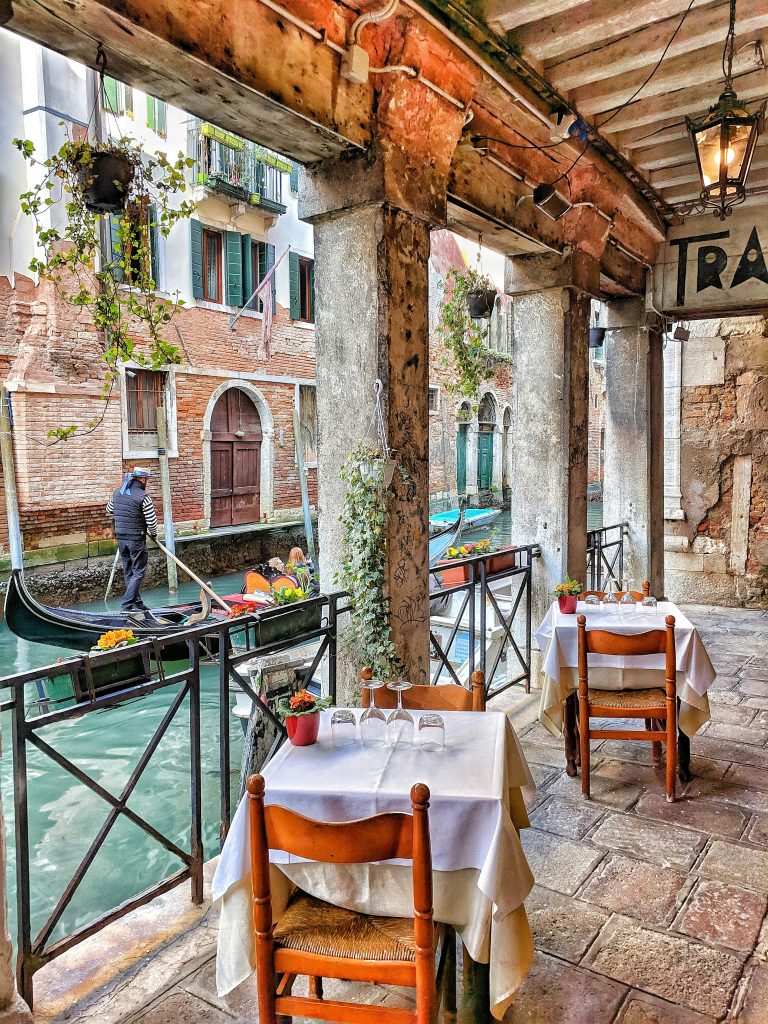
There was the holiday in Venice with the mobile home, where he found small red chilies in a supermarket and fell in love with the heat. There was the yellow, apple-shaped chili — probably some fiery variety with a terrifying Scoville rating — so hot that it crossed the line from “fun” to “not so fine.”
There’s his former colleague from Denmark, a grinding tools product manager by day and chili alchemist by night, drying, grinding, and carrying homemade chili powder everywhere in his pocket. At restaurants, people would say, “I want some too,” and he’d warn, “It’s hot.” They never listened. They learned.
Ralf talks about these people with affection. He recognizes something of himself in that level of obsession — the way someone can turn a simple thing (a chili, a hedge, a lawn, a machine) into a craft.
His own version is cooking.
The Kitchen as Cockpit
If dancing is a lost partnership and storytelling is a future plan, cooking is the hidden skill that’s already fully alive.
The kitchen is his territory.
His knives hang on a magnetic strip, always in the same order. Ingredients live in specific places. While he cooks, he cleans as he goes — so that at the end there’s only a little left to wash. His wife doesn’t cook; she hasn’t really cooked since they met in 2006. She comes from a butcher family where meat and meals were everywhere, but she prefers sports to stoves.
So the ritual is clear:
- Morning: he makes her coffee.
- Day: she works, then trains — running, swimming, cycling.
- Evening: she comes home, and he serves the food.
- Night: they eat together, talk, laugh, then sleep.
He jokes that she has a good life.
He also admits he doesn’t like other people in his kitchen while he’s working. He’s happy to share the meal — not the process. The order, the tools, the flow: that’s his domain.
He never trained as a chef. Everything he knows comes from parents, books, practice, curiosity. He dreams about learning from a professional one day — maybe a German TV chef like Cornelia Poletto — but then shrugs it off. At 62, with retirement to plan and a brain he calls “too old for a three-year apprenticeship,” he’s not chasing a restaurant career.
Yet what he has is already more than “amateur.”
It’s a craft of care, precision, and rhythm — the same instincts that made him a good engineer and a loyal partner now live in pots, pans, and perfectly timed meals.
“Everyone Is a Genius…”
In the middle of all this, his teacher brings in a quote from Albert Einstein:
“Everyone is a genius, but if you judge a fish by its ability to climb a tree,
it will live its whole life believing that it is stupid.”
At first, Ralf struggles with the idea that everyone is a genius. He immediately thinks of politics, of people he doesn’t admire. He’s honest — maybe brutally so.
But when the quote is unpacked — not everyone is a genius at everything, but everyone has a place where they shine — something clicks.
His wife is brilliant at triathlons. He is not.
He is brilliant at cooking and storytelling and caring for hedgehogs. She doesn’t need to match him there. The fish swims; the squirrel climbs.
Hidden skills are often just skills in the wrong room.
In a noisy office, his fantasy might seem “crazy.”
At a party, his wish to dance more might look like a small complaint.
In a garden with five hedgehogs and a Vespa, in a kitchen that runs like a well-tuned machine, they look like something else entirely:
Genius, in his own element.
Why Fun Skills Matter
Near the end of the conversation, he’s asked:
Why are fun skills important for happiness?
His answer is simple and true:
- They keep you positive.
- They’re good for the inside — for the body, the heart.
- They help you laugh, and laughter is medicine.
- They give lightness in a world full of heavy problems.
He remembers a work trip where he and colleagues laughed so hard they could barely breathe. He remembers how his wife laughs at his animal stories, even when her own stories don’t land the same way. He knows that these small joys — dancing in the kitchen, telling silly stories, feeding hedgehogs scrambled eggs — don’t solve the world’s problems.
But they do something else:
they keep the world inside him soft, warm, and alive.
The Quiet Invitation
Hidden skills don’t need to become careers.
You don’t have to open a restaurant, publish a bestseller, or win a dance competition.
Sometimes, it’s enough to:
- let your feet move when a song you love comes on,
- write down the strange little films in your head,
- build a tiny hotel for hedgehogs behind your house,
- or guard your kitchen like a cockpit because that’s where you feel most yourself.
If there’s a lesson in Ralf’s stories, it might be this:
Your “fun skills” are not a side dish.
They are clues to who you are when nobody is judging you like a fish trying to climb a tree.
Maybe the real task is simple:
notice them, name them, and give them just a little more room in your day.