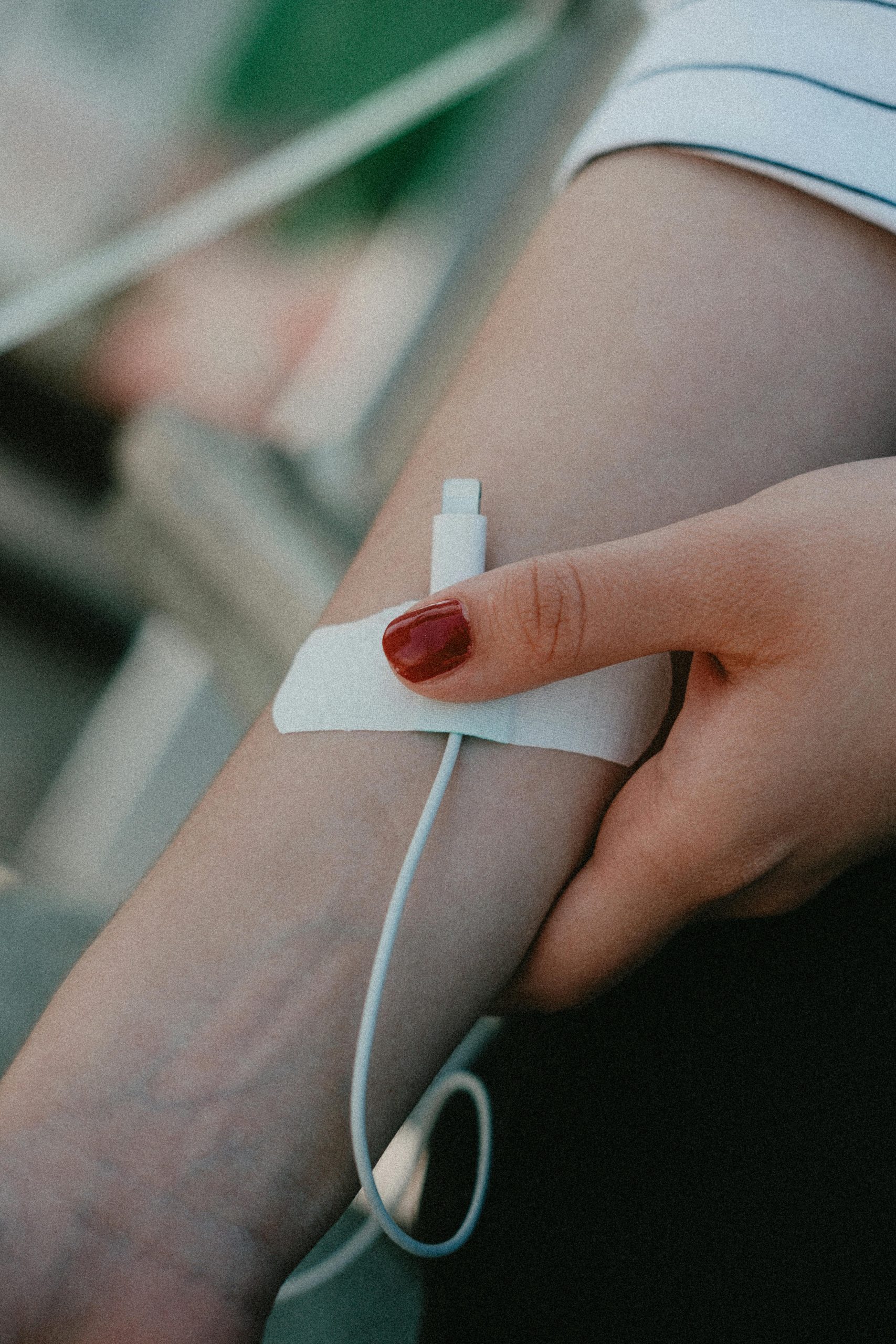
Batteries Included: The Quest for More Energy
On a quiet afternoon video call, Fruitloop greets her student Maxime with the usual question: “How was your week?” The answer comes with a sigh and a story that sounds like it belongs in a sports documentary. Maxime, an engineering student and competitive gymnast, had just competed over the weekend—until a mistimed vault during warm-up ended with a painful ankle injury.
His ankle, swollen and bruised, revealed a partial ligament strain after a physiotherapy scan. Fortunately, the damage wasn’t severe. “Two or three weeks,” Maxime says optimistically, explaining that with the right exercises and recovery he should be back at full strength. The timing, luckily, isn’t catastrophic. His true goal isn’t this competition—it’s the French Championships in two months.
When Sports and Science Collide
While gymnastics demands precision and power, Maxime’s academic world operates on algorithms and sensors. At school, he’s deep into engineering projects involving artificial intelligence and electric vehicles.
One of his exams involves route planning for electric cars—the complex process of calculating the best path for a trip while determining optimal charging stops along the way.
The other exam dives even deeper into technology. Maxime and his classmates built an AI system designed to predict engine failure. Using NASA datasets, the model analyzes 21 sensors monitoring engine behavior. By learning patterns from historical failures, the AI can anticipate when a motor is likely to stop working.
Fruitloop listens with fascination. “Very complicated,” she laughs, “but very interesting.”
For Maxime, that balance between challenge and curiosity is energizing. Engineering puzzles stimulate his mind just as gymnastics stimulates his body.
The Science of Energy
The conversation shifts toward the topic of the month: energy.
For Maxime, energy begins with the fundamentals: sunlight, sleep, nutrition, and having a clear plan for the day. Waking up with a goal gives him momentum. Without structure, he says, it’s easy to feel drained.
His ideal morning might surprise many people.
“I like to do sport immediately after waking up,” he explains. A five-kilometer run or a gym session at 6:30 or 7:00 a.m. followed by a strong breakfast sets the tone for the day.
Fruitloop nods but admits that not everyone shares that enthusiasm. Some people would consider such a morning routine impossible.
Maxime simply shrugs. “It works for me.”
Sleep vs. Food: The Ultimate Energy Debate
Fruitloop raises an important question: What matters more for energy—sleep or food?
Maxime doesn’t hesitate.
“Sleep,” he says.
While some people can survive on minimal rest, he knows his body well enough to understand that fatigue cannot be replaced by sugar or caffeine. Eight and a half hours would be ideal, he says, though reality usually lands closer to six or seven.
The problem isn’t just late nights studying—it’s also restless sleep and the temptation of distractions like scrolling on his phone.
Both agree: modern digital habits quietly steal time and energy.
Training Without Pause
Unlike many athletes who schedule rest days before competitions, Maxime’s gymnastics culture works differently.
Gymnasts often train every day, sometimes more than thirty hours a week. The body becomes accustomed to constant motion, and sudden rest can actually make it harder to perform.
However, Maxime recently learned an important lesson. The day before his competition, he trained harder than usual and unknowingly used up the energy he needed for the event itself.
“Maybe I just needed a more basic training,” he reflects.
Even small miscalculations can affect performance at high levels.
Friends, Motivation, and Shared Energy
Not all energy comes from food or sleep. Sometimes it comes from people.
Maxime credits one of his trainers in Laval, who also happens to be a close friend. The trainer’s enthusiasm and constant smile create an atmosphere that pushes everyone to work harder.
“When we train together,” Maxime says, “we motivate each other.”
The effect works both ways. Some of Maxime’s friends struggle to exercise alone, so they ask him to join them for runs. Simply having someone there can transform motivation.
Energy, it seems, can be contagious.
The Recharge Button
At one point, Maxime describes a physiotherapy treatment that sounds almost futuristic.
During a session, his physiotherapist inserted several dry-needling needles into his back muscles and connected them to a low electrical current. The stimulation caused the muscles to contract rhythmically.
“It was like charging a phone,” Maxime laughs.
Fruitloop is fascinated—and slightly skeptical—but agrees that the metaphor fits perfectly.
Sometimes recovery really does feel like plugging yourself back into the wall.
Weather Forecast: Energy Levels
When Fruitloop asks Maxime to describe his energy as if it were weather, he smiles.
“Cloudy with some sun behind the clouds.”
He feels productive and calm, but slightly tired.
Fruitloop’s own energy forecast is stormier. Heavy rain flooded her office earlier that day, forcing her to relocate temporarily. Luckily nothing was damaged, but the cleanup took effort.
Life, like weather, doesn’t always follow the forecast.
Superhero Energy
The conversation ends with a playful question: if energy turned them into superheroes, who would they become?
Maxime chooses Spider-Man, a hero constantly jumping, climbing, and moving—just like a gymnast.
Fruitloop chooses The Flash, wishing she had the superhuman speed to power through every task in a day.
Both laugh at the idea.
Because in reality, energy doesn’t come from superpowers.
It comes from habits, discipline, recovery, and the small daily choices that keep both body and mind moving forward.