
No Excuse for the Wind.
By Sylvie, France.
Some inventions make life easier. Others change what we think is possible — and sometimes the same invention manages to do both.
Before we reached the subject of inventions, our conversation had already travelled through quite a few parts of everyday life. We talked about the things happening in the world, the floods and difficult news, and then moved closer to home — to my tennis tournament and my daughters, who are very different from one another. It was one of those conversations where one subject naturally leads to the next.
Perhaps that is why talking about inventions did not feel like a separate topic at all. They are simply another part of ordinary life: the things we use, depend on, complain about and sometimes only notice when we stop to think about them.
There are inventions I use so automatically that I hardly think of them as inventions anymore.
My credit card is one. That was the first thing that came into my mind. It certainly makes spending money easier — perhaps sometimes too easy, because you can spend now and only see the deduction at the end of the month.
Then there is the phone.
I grew up without one, so I can remember another way of living. Our children cannot really compare because they have always had phones around them. Without them, perhaps we visited people more. We spoke face-to-face more. If you wanted to call somebody, you used the fixed phone.
Today, I would find it difficult to imagine going back completely.
If I am driving somewhere at night and something happens, I have my phone and I can call somebody. When I remember going to the discotheque when I was younger, we did not have that. Somehow we managed. Now, knowing that help is sitting there in your pocket has become normal.
But I am still not sure the phone is entirely a good invention.
It makes communication easier, but it also makes other things easier. It is easy to criticise somebody through social media. It is easy to publish something negative or share photographs that have been manipulated. And on the road, I see people looking at their phones while driving — in cars, trucks and even tractors. You can see the phone sitting on somebody’s knee while they are supposed to be watching the road.
That is something I will not do. If I am waiting for an important call, I find somewhere to stop and park.
So perhaps a good invention does not automatically mean we use it well.
The machines that quietly help.
Some inventions are much less complicated.
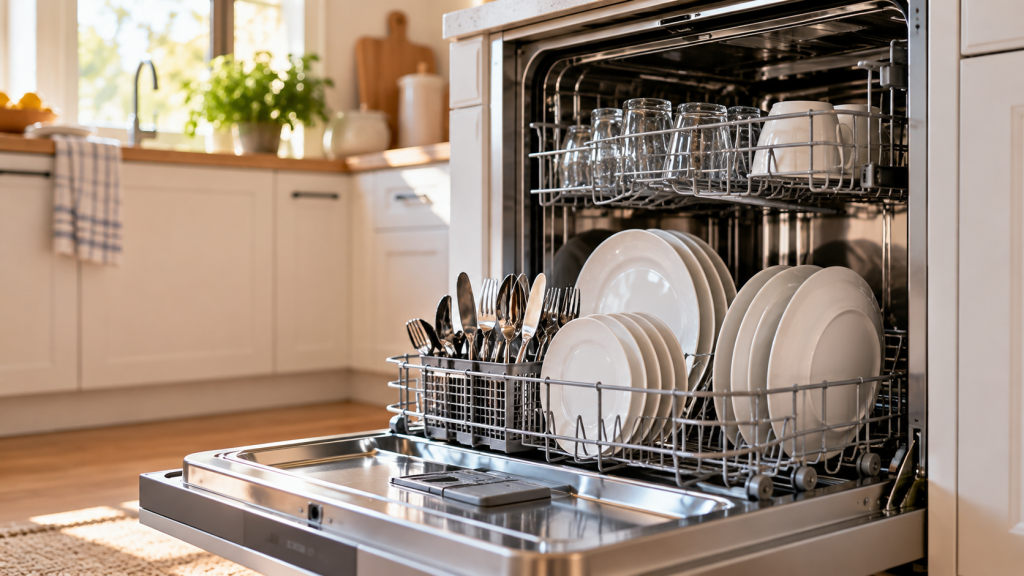
The dishwasher is brilliant because it makes life a little easier. Of course, the machine does not solve everything. Somebody still has to put the dishes inside, and somebody has to take them out again. Then comes the usual household question: who is going to do it?
The washing machine belongs on the list too.
I also like having a printer. We can keep more and more things digitally now, but sometimes, when I really need to understand something, I prefer to have it on paper in front of me.
Not every modern convenience feels necessary, though. I could live without air conditioning. In the past we did not have it everywhere, and sometimes I do not even like it. The air can be too cold, or the wind blows directly onto you. Something can be convenient without necessarily making you more comfortable.
And then there is one invention that, for me, has changed much more than a household chore.
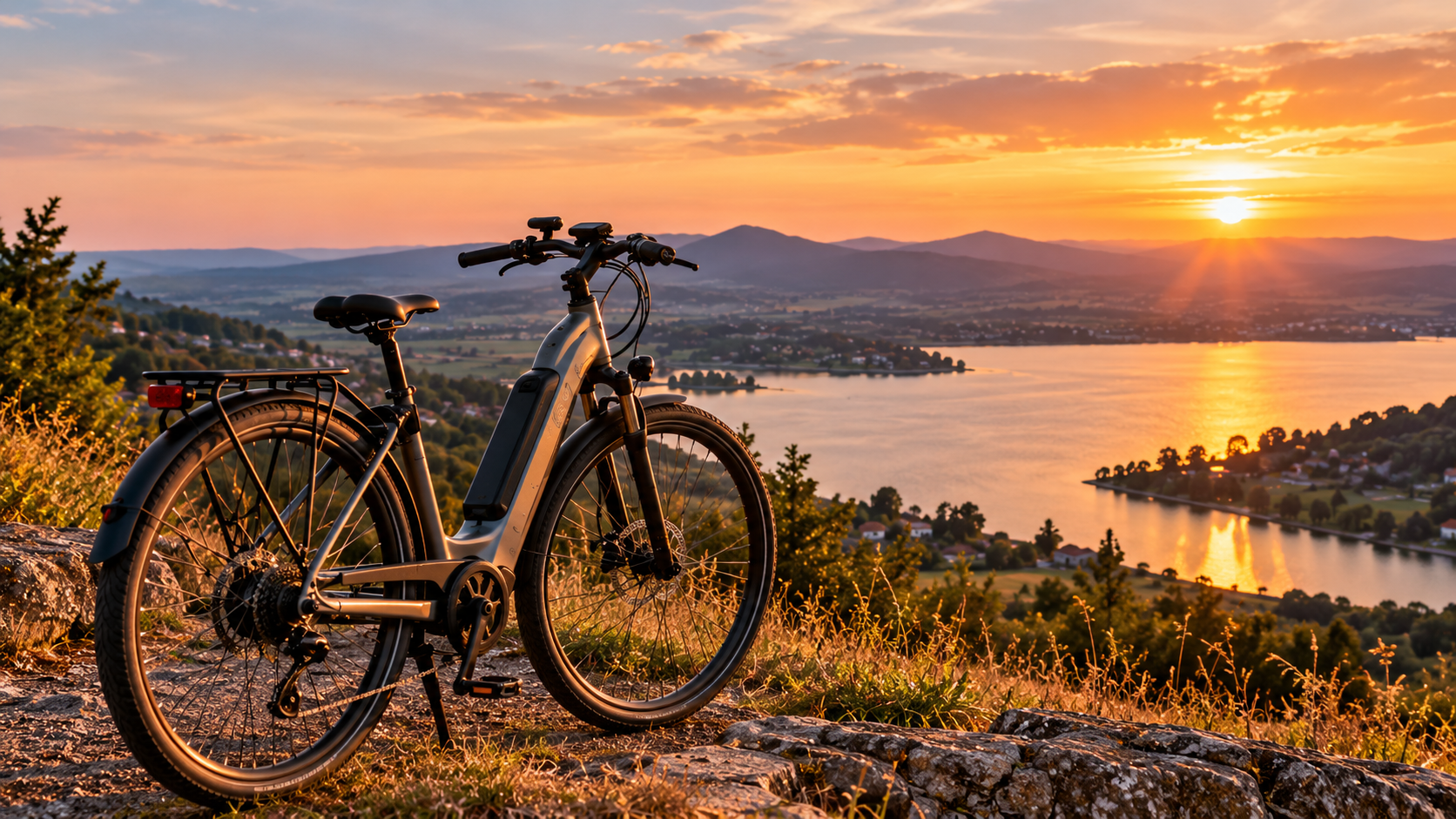
The e-bike.
Before I had an e-bike, going cycling meant thinking about the wind.
With a normal bicycle, you look at which direction the wind is coming from and try to plan your route so that, at least for part of the journey, it will be behind you. But at some point it will be in front of you, and then you have to fight it.
With the e-bike, it does not matter so much whether it is windy or not.
There is no excuse.
That freedom changes where I can go. I can explore more places and ride much farther than I would with an ordinary bicycle. On Sunday, I went out alone and cycled about 45 kilometres. With a normal bike, especially with the wind we had that day, I would never have done it.
On longer rides, 80 kilometres is possible, and my battery can take me close to 100 kilometres when I use the normal assistance. I could stretch it farther by using the economy setting, but the bike itself is heavy, so then cycling becomes much harder. For me, around 100 kilometres in a day is already enough.
The electrical assistance stops helping from about 26 kilometres per hour, although sometimes I can still go faster when the wind is behind me or the road goes slightly downhill.
The funny thing is that an e-bike could sound like a way of doing less exercise. For me, the opposite is true. Because the difficult parts become manageable, I cycle more. I go farther. I explore places I probably would not have reached with my normal bicycle.
That may be what I like most about a really useful invention. It does not have to do everything for you.
Sometimes it only needs to remove one obstacle.
Even if that obstacle is the wind.