

Eleven Days, Thirteen Hours and Five Minutes.
By Babette, Germany.
Before Babette’s family reaches Egypt, there are visas to check, trains to choose, snorkelling masks to buy and one very old underwater camera to test. Sometimes the adventure begins long before the plane leaves the ground.
“I have one day and one hour, and then I’m on vacation.”
That was how the countdown began. But there was another, much more important countdown running in Babette’s head: the family holiday to Egypt.
By the end of the conversation, she could give that one with impressive precision.
“Eleven days and thirteen hours and five minutes.”
For the moment, she quickly added.
There is excitement in her household, but it is the kind of excitement that comes with a rather long to-do list. The passports are sorted. The suitcases are not. The visas still need checking. The train to Cologne airport needs arranging. There are snorkelling masks to buy, questions about transfers to answer and an ancient underwater camera waiting to discover whether retirement has finally caught up with it.
And somewhere beyond all that organisation are Egypt, the sea, a glass-bottom boat and seven days of family holiday.
First, the visas.
Babette has discovered that even going on holiday requires decisions before the fun can begin.
The family may be able to arrange their visas when they arrive in Egypt, but that could mean standing in a long queue at the airport. Neighbours who regularly travel to Egypt told her they had once waited around an hour and a half.
After travelling through the night, taking a flight of roughly five hours and then still needing to reach the hotel, that is not an especially attractive prospect.
“I think it’s better when we do it before,” Babette said.
That, however, requires another bit of curiosity: she still wants to check exactly what the children need.
Babette is already confident about one thing.
“I think it will be fantastic.”
Her husband appears even more confident. Before they have taken their first flight to Egypt, he is already sure they will holiday there again.
The mermaid boat.
Then came the challenge of explaining one of their possible excursions in English.
It began as a “mermaid glass bottom” boat.
Babette tried again. Boat. Glass. Bottom. Windows. Sitting below the boat and looking through them into the water.
Eventually they got there.
“Like a glass bottom, maybe,” Janita suggested.
“Yes!”
Success.
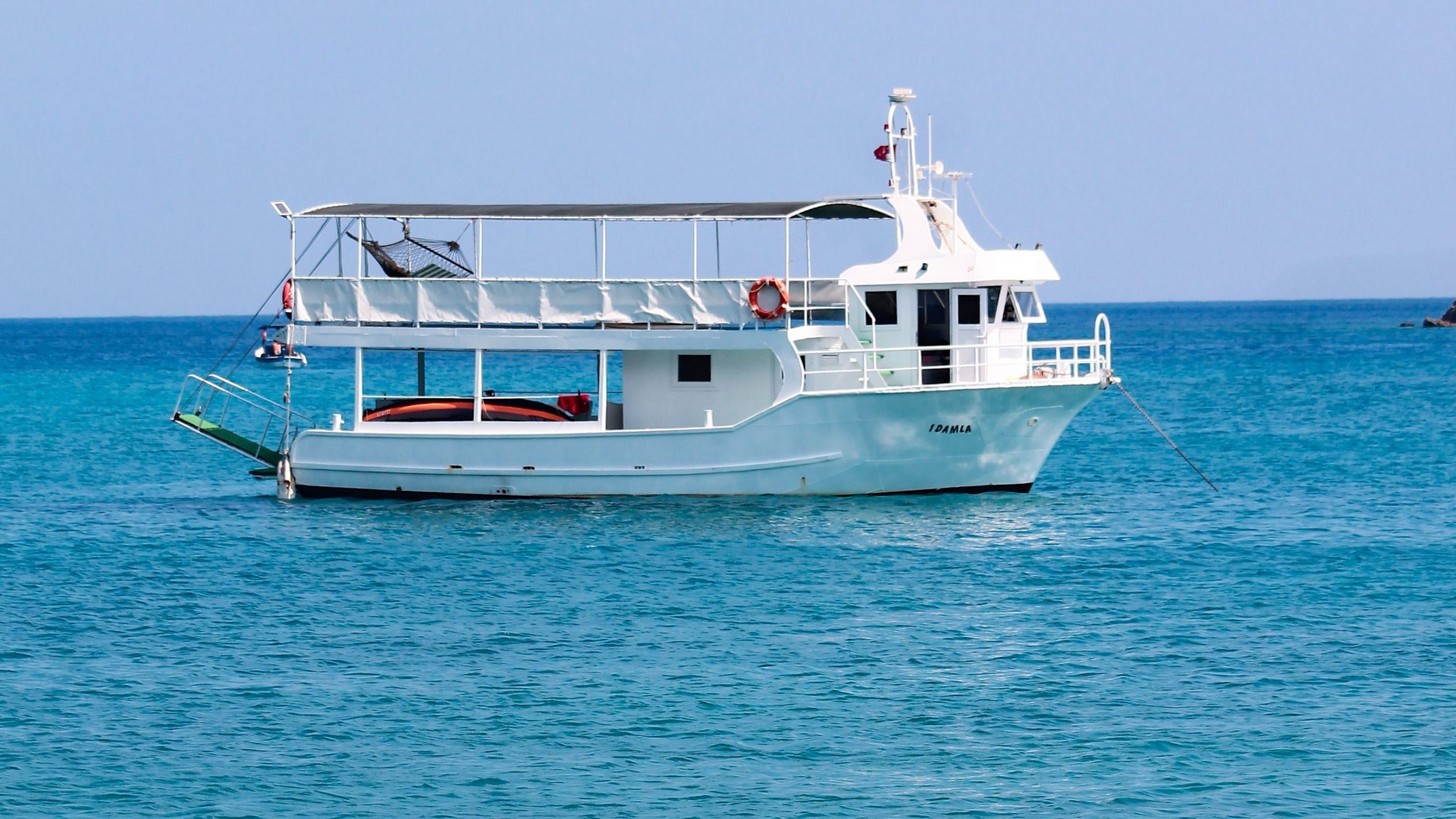
There may also be snorkelling, which means the family needs masks and fins. Babette has been advised that it is better to buy them at home and take them along.
This creates a new problem: luggage.
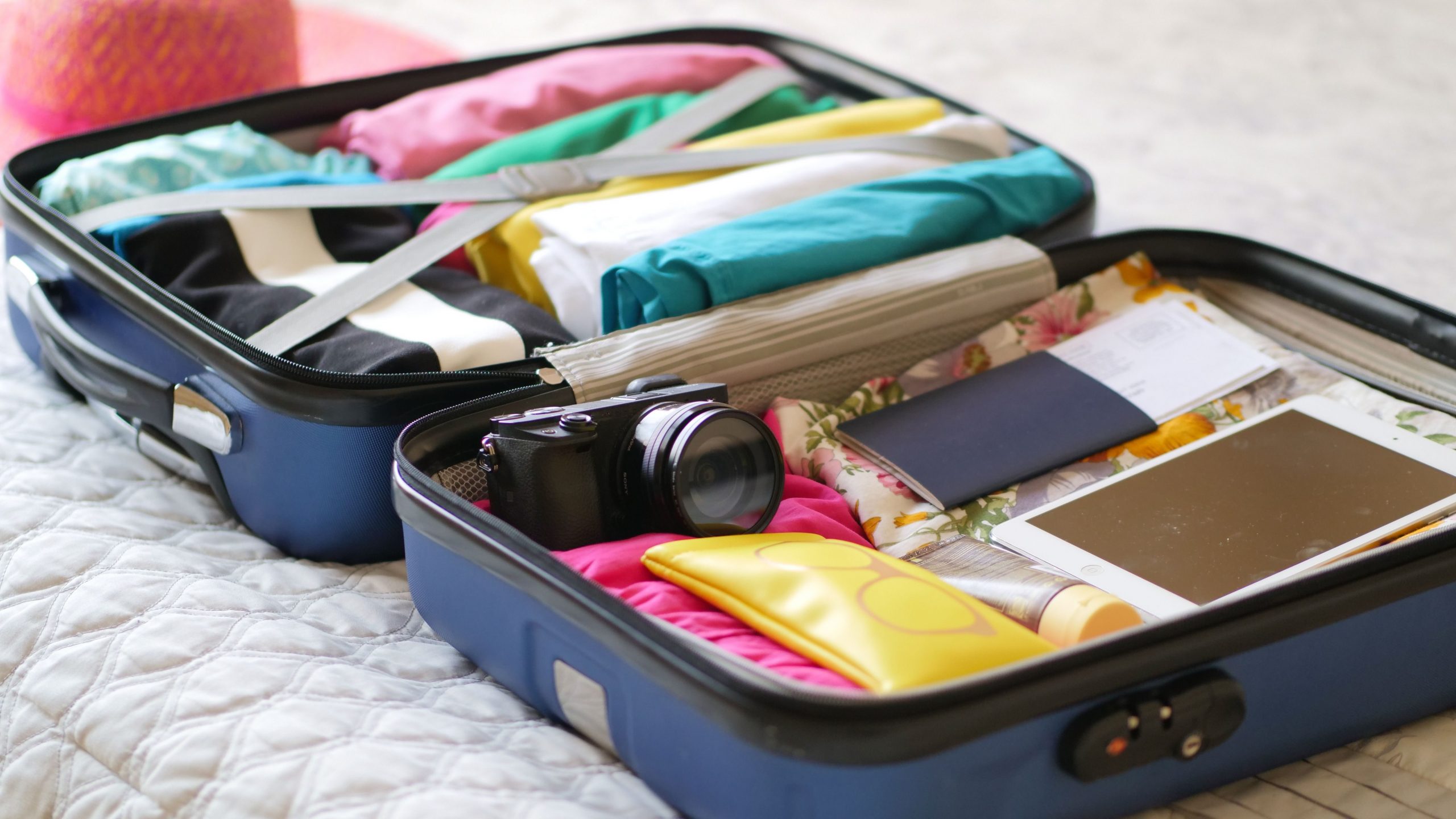
Babette’s solution is wonderfully practical. If snorkelling equipment takes up space, they will simply take fewer clothes.
For seven nights, she reasoned, how much do you really need? A swimsuit, underwear, some shorts, perhaps two pairs of trousers. Socks are hardly going to be the star of an Egyptian holiday.
Besides, each person can take 20 kilograms of luggage, and there should be space left for the return journey. Babette already suspects they will buy a souvenir, and there may be dresses or T-shirts worth bringing home.
The holiday has not started yet, and already every kilogram has a possible future.
Photographic evidence.
Then Babette remembered something.
She has an underwater camera.
Perfect for snorkelling. Perfect for the glass-bottom boat. Perfect for bringing back photographic evidence of the family adventure.
There is only one small problem.
“The expiry date was March 2017.”
Fruitloop was baffled.
“Why does it have an expiry date? It’s a camera! It’s not food!”
Babette did not know either.
She bought it for a holiday around 2011, and apparently it has been waiting patiently ever since. Fruitloop suggested testing it in a swimming pool before trusting it with the photographic record of Egypt.
There is also a waterproof cover for Babette’s mobile phone, but its reliability is not particularly reassuring.
“Sometimes it works. And sometimes not.”
She knows this from experience. During a previous holiday in Mallorca, she managed to use it for a picture of herself in the ocean.
The purpose of the picture?
“Photographic evidence.”
Evidence that she had actually been in the sea.
Her husband later tried taking pictures underwater, apparently with less success.
For Egypt, Babette has already developed a sensible division of labour: she can take pictures from the boat. The children can deal with the underwater camera.
Assuming, of course, that the camera from 2011 decides it is still alive.
Getting to the holiday is part of the holiday.
Before anyone can snorkel, however, the family has to reach Cologne airport.
Babette is considering using Rail and Fly, which means another investigation into train times and connections.
Driving would take roughly three to three and a half hours, and the children could sleep in the car. The train does not necessarily save much time. One option involves changing three times. Leave an hour later and they would have to change four times.
Still, one connection gives them almost two uninterrupted hours on a train.
There are closer airports, including one only about 30 or 40 minutes away, but the convenient option is not necessarily the affordable one. Flights from other airports could have pushed the holiday cost much higher.
So Babette keeps comparing.
Train or car. Visa before travelling or visa at the airport. Buy something at home or buy it there. Take more clothes or leave room for snorkelling equipment.
For a holiday that is supposed to be about getting away from everyday responsibilities, there is an impressive amount of administration involved in escaping them.
Yet Babette is also learning something useful from the process. If the family decides to make a similar trip next year, she thinks she may be able to organise much more of it herself online, perhaps with some help from a friend who has experience with travel bookings.
The unknown becomes less unknown once you have done it once.
Meanwhile, ordinary life continues.
Egypt may be approaching, but home has not disappeared.
There is still work to finish. Babette may need to stay a little longer to complete some special invoices before her leave begins.
There is a garden waiting for attention. After hot weather, the grass has turned brown, while the tomatoes and melons are grateful for rain.
There is also her son’s birthday approaching, with plans for a pool party if the weather cooperates.
And there are the small pieces of family chaos that refuse to wait politely for a holiday.
These are the details that sit beside the grander plans: visas and pyramids and brown grass, snorkelling masks and work invoices. The extraordinary holiday is coming, but ordinary family life keeps happening right up to departure.
What will happen when they get there?
Not everything has been planned.
That may be part of the pleasure.
There could be the glass-bottom boat and snorkelling. There might be a trip into the desert on quad bikes. Babette has heard about tours to the pyramids too, but she is less convinced by the prospect of stepping from an air-conditioned bus into extreme heat.
That is the lovely thing about a holiday that has not happened yet. At the moment, Egypt is still made from other people’s advice, internet searches, weather forecasts, timetables, expectations and questions.
Soon the family will discover what it is actually like for themselves.
Babette’s WhatsApp status may become the unofficial travel report.
And when she returns, one English conversation may not be enough to contain seven days in Egypt plus the journey there and back.
Babette already has the solution.
“When one hour is not enough, so then we make two hours.”
But first she has to get there.
At the end of the conversation, the countdown was still running.
Eleven days.
Thirteen hours.
Five minutes.
For the moment.