Living Life or Consuming It?
A conversation about concerts, caravans, mowing the lawn and why active rest may have less to do with stopping than with fully entering the experience.
This conversation began with a contradiction.
Can rest be active?
At first, it sounded like one of those modern expressions that should never have been invented. Surely rest means stopping. Surely activity means doing.
But the longer we talked, the less certain those definitions became.
By the end, we were no longer discussing active rest at all.
We were asking a different question.
Are we living our experiences—or merely consuming them?
A contradiction that makes sense
When I first heard the phrase active rest, I immediately thought it sounded wrong.
“Rest means sitting down,” Manfred said.
“Recovery and rest are different.”
Martin agreed that being active could still be relaxing, but only if it was a conscious choice rather than another obligation.
That distinction quietly shaped the whole conversation.
Perhaps rest is not defined by how much energy we use.
Perhaps it depends on where that energy comes from.
The lawn that cleared the mind
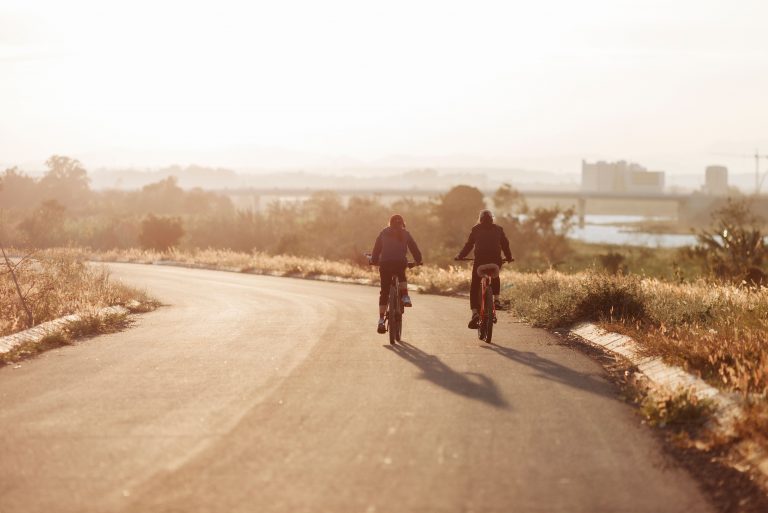
For Martin, a walk clears his head.
The thoughts are allowed to wander. Stress begins to loosen. By the time he returns home, the world usually looks a little simpler.
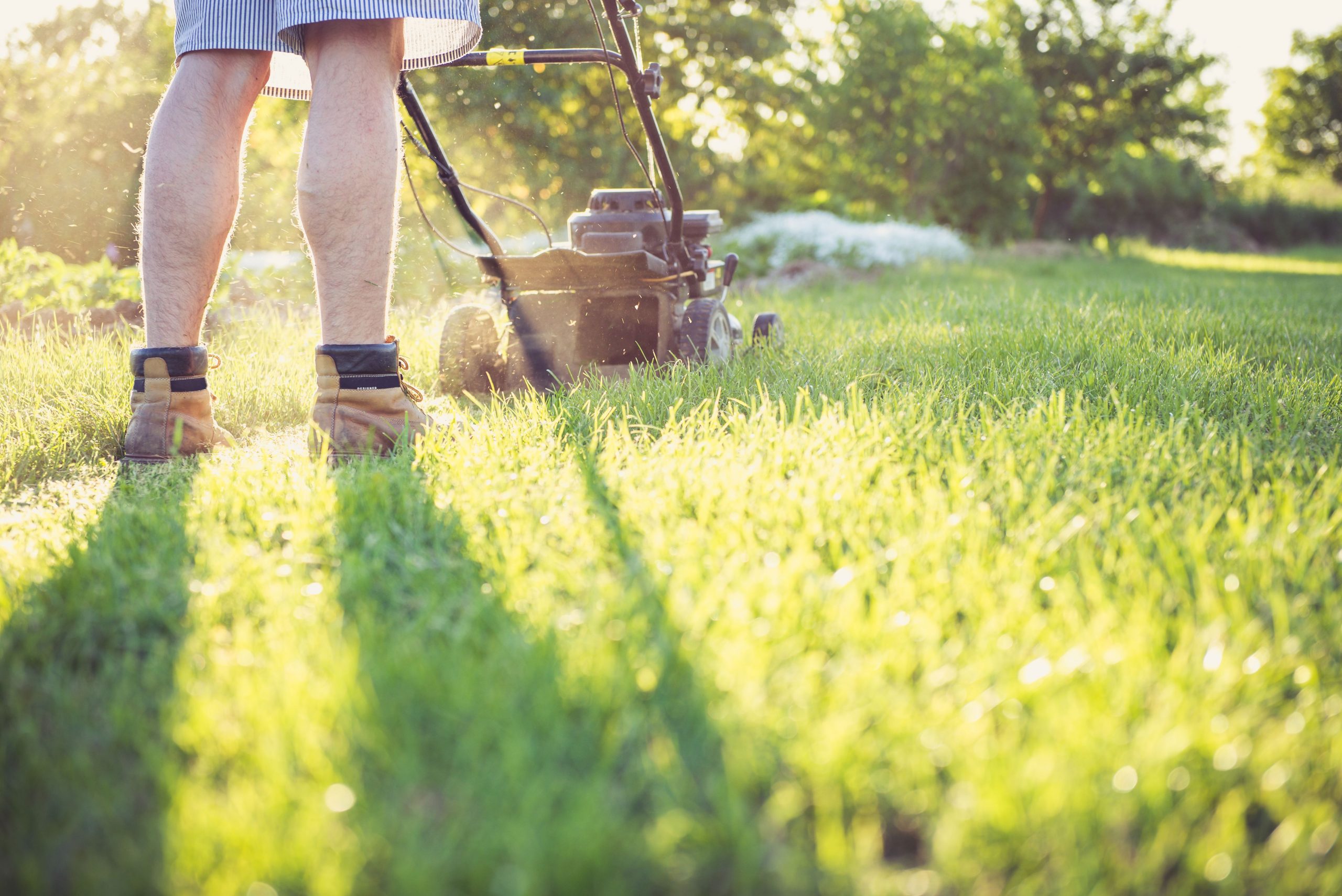
For Manfred, it was mowing the lawn.
Not because he enjoys cutting grass more than anyone else, but because forty-five minutes of concentrating on perfectly straight lines leaves very little room for everything else.
Of course, mowing the lawn backwards is not recommended.
He discovered this after falling over and cutting his arm.
Scientific research sometimes has painful moments.
The empty day
Free days sound wonderful until they actually arrive.
Martin admitted he protects empty days extremely well.
His to-do lists are legendary.
Completing them is considerably less legendary.
When asked how he had mastered the art of productive procrastination, he explained that the information required security clearance.
Even then, he might have to shoot us afterwards.
Manfred recognised the feeling.
For many years he approached free days in much the same way.
Recently, however, he has begun a new experiment.
Doing something.
To his surprise, finishing a few jobs actually feels rather satisfying.
After sixty-five years, he is cautiously exploring this revolutionary discovery.
His wife has noticed.
She becomes noticeably happier whenever something disappears from the to-do list.
Unfortunately, she also possesses an extraordinary ability to replace it with something else.
His Fridays have gradually become less like holidays and more like carefully managed construction projects.
When does the holiday begin?
One of the most interesting discoveries came from Manfred’s caravan holidays.
His holiday does not begin at the campsite.
It begins the moment he gets into the car.
From that point onwards, his only real responsibility is getting everyone safely to the destination.
Everything else can happen when it happens.
There is no detailed timetable.
No minute-by-minute schedule.
No pressure to optimise every hour.
“It is going with the flow,” he explained.
Even setting up the caravan follows its own rhythm.
His wife would prefer it finished as quickly as possible.
Manfred prefers to think.
To compare.
To weigh up options.
Sometimes a little too carefully.
Eventually the caravan stands where it should.
The chairs come out.
Life slows down.
By then, holiday has quietly arrived.
Experiences that stay
Martin described something similar after going to the “Garbage” concerts.
A concert is never just the evening itself.
It begins long before the first song.
There is planning.
Travelling.
Meeting familiar faces.
Remembering lessons from previous trips.
Looking forward.
Then comes the music.
Afterwards, the experience continues.
Sometimes for days.
Sometimes for years.
A concert from Edinburgh, two years ago, still returns to him unexpectedly.
Not because he is trying to remember it.
Because it has become part of him.
That is very different from returning home from a package holiday and saying,
“The weather was nice.”
Living or consuming?
Almost without noticing, the table arrived at the question that held everything together.
Martin described the difference between preparing for an experience and simply buying one.
Preparing stretches the experience.
It begins before the event.
It continues afterwards.
It creates memories, anticipation and stories.
Simply consuming something often ends the moment it is over.
Perhaps this is why concerts, caravans and even long journeys feel restorative.
They invite participation.
They ask something of us.
They become part of our lives instead of simply passing through them.
The journey matters
The conversation also challenged another modern habit.
We often want to arrive as quickly as possible.
Teleportation would be wonderfully efficient.
Martin smiled.
“It would be terrible.”
The journey matters.
Manfred agreed.
Driving a thousand kilometres is tiring.
Traffic can be frustrating.
But within those thousand kilometres are hundreds of small experiences that never happen at home.
Stopping for coffee.
Finding a quiet place.
Crossing a border.
Watching the landscape slowly change.
The destination is important.
But the road contributes something too.
“The path is the goal,” he said.
Becoming good at rest
Experience changes things.
The first ferry crossing with a caravan brings uncertainty.
Will everything fit?
Will the angles work?
Have I forgotten something?
Later, those worries disappear.
Not because the experience has become boring.
Because confidence creates space to notice other things.
The sea.
The people.
The journey itself.
Trust also grows.
Trust in the ferry operators.
Trust that somebody else knows something you do not.
Sometimes asking for help is part of resting.
Not every problem needs to be solved alone.
The Ministry of Rest
Towards the end, we imagined a fictional Ministry of Rest inspecting our lives.
Which activity would they wrongly classify as work?
Manfred answered immediately.
“Mowing the lawn.”
It looks like work.
It requires effort.
It even comes with occasional injuries.
Yet somehow it restores him.
That may be the problem with judging rest from the outside.
Activity does not always create stress.
Stillness does not always create recovery.
Sometimes the opposite is true.
Finding our bearings
The conversation began with the phrase active rest.
It ended somewhere much more interesting.
Rest is not always about doing less.
Sometimes it is about becoming more present.
Walking instead of rushing.
Preparing instead of consuming.
Travelling instead of teleporting.
Mowing the lawn with straight lines.
Driving towards the Netherlands before the holiday has officially begun.
Listening to a concert that stays with you for years.
Perhaps the real difference is not between activity and rest.
Perhaps it is between moving through life…
…and allowing life to move through us.