
It Was Just a Walk
Fabrice began with rest. But for him, rest was not only sleep, silence, or doing nothing. Sometimes rest was fishing at five in the morning. Sometimes it was beer in the courtyard. Sometimes it was walking seventeen kilometres through the woods and calling it “just a little stroll.”
The First Picture of Rest
When Janita asked me what picture comes into my mind when I hear the word rest, I did not first think of a sofa.
I thought of five o’clock in the morning.
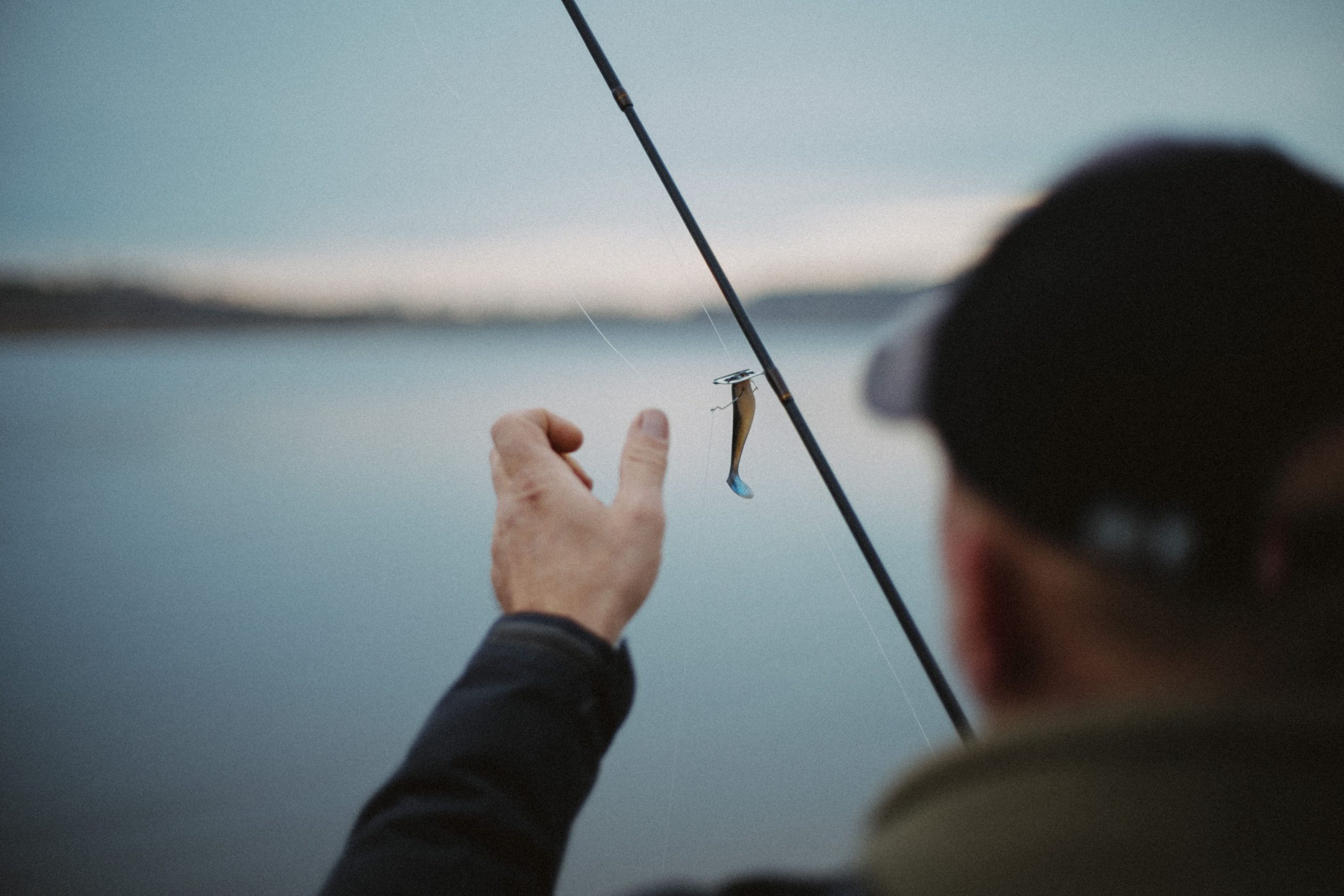
I go fishing on the Rhine. I have my fishing rod, my chair, and the quiet. I sit there and wait for the fish to bite.
That is a very nice rest.
Not every day, of course. When I have my fishing licence, maybe two Sunday mornings in the month, and one or two evenings in the week.
But this picture came first.
The river.
The chair.
The quiet.
And waiting.
If I come home with no fish, this is not a problem.
The supermarket has fish.
The Mayor said, “Look what I caught.”
Yes.
Fish fingers.
A special sort of fish.
Rest Is Sometimes Doing Nothing
For some people, rest means doing nothing.
For me, maybe nothing, maybe something. It depends on my mood.
Not every day I make something. But not every day I make nothing.
Sometimes, after work, I sit on the sofa and watch a movie.
Sometimes I sit in my courtyard with a beer. I watch my trees. The chestnut tree. The pine tree. I watch the swallows in the nest.
The swallows fly and catch flies and make little swallows.
This is also rest.
Janita told me she has pigeons in the roof of her office. Big pigeons, with babies.
I told her she can eat them.
She said she had eaten pigeon once at her grandparents, but it was not chicken.
I said, with potatoes, it is very fine.
This is also Brida rest.
A question about rest becomes a question about birds, then dinner, then potatoes.
When the Head Becomes Quiet
After a normal workday, I need my head to become quiet again.
Sometimes I sit in the chair with a beer and the swallows.
Sometimes I walk in the fields or in the forest. Maybe one hour.
Sometimes I listen to music. AC/DC. Dire Straits. Rock, blues, music from the 60s, 70s, and 80s.
And then there is Rocky Horror Picture Show.
Once a year, on Carnival Monday, I go to the cinema in Karlsruhe.
It is not only watching a film.
You go with a water pistol, toilet paper, rice, cards, and many things. During the film, the people in the cinema do the same things as the people in the movie.
When there is a thunderstorm in the film, the people in the cinema shoot water.
When there is a wedding, there is rice.
It is very special and strange.
But when you see it in real life, in the cinema, it is very fun. Children are there, older people are there, even a grandpa with a walking stick.
It is for all people.
That is also rest, I think.
Not quiet rest.
But the head is somewhere else.
What I See Around Cleebourg
Janita asked me what I notice when I walk around Cleebourg, or the nearby area, that other people maybe miss.
I see the difference between today and many years ago.
Today, in the fields, there is mostly maize and wheat. Maybe 90% is maize and wheat. A little bit of sunflowers, but not much.
Many years ago, there were many different crops.
Clover.
Rapeseed.
Beetroot.
More things.
Now it is reduced.
And the cows are gone.
When I was younger, all the farmers had cows. Not many. Maybe eight, ten, fifteen. But all the farmers had some.
Today in Cleebourg, nothing.
Zero cows.
That is a big difference between before and today.
Janita told me she grew up on a farm. They had cows, horses, sheep, pigs, geese, chickens, fruit trees, apricots, peaches, pears, apples, and a vegetable garden.
I said, “You were very lucky.”
Because for me, these things are not only landscape.
They are memory.
When you walk, you see what is here now.
But you also see what is missing.
The Body Works, the Mind Rests
Last Friday, I walked seventeen kilometres with The Mayor.
We started after six in the evening. We finished when it was night.
It was not a race. It was not training. It was not to make a record.
It was just a walk.
Just a little stroll through the woods.
My body was working, yes.
But from the beginning to the end, it was rest for my mind.
The weather was okay. It was not too hot. It was not raining. We walked, we talked, we looked around.
I did not have time to take many pictures for Her Majesty down there.
Janita wanted pictures.
The Mayor sent three pictures.
Next time I must send pictures from the panorama view from the forest. It is very nice from the top of the hill.
The Mayor does not know how to get up there.
I know.
This is also rest.
Knowing the way.
Alone, Together, or With a Group
Do I rest better alone, with one good person, or with a group?
It depends on the situation.
When I am really tired, I prefer to be alone. I need to be lost in my thoughts.
When I am not so tired, rest can be with one good person and a good discussion.
Or with a group, if it is a good group.
Then we make jokes. We have food. We have a good time together.
Janita said she rests best with her family, with her husband and son. They do things together, go somewhere together, make jokes, and create silly conversations.
I understood that.
Rest is not always silence.
Sometimes rest is the right people.
After One Hundred Kilometres
After I finished the 100 kilometre walk, the first thing was celebration.
I came to the goal. I was happy because I had finished.
That was the goal for me.
Finished.
Then food.
Then beer.
Then discussion with Frank and with my wife.
Then I went to a birthday party. A little bit of food, more drink.
Then home.
Then sleep.
That was the sequence.
Celebration, food, beer, discussion, birthday party, sleep.
During the walk, I had maybe three or four kilos of food in my backpack. But when I arrived at the goal, I still had three or four kilos of food in my backpack.
I did not eat much.
Maybe a banana. Some small things.
Water, yes. Drinking, yes. Eating, no.
Just after the walk, I was not especially hungry.
The day after, yes.
The day after, very hungry.
Janita said that when she cycled long distances, she wanted decent food. Not only snacks and fruit.
The Mayor said, “One kilo potatoes.”
Janita said she would take one kilogram of meat and a little less potatoes.
This is the kind of serious nutrition discussion we have at Brida.
Stopping Before the Mistake
Janita asked if it is difficult for me to stop when there is still something to do.
No.
I can stop.
Sometimes I have a to-do list as long as one arm. I begin. I do things.
But at one moment, it is better to say stop.
For today, finish.
Because if I continue, the work is not good. It is not perfect.
I rest a little bit. My brain and my body rest.
One or two days later, I begin again with the to-do list.
The only person who makes pressure on me is myself.
Sometimes my mind says, “I must, I must, I must.”
Then I say stop.
I continue tomorrow.
Before I make a mistake.
The first word I used was not “mistake.” Janita helped me with the better English word.
But everybody understood the first word too.
What Is Important
Of course, it depends on the situation.
If something is very important, I finish it.
But if it is in the garden, or something not important, I can say, okay, I make it tomorrow.
Janita asked me how I know the difference between important and not important.
For me, important is in relation with home, family, and friends.
Family and friends are the basics of existence.
That is important.
Then we spoke about housework.
Janita said that when she starts cleaning the house, she wants to finish it, because then she does not have to do it tomorrow.
I said that my wife and I share everything.
My wife cooks, I eat.
This was perhaps not the official philosophy of modern marriage.
Janita said she and her husband help each other. Some days he cooks. Some days she cooks.
Like now, he had cooked dinner and it was ready.
I said, “Optimal.”
I can cook too.
I can boil water and put in an egg.
Two eggs, even.
One for me.
This is not McDonald’s.
It Is Better Not to Listen
At the end, Janita asked one last question.
If my legs could speak after the 100 kilometre walk, would they say, “Thank you, Fabrice,” or would they report me to the police?
I thought maybe my feet would speak first.
But after 100 kilometres, I did not speak with my body.
My body was talking, yes. Maybe there was a problem.
But I did not listen.
Sometimes it is better not to listen.
The Mayor said that was actually a very good sentence.
It is better not to listen.
He told us about a friend in Belgium who always counted, “One, two, four.”
The Mayor asked him why he counted to four and not to three.
The friend said, “If I say one, two, three, then I have to do something.”
So he said, “One, two, four.”
Then he did not have to do anything.
Maybe that is also rest.
Not stopping forever.
Not being lazy.
Just knowing when not to obey every little voice.
Sometimes the body works and the mind rests.
Sometimes the mind says, “I must, I must, I must,” and you say, “Tomorrow.”
Sometimes rest is a chair by the Rhine at five in the morning.
Sometimes it is a beer in the courtyard, watching swallows.
Sometimes it is seventeen kilometres through the forest with The Mayor, and you say, “It was just a walk.”
And sometimes, after one hundred kilometres, rest is simple.
You finish.
You celebrate.
You talk.
You sleep.