
When Rest Is More Than Sleeping
A conversation about quiet moments, tired hearts, helpful laughter, and why even hardworking dogs deserve a holiday.
Some conversations arrive exactly as planned.
Others begin with a runny nose, a doctor’s appointment, and someone trying to remember the English words for “low immunity.”
This one started there. It was supposed to be about emotional rest, but before anyone could talk about feelings, real life arrived first. Health, busy weeks, school celebrations, tiredness, silence, laughter, and a wonderfully unexpected dog on holiday all found a place at the table.
As often happens at Lunch with Janita & Frank, the ordinary things quietly revealed something much bigger.
Rosii arrived looking a little under the weather.
She had been feeling unwell for a few days and was on her way to see her cardiologist after the lesson. Although she eats well, loves oranges, drinks plenty of water, and tries to take care of herself, she couldn’t quite understand why she had become sick.
Maybe it was the changing season.
Maybe it was a lack of sleep.
Or maybe it was simply one of those weeks that quietly asks the body to slow down.
That thought became even more believable when Rosii described the busy days at school. Hundreds of students had been receiving mathematics awards—gold, silver and bronze medals—and helping organise such large celebrations had left everyone exhausted.
Sometimes we don’t notice how much energy ordinary life quietly asks from us until our bodies begin asking for some of it back.
One of the lovely things about Lunch is that language is never a race.
Rosii searched for the phrase “low immunity.” Fruitloop gently helped her find it.
Nobody hurried.
Nobody interrupted.
The conversation simply waited until the right words arrived.
It happens often around this table. Sometimes the search for a word becomes part of the conversation itself, reminding everyone that speaking another language is less about perfection than about being understood.
Once everyone had settled, Fruitloop introduced the day’s topic.
Emotional rest is different from physical rest.
You can sleep for eight hours and still wake up emotionally tired.
Sometimes your feelings simply need space. A difficult week, too many worries, or carrying emotions for a long time can leave the mind feeling as tired as the body.
So where does emotional rest come from?
Being alone?
Or being with the right people?
Rosii didn’t hesitate.
For her, emotional rest lives in quiet.
She loves being alone, lying on her bed, surrounded by silence. Occasionally there might be soft music, but more often there is simply… nothing.
Just stillness.
Time to think.
Time to breathe.
Time to be with herself.
It is in those quiet moments, she explained, that she feels her body and mind slowly returning to themselves.
Fruitloop smiled at the description.
Sometimes, she said, being alone is exactly what helps us reset our emotional batteries.
Of course, silence isn’t the only kind of rest.
Fruitloop asked another question.
Have you ever laughed so much that afterwards you actually felt better?
Rosii immediately thought of her niece.
The little girl has a wonderful imagination and has recently become fascinated by horses.
Not toy horses.
Real horses.
Listening to her stories and watching her excitement always makes Rosii laugh.
Those moments don’t solve life’s problems, but they somehow make the heavy parts feel lighter.
Perhaps emotional rest isn’t always about stopping.
Sometimes it arrives disguised as laughter.
The conversation eventually reached something many people quietly recognise.
Rest often comes with guilt.
If you’re resting, shouldn’t you be doing something?
Working?
Cleaning?
Helping?
Being productive?
Rosii admitted that Sundays sometimes include an afternoon nap, especially because her sister enjoys resting after lunch.
When a doctor tells her to stay home and recover, she listens.
But many people, Fruitloop observed, struggle with that.
Modern life often whispers that resting means falling behind.
Yet illness has a way of reminding us that recovery isn’t laziness.
It’s part of living.
Perhaps the body understands this long before the mind does.
Just when the conversation had become wonderfully thoughtful, Fruitloop did what Fruitloop does best.
She asked one of her famous impossible questions.
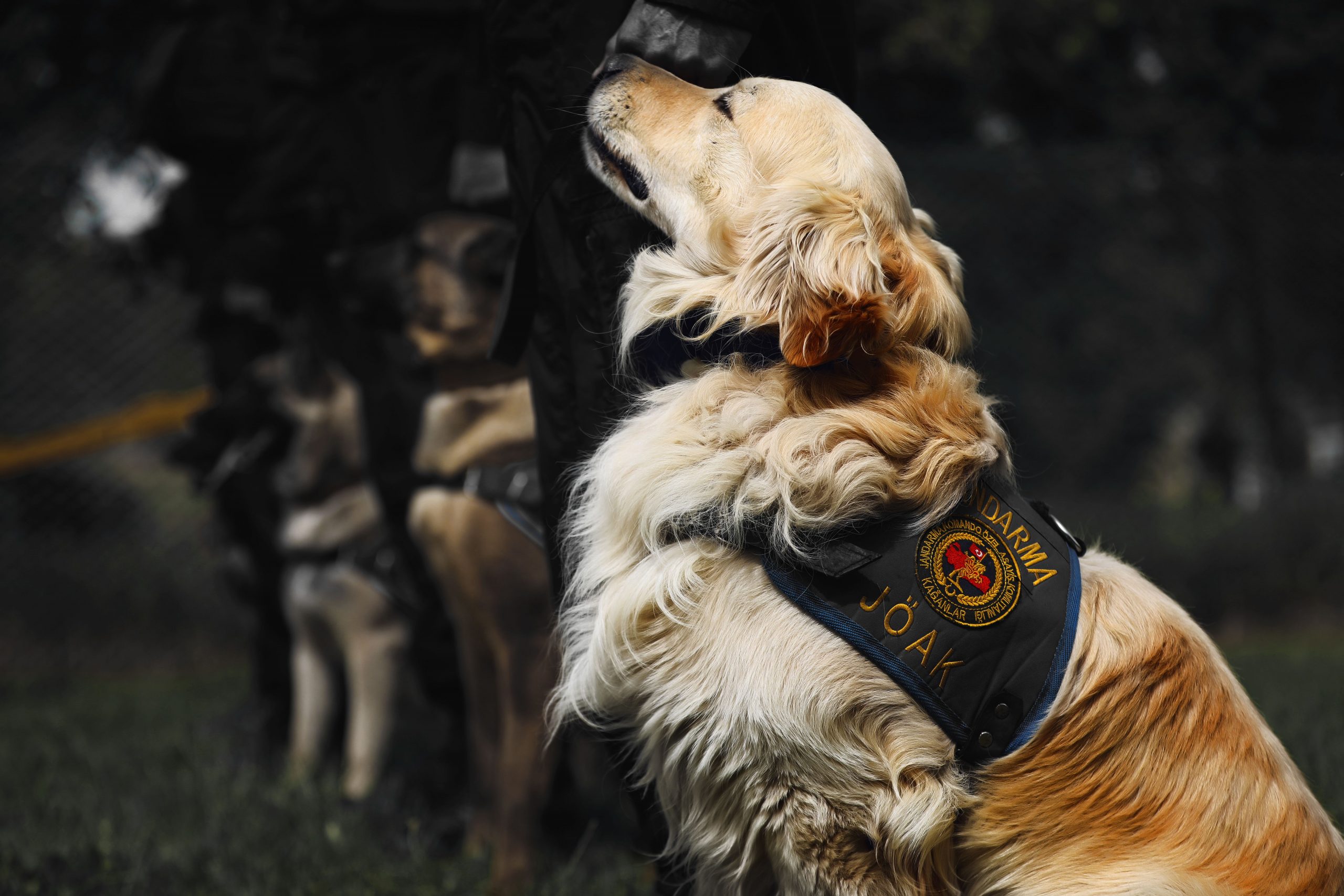
“If your emotions were animals… which one would need a holiday the most?”
Rosii paused.
She thought carefully.
Then smiled.
“A dog.”
Not because dogs are lazy.
Quite the opposite.
She thought about guide dogs helping blind people.
Police dogs working alongside officers.
Dogs constantly caring for others, protecting people, doing important jobs.
“They need rest too,” she said simply.
It was such a Rosii answer.
Instead of choosing the loudest animal or the funniest one, she chose the hardest worker.
When asked where the dog should spend its holiday, her answer painted an unexpectedly peaceful picture.
Somewhere in nature.
With plenty of food.
Lots of other dogs to play with.
A place where no one needed anything from them for a while.
Just running.
Playing.
Talking—in whatever language dogs use.
It was impossible not to smile.
There was no drama.
Just quiet acceptance.
Health sometimes asks us to pause.
The table understood.
And somehow, after nearly an hour together, emotional rest no longer felt like an abstract topic.
It had become something much simpler.
A quiet bedroom.
A funny niece.
A Sunday nap.
A doctor who tells you to slow down.
Friends patient enough to wait while you search for the right English word.
And somewhere, in a beautiful natural park, a very hardworking dog finally enjoying the holiday it has always deserved.
Maybe emotional rest isn’t something we earn after finishing everything else.
Maybe it’s one of the ways we become ready to begin again.