
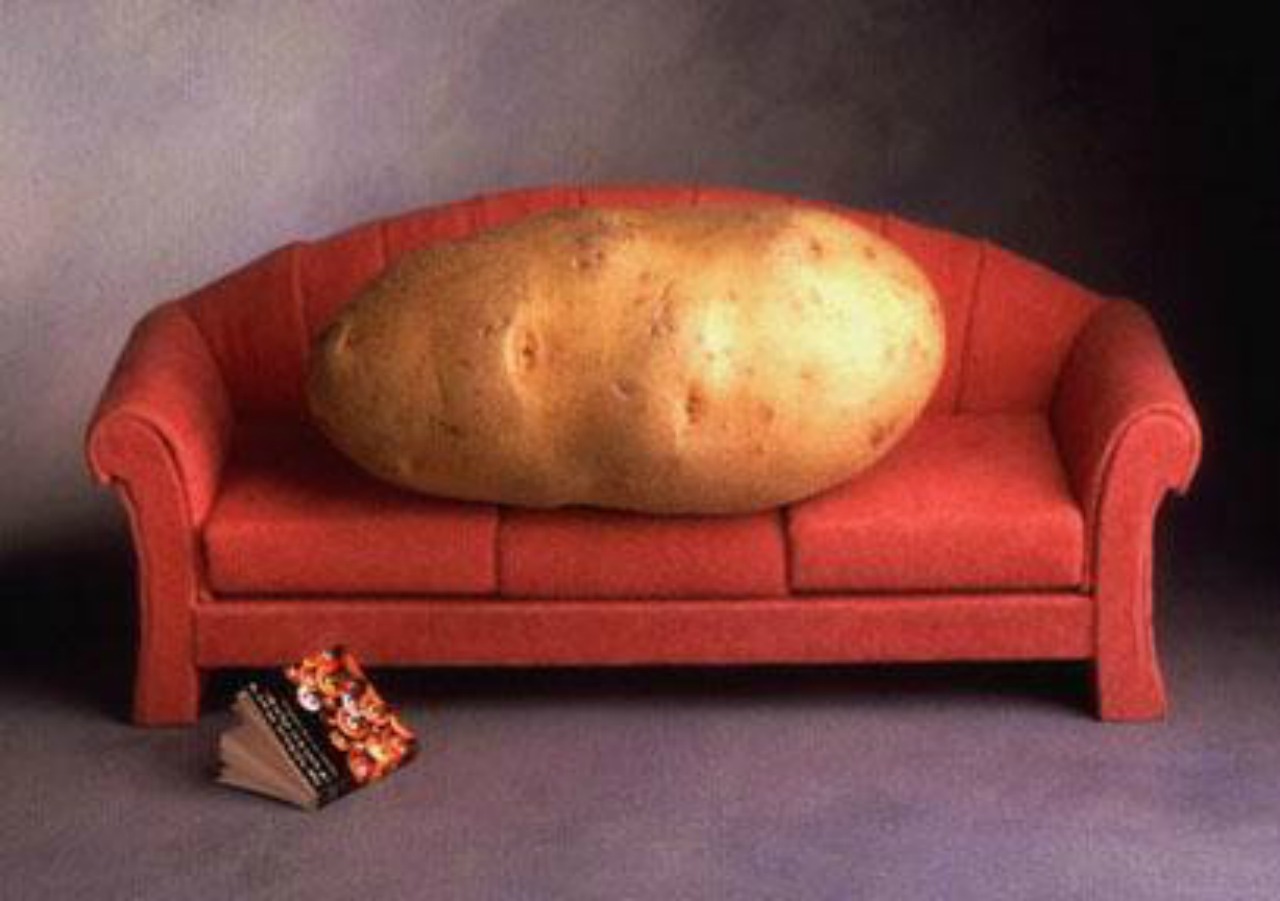
The Discipline of Avoidance
The Discipline of Avoidance
There is a moment—very small, almost invisible—when a conversation stops being about “health” and starts being about us.
It usually begins with a harmless question.
What is one healthy habit you fully believe in… but actively avoid?
At first, we think we can answer politely. Drink more water. Sleep earlier. Walk more. The usual safe things.
But then Martin says:
“I know watching political discussions on TV is not enlightening, but I can’t help myself.”
And something shifts.
Because now it is no longer about health. It is about compulsion dressed as awareness.
Then Manfred adds:
“Sports injure or kill.”
And suddenly, we are no longer observing them.
We are recognizing ourselves.
Take sunlight.
We all know—we really know—that water, sleep, and sunlight are essential. We have heard it so often it has become almost like background noise. A gentle instruction we politely ignore.
And yet Martin reframes it:
“I think it is my right and duty to avoid the sun in summer.”
Not avoidance. Duty.
There is something strangely satisfying in that. Because it turns something we feel slightly guilty about into something we can defend. Even believe in.
And if we are honest—just a little honest—we all have our own version of this. Maybe not with sunlight. But with something.
Manfred simplifies it:
“Too much sun makes me run.”
Which sounds absurd… until we look at it closely.
Sun leads to movement. Movement leads to effort. Effort leads to discomfort.
So we avoid the sun.
So maybe the real question is not why they avoid sunlight.
The real question is: what are we avoiding—and how convincingly have we explained it to ourselves?
Then comes coffee.
“If coffee disappeared tomorrow, would your personality survive?”
Martin says:
“No! But the real question is if I would survive.”
We laugh.
But we also pause.
Because we all have something like this. Something so embedded in our day that removing it feels like removing a part of who we are.
It might not be coffee.
It might be our phone.
Our routine.
That one habit we call “just a break.”
And then Manfred quietly says:
“I am smart: My plan B is tea.”
And now we see the difference.
Some of us collapse with our systems.
Some of us prepare for their collapse.
And most of us… don’t think about it at all.
Then comes the uncomfortable one.
“You know smoking is unhealthy. So why does it feel… like a structured break for the soul?”
Manfred answers:
“My addiction needs me.”
And something subtle happens here.
Because suddenly, the habit is not weakness. It is structure. It is responsibility. It is a small anchor in the day.
And if we look at our own habits—honestly, without decoration—we might notice the same thing.
They are not random.
They give our day shape.
They tell us when to pause.
When to breathe.
When to step away.
So the question is not why we keep these habits.
The question is: what would we replace them with—and would that feel as comforting?
Then we arrive at something very modern: optimization.
“As ‘001’, do you believe optimization is more important than actually doing the simple things like drinking water?”
Martin says:
“If self-optimization becomes more important than life, the simple things work better. Why keep something simple if you can overcomplicate it.”
We can hear the irony.
But we also recognize the truth.
Because we have done this.
Drinking water becomes a system.
Sleeping becomes data.
Walking becomes performance.
And suddenly, the simplest things are no longer simple. They become things we can fail at.
And when something becomes something we can fail at… we quietly avoid it.
Manfred reduces everything:
“Walking uses energy, sitting saves energy, resulting in a positive energy balance sheet.”
It is ridiculous.
And yet… how often do we choose the easier option, not because it is better, but because it is immediate?
Then comes something that feels cultural—but is not only cultural.
“I am German and I love to complain while sinking in self-pity and telling the world how to do everything properly.”
We smile.
But we also understand.
Complaining gives us the feeling of action without the cost of action.
We feel engaged.
We feel aware.
We feel… involved.
Without moving at all.
So when the question comes—
Why walk for energy when we can sit and complain about having no energy?
—it stops being funny.
Because we already know the answer.
Then excuses.
“What is the most ridiculous excuse you’ve ever used to avoid doing something healthy?”
Martin says:
“I don’t need excuses, I listen to and follow the advice of others.”
It is almost elegant.
We outsource responsibility.
We follow.
And in following, we avoid deciding.
Manfred chooses the classic:
“I have no time.”
And we all recognize it.
Because “no time” is not just an excuse—it is a shield. It protects us from having to look closer.
Then, unexpectedly, something breaks.
“If a two-minute stretch could fix your mood, why don’t you do it?”
Manfred says:
“I actually do this. (seriously)”
And suddenly, we feel slightly uncomfortable.
Because this is not difficult.
Not complex.
Not optimized.
Just two minutes.
Which raises a quiet question:
If something so small works… why don’t we do it more often?
And the answer is not complicated.
Because small things are easy to ignore.
And easy things are easy to postpone.
Then comes the final question.
“If your body could file a complaint against you, what would be the main accusation?”
Manfred answers:
“You do this purposely. You never listen.”
And now the humor becomes quieter.
Because we cannot hide behind ignorance.
We know.
Drink water.
Sleep.
Move.
Go outside.
We know.
So the issue is not knowledge.
It is not access.
It is not even motivation.
It is something simpler—and more uncomfortable:
We are choosing.
And maybe that is the real discipline.
Not the discipline of doing the right things.
But the discipline of avoiding them—consistently, creatively, convincingly.
We build explanations.
We turn habits into identities.
We turn avoidance into something that almost sounds… reasonable.
“If the simplest things solve most of your energy problems… why do you keep choosing complexity?”
Manfred says:
“Inventing excuses is easier.”
And this is the part we cannot escape.
Because it is not just their answer.
It is ours.
And the uncomfortable truth is not that we are confused.
It is that we understand perfectly.
And still… we choose otherwise.