Puzzles, Pastry, and the Language of Home
A cross-continental English meeting between Germany and South Africa
On a grey afternoon in Germany, while winter still refuses to leave, Babette sits down for her English session. On the other side of the screen, Janita joins from sunny South Africa. What follows is not just a language class—it’s a cozy window into daily life, family routines, hobbies, and the small joys that make a house feel like home.
From Dermatologists to Digital Disasters
The conversation begins the way many real conversations do: with health updates and small frustrations. Babette recently visited the dermatologist because of a rash—thankfully, everything is fine now. But technology is less cooperative. An external hard drive holding precious birthday photos refuses to work, forcing Babette to choose safety over nostalgia. Better no photos than a laptop full of viruses.
It’s a reminder that everyday problems are often the best conversation starters—especially in language.
Languages at Home: German, French… and a Lot of English
Language learning doesn’t stop when the lesson ends. Babette’s daughter sometimes surprises everyone by answering in English at home—even when German or French would be more expected. Thanks to learning apps and school routines, English sneaks naturally into family life, creating funny moments like “I don’t understand you” becoming the easiest escape sentence.
Janita laughs knowingly. Every household with kids recognizes that trick.
A House Full of Hobbies
If Babette had to list her hobbies, she might need a notebook. Knitting, resin work, sourdough bread, birthday cakes, dream catchers—and now, puzzles.
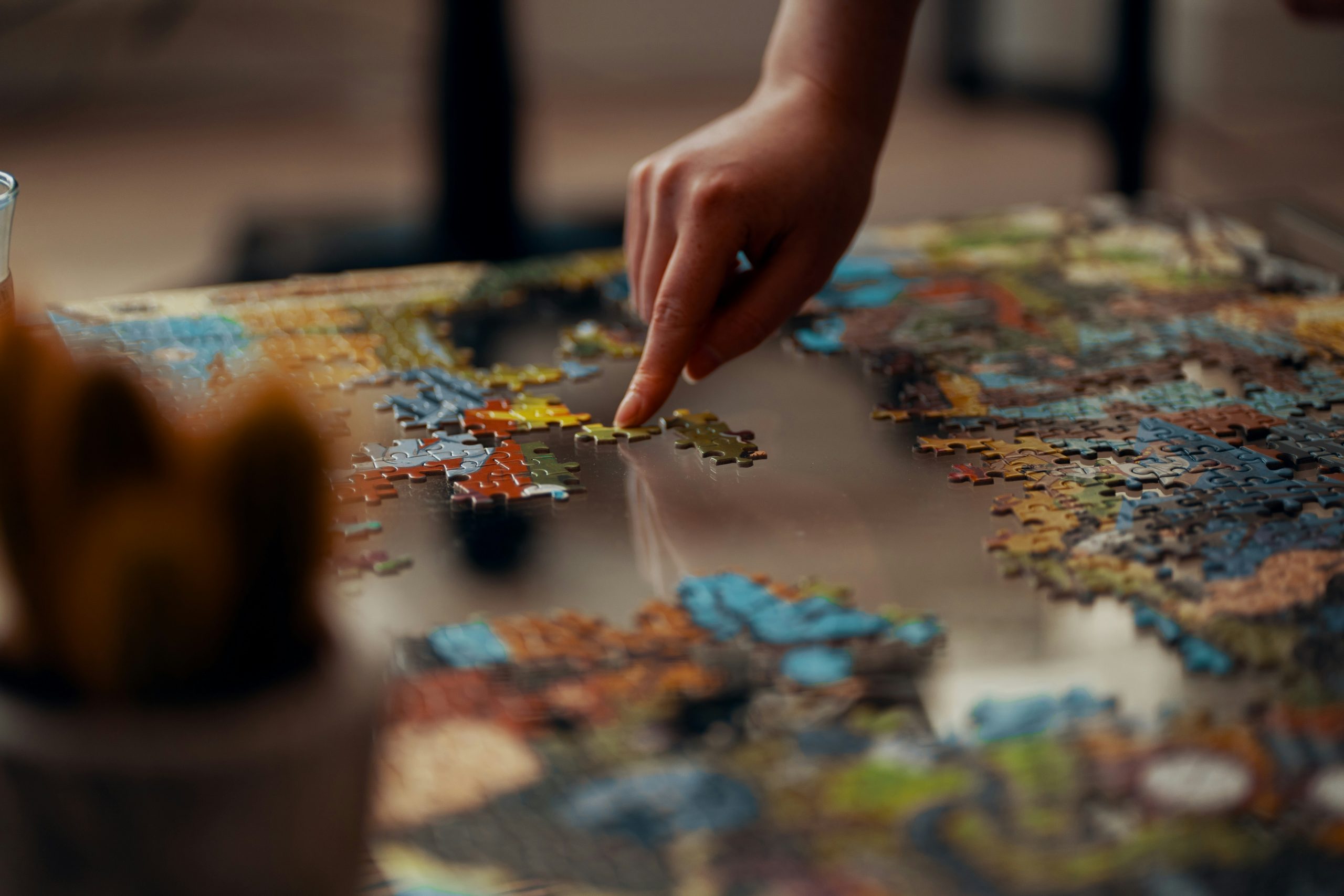
Not just any puzzles, though. We’re talking 1,000-piece challenges spread across the dining table, carefully protected by a puzzle mat and roller. Some puzzles even become framed art, including very special ones – printed baby photos of her kids – and are full of family memories.
Rainy weekends? Perfect puzzle weather.
Dream Catchers and Midnight Creativity
One weekend turns into a creative marathon. Babette starts a dream catcher on Saturday afternoon and looks at the clock again at half past twelve at night. On Sunday, after lunch duties, she continues —finally finishing in the evening.
The result? A beautiful piece that earns so many compliments that a new order immediately follows. Handmade gifts, it turns out, come with love and a serious time commitment.
Cooking: Necessary… but Not Loved
When the topic turns to cooking, Babette is honest: she hates it. Not because she can’t cook—but because deciding what to cook is exhausting. Meal planning with children often ends with the same answer: “I don’t know.”
Easy meals win during the week. Chicken drumsticks with potatoes, spaghetti bolognese, tomato soup, instant noodles. Lasagna is delicious—but only for special occasions, because who has two hours on a weekday?
Baking, however, is another story.
Baking Wins Where Cooking Fails
Desserts are Babette’s comfort zone. Panna cotta, muffins, sourdough bread, cheese snacks made from puff pastry—this is where creativity takes over. Even experiments are welcome, despite some family members refusing to be the “guinea pig.”
But colleagues? They’re happy volunteers. A batch of experimental muffins brought to the office turns into a big success, proving once again that sometimes you just have to try.
Sweet Tooth Confessions
White chocolate. Coconut ice cream. Melon flavors. Crisps with tzatziki seasoning. Babette’s snack preferences come out naturally, along with a sweet detail: she keeps gummy bears at work—not for herself, but for her colleagues. A small gesture that says a lot about her.
More Than an English Lesson
By the end of the session, winter, school reports, time zones, and future topics (like personal values) all find their way into the conversation. Somewhere between puzzles and puff pastry, Babette realizes something important: she’s no longer nervous. She’s speaking. She’s laughing. She’s living the language.
And that’s exactly the point.
English here isn’t just grammar and vocabulary—it’s connection. Between Germany and South Africa. Between daily life and learning. Between who we are and how we tell our stories.