
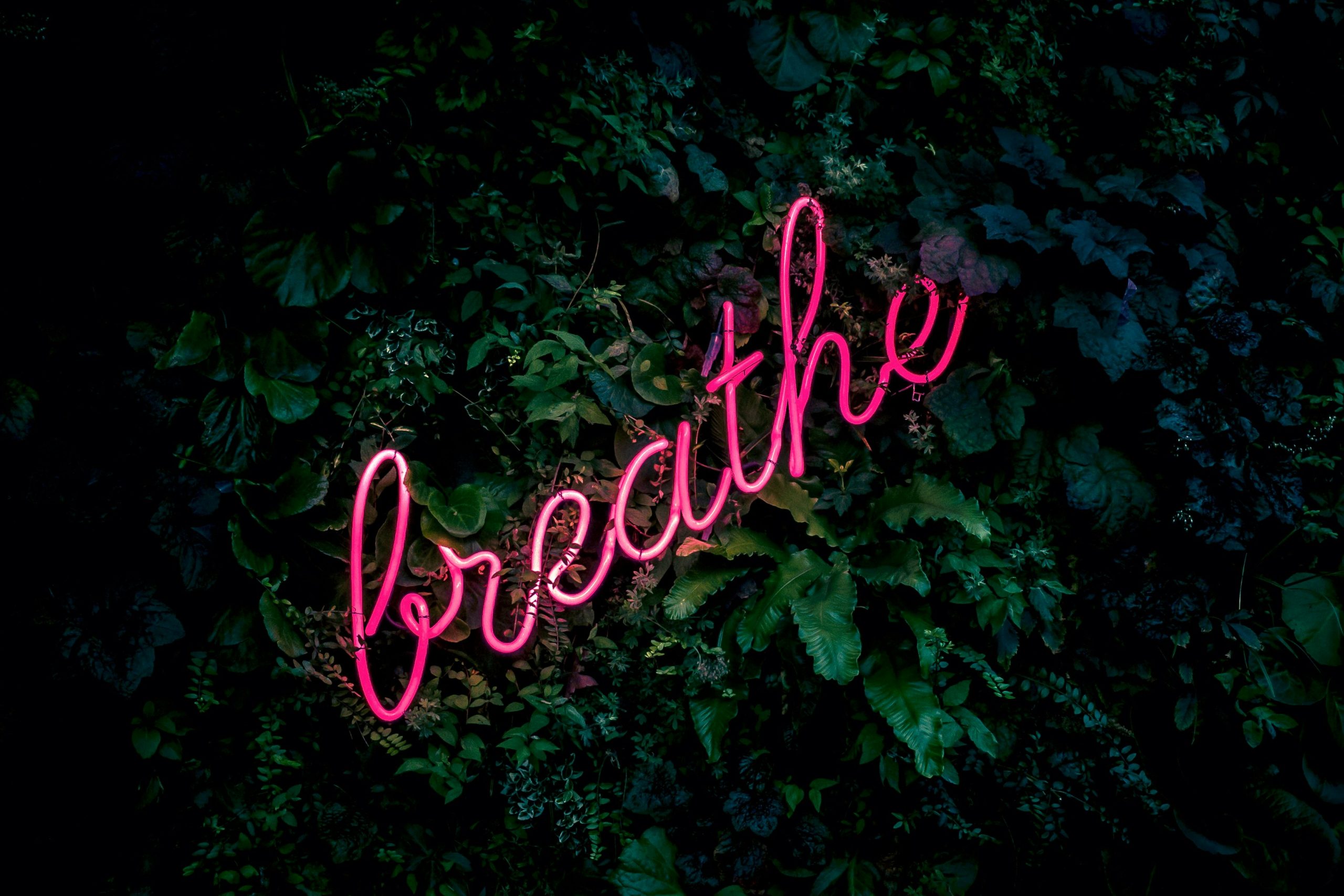
The Sacred Pause: How a Teenager Is Learning to Breathe Between the Bells
By observing a mentoring conversation between Fruitloop and Sarah
There is a moment in nearly every school day when time stops feeling human.
The bell rings too fast. The bus waits for no one. A science lab runs late. Thoughts pile up like snowballs, growing heavier with each step. For Sarah—a bright, candid teenager navigating school, schedules, and her own racing mind—this moment comes often. And it’s precisely here that she and her teacher, Fruitloop, begin an unexpected exploration: the power of the sacred pause.
What Is a Sacred Pause, Really?
When Fruitloop introduces the term, Sarah is understandably confused. Sacred sounds religious. Serious. Big. But the teacher gently reframes it: a sacred pause is not about holiness—it’s about intentional stillness. A conscious break. A breath taken on purpose.
Not the kind of pause forced on us by exhaustion or collapse, but one we choose.
“Transformation often happens in quiet spaces,” Fruitloop explains. “Weekends. Thresholds. Moments between one role and the next.”
Sarah listens, then begins connecting the idea to her own life.
The Rush: Where Pauses Are Needed Most
For Sarah, the busiest moments aren’t abstract—they’re painfully specific.
Friday afternoons, when science class runs late and the bus home is waiting. Winter mornings, when the snooze button feels warmer than responsibility. The constant pressure to move fast, think fast, decide fast.
“If I didn’t have pauses,” she admits, “I think I would cry every night.”
It’s an honest sentence. Simple, but heavy.
And it reveals something essential: pauses are not luxuries. They’re survival tools.
Where Sarah Already Pauses (Without Knowing It)
Interestingly, Sarah already practices sacred pauses—she just doesn’t call them that.
On the bus ride home, headphones on, music playing, the world passing by the window.
On the tennis court, hitting the ball hard enough to release her anxiety.
At night, reading in bed, when stress finally loosens its grip.
These are her natural thresholds—the spaces where one version of her dissolves and another can emerge: student to daughter, pressure to rest, noise to calm.
Fruitloop names what Sarah intuitively knows: movement, rhythm, and sensory focus help the nervous system reset.
Silence, Stress, and the Snowball Effect
But silence is complicated.
Sometimes it comforts Sarah. Sometimes it overwhelms her.
In silence, thoughts can multiply. Stress can roll forward unchecked. Like a snowball gaining speed downhill.
Here, the conversation deepens. Silence isn’t automatically peaceful. It becomes restorative only when paired with intention.
A pause is not just stopping.
It’s noticing that you’ve stopped.
From Reaction to Choice
One of the most powerful shifts in the dialogue comes when Fruitloop asks about communication.
What happens if you pause before responding?
Sarah thinks of her mother, who often tells her she speaks too fast. She realizes that pausing could help her find the right words—not just any words.
“You can say what you really think,” she reflects, “instead of just speaking to speak.”
This is the heart of the sacred pause: the tiny space between stimulus and response. The threshold where choice lives.
Designing Pauses Into Daily Life
Together, teacher and student imagine practical anchors for pausing:
- Five deep breaths before entering class
- A ring Sarah turns on her finger
- A calm bedroom kept as a “safe space”
- Soft colors—pink, beige, green
- Familiar sounds: a yoga hum, a cat purring
They even playfully imagine what a pause would look like if it had a button (“a rabbit-tail pom-pom”) or a mascot (the famous Yax, the Yak who runs the Mystic Spring Oasis from Zootopia).
The playfulness matters. It makes the concept human, accessible, real.
More Than Rest
As the conversation draws to a close, Sarah articulates a crucial distinction:
Rest is physical.
A sacred pause is mental and emotional.
And one without the other is incomplete.
“You can’t have mental clarity,” she says, “if you don’t have emotional clarity.”
It’s a remarkably mature insight, spoken in simple language. Exactly Sarah’s style.
Ordinary Time, Made Sacred
In the end, nothing about Sarah’s life dramatically changes. She still has buses to catch, exams to take, mornings where winter wins.
But something subtle shifts.
Pauses are no longer interruptions.
They are invitations.
When honored, even briefly, they turn ordinary time into sacred time—not because the world stops, but because Sarah does.
And in that stillness, she learns to breathe between the bells.