
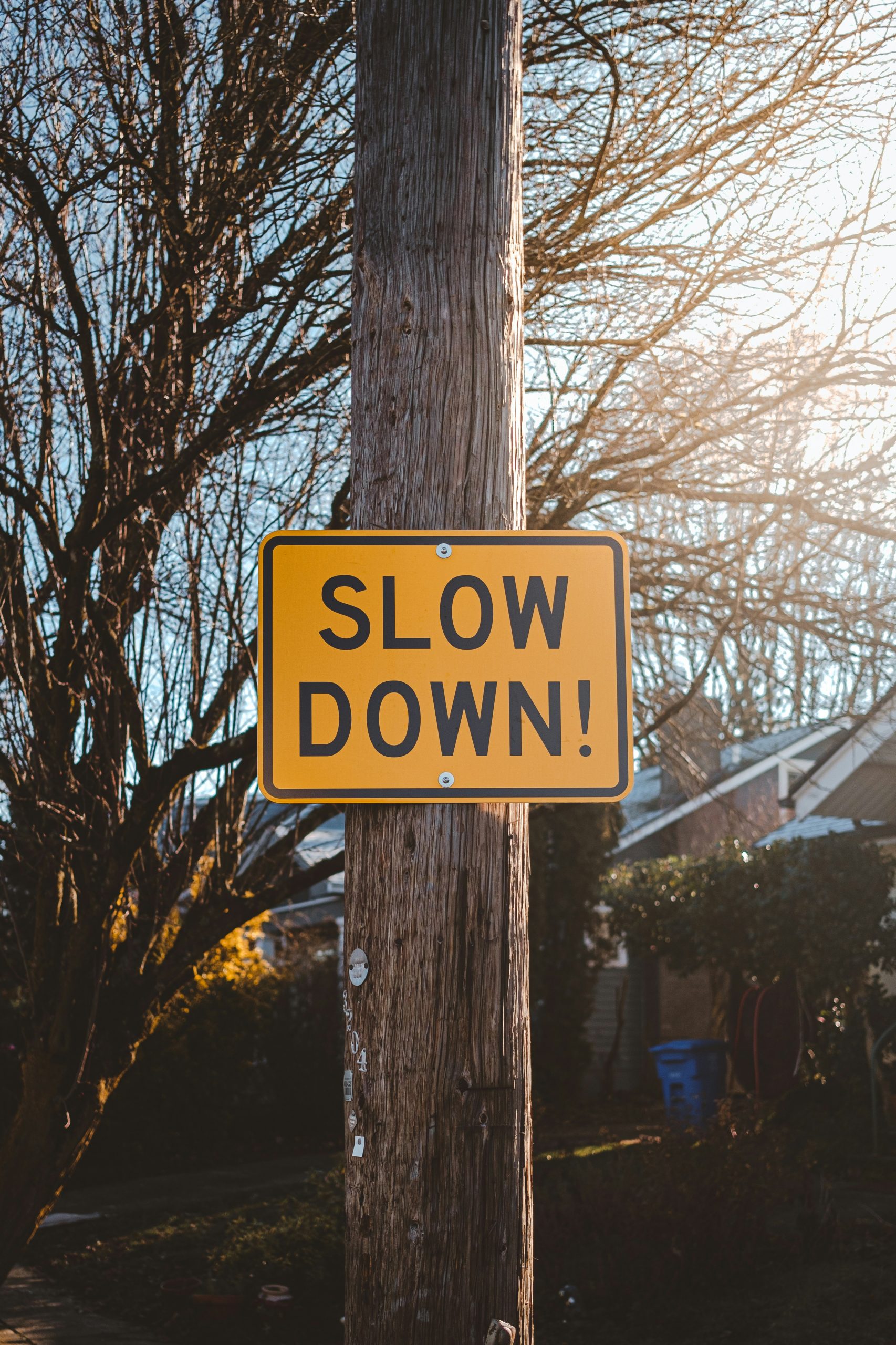
The Presence of Mind: When the World Forces Us to Slow Down
There is a particular sound a Lunch meeting makes when it really gets going. A mix of greetings in different accents, laughter arriving slightly before the punchline, and the gentle chaos of people remembering—mid-sentence—that they are, in fact, being recorded. This one began like that. Warm. Slightly unruly. Comfortably human.
The theme on the table was presence. Or, more precisely, the power of slowing down in a world that seems to reward speed, urgency, and permanent mild panic. Fruitlooop opened the conversation calmly, as she tends to do, reminding us that presence is not about doing nothing. It’s about being there. Fully. Without one foot already sprinting into the next obligation.
Which is easier said than done, especially when the moderator immediately announced—cheerfully—that the carefully planned meeting would soon be “trashed” due to scheduling realities. Standards would be lowered. Expectations adjusted. Presence, apparently, would be improvised.
And somehow, that set the tone perfectly.
Bruce was asked what we lose when we move too fast through life. After briefly handing the question back—philosophically and with excellent timing—he landed on something deceptively simple: wonder. The quiet noticing of rain. The privilege of nature. Even, as it turns out, the shared experience of being virtually relocated from a beach background to a jungle-like one, just to confuse everyone.
This opened the door to a more sobering reminder: nature slows us down whether we agree or not. Fruitloop spoke about floods in Kruger National Park and wildfires near Cape Town—places where animals instinctively move to higher ground, knowing when it’s time to pause, shift, and survive. Humans, meanwhile, often need airport closures, cancelled flights, or full-blown chaos before we accept that we are not in charge.
Nathalie knew this well. Having recently been stranded multiple times across Europe due to snow and weather disruptions, she shared something unexpected: she was calm. While exhaustion and frustration bubbled around her, she became the decision-maker, the steady presence in the storm. Hotels were extended. Cars rebooked. Plans abandoned. And in the forced stillness—locked inside a hotel room with terrible weather and no distractions—something rare happened. Time slowed. Conversations deepened. Presence arrived uninvited, and stayed.
Rosii’s experience came from a very different rhythm: São Paulo traffic. A place where time doesn’t slow—it stretches. An hour becomes two. Two becomes a test of character. Her solution wasn’t mystical. It was practical. Music. Mental lists. And later, Pilates. Stretching. Feeling her body again after being trapped in motion without movement. Slowing down, for her, came with guilt. That familiar inner voice insisting that rest must be earned, that slowing down is somehow a failure. The group recognised it instantly. Different countries. Same voice.
Then there was retirement. Or at least the idea of it. Bruce, already living the seven-day weekend that others dream of, gently dismantled the fantasy that the absence of deadlines automatically brings peace. External pressures disappear, yes—but internal ones often move in. Purpose still matters. Contribution still matters. Presence, it turns out, isn’t about stopping. It’s about choosing why you move forward.
Cultural differences danced quietly throughout the conversation. French meal times. Korean restaurant hours. European snow chaos. Brazilian traffic. South African news feeds that require deliberate emotional distance. Language itself became part of the story—words searched for, meanings clarified, patience extended. No one rushed anyone else. Not even when sentences took a scenic route to their destination.
And somewhere between jokes about Disney camera crews, wrong kinds of snow, and jet engines being used to de-ice airplanes in Moscow, a shared understanding emerged: slowing down isn’t laziness. It’s clarity. It’s what allows intention to replace urgency.
Fruitloop closed the meeting the way she opened it—thoughtfully. Slowing down, she reminded us, gives us back our focus. Whether through travel, nature, stillness, or forced interruptions, presence helps us act because we choose to, not because we’re panicking.
The meeting ended, as all Lunch meetings do, with goodbyes layered over one another and the quiet sense that something important had been said—without ever being nailed down too tightly.
Maybe that’s the point.
Maybe presence isn’t something you schedule.
Maybe it’s what happens when the world tells you, gently or not, to stop—and you finally listen.