
Weekends, Work, and Learning: How Skills Grow in Real Life
For Alexander, most weekends feel too short. There is always something to do: a family birthday, changing his mother’s car tires, or helping his brother renovate an old house that seems to have a new problem every week.
On paper, these are just normal days. But inside them, there is a quiet story about how we really learn new skills — not from books, but from dust, mistakes, tools, and conversations.
Knocking Down Walls and Learning by Hand
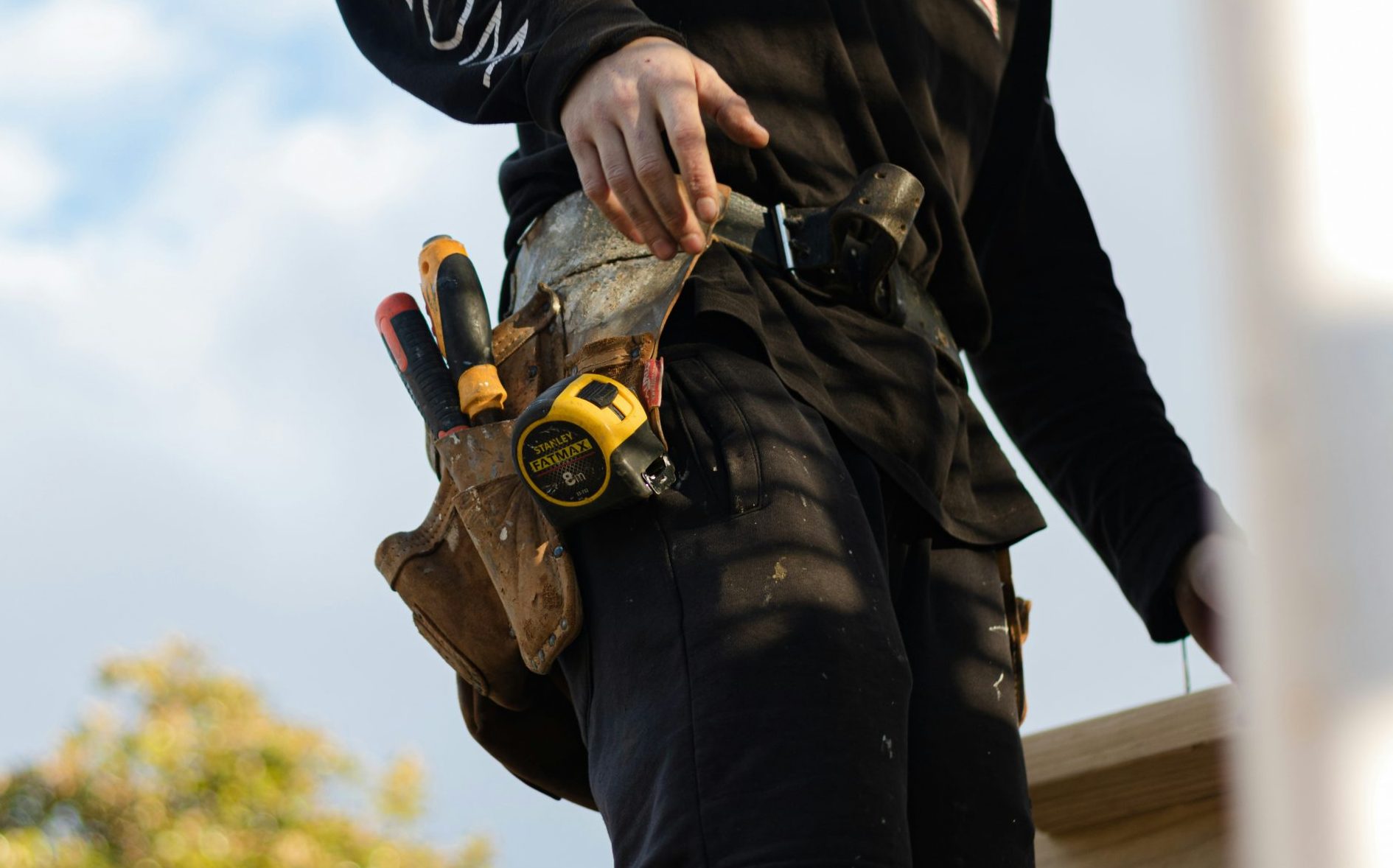
Alexander doesn’t see himself as a “craftsman”. He says he is not the best mechanic or carpenter. Still, he spends his Saturdays breaking down walls in his brother’s old house, carrying steel frames, and helping rebuild rooms from scratch.
At first, there is a plan. On paper, everything is clear. But old houses do not respect plans. Behind one wall, there is a problem. Behind another wall, something unexpected. The first idea “doesn’t work”, and suddenly the plan must change.
In moments like this, Alexander notices something important:
- Real learning is not just following a plan.
- Real learning is changing the plan when reality disagrees.
He learns where to put the steel frame so the house is more stable. He learns which walls can go and which must stay. He learns that “finished next year” can quickly become “maybe finished the year after”.
It is frustrating. It is dirty. But every weekend, his skills grow — not because someone explained renovation theory, but because the house keeps asking new questions.
When AI Is Smart… and Still Not Helpful
At work, Alexander is curious about artificial intelligence. He doesn’t see AI as magic; he sees it as a tool that should solve real problems.
He has a simple idea for his customers:
When he visits them, he films their shelves full of spray cans. Later, he wants AI to read the video and give him a neat list of all products and item numbers. For him, this feels like exactly the kind of job AI should do quickly.
But in practice, it doesn’t.
He tests different tools. He spends hours trying to get a clean list. The result? Nothing useful. In the end, he does the job himself in one hour — faster than the three hours he lost fighting with AI.
The same thing happens with a Christmas project: his colleague tries to create an Advent calendar picture with numbers 1 to 24. The AI gives numbers like 99, 103, and 336. Technically impressive, practically useless.
From this, Alexander learns:
- Technology is powerful, but not always ready for simple, real-world tasks.
- Sometimes “manual work” is still faster.
- The time spent experimenting is not wasted — it is an investment for the future.
Because one day, when he finally finds the right process, the same task might take five minutes instead of one hour. And when that day comes, he will already understand the limits and strengths of the tools, because he struggled with them early.
Learning English, Even in an AI World
During his lessons, Alexander sometimes wonders: “Do I really need English in the future? Maybe in five years I will just wear AirPods with live translation.”
It is a reasonable thought. But then he imagines sitting in an important meeting in another country. Everyone is speaking French or Chinese. He is listening through his smart earphones — and suddenly, the battery dies.
What now?
In that moment, he understands something simple but important:
- Skills you truly own do not need electricity.
- Language in your head is more reliable than language in a device.
So he keeps learning English — slowly, honestly, with mistakes. He sees that language learning is not just about grammar. It is about confidence, relationships, and independence. If the technology fails, he can still speak for himself.
A Father Learning Beside His Son
At home, Alexander is not only a salesperson or a student of English. He is a young father. His son is two years old, full of energy, full of questions, and full of Paw Patrol.
Like many parents, Alexander and his partner feel a little guilty about screen time. They try to balance TV with other activities: riding a tricycle, playing with toys, building blocks, colouring, going to kindergarten in the morning. On rainy, cold days, this is especially difficult.
He hears an idea:
Don’t feel guilty about TV — just make sure it is not the only activity.
He also hears another suggestion: change Paw Patrol from German to English. Children can pick up a second language just by listening and watching. At first, this sounds strange. His son is still learning German. How can he manage two languages?
But children have a special talent for languages. While Alexander slowly builds his English, his son might grow up switching between German and English naturally. Maybe one day the boy will speak better English than his father — and even help him.
Here, Alexander sees another kind of skill-building:
- Learning is not only for him; it is something the whole family can share.
- His son learns to speak; he learns to listen and explain.
- Both of them are “beginners” in different languages at the same time.
What Really Makes Learning Exciting
For Alexander, school was never exciting. Long paths, no clear “finish line”, subjects that felt far from real life — it was hard to care.
But today, as an adult, he notices that the most exciting learning has three things:
- A clear goal – a finished house, a successful sales year, a working AI tool, a real conversation in English.
- Visible progress – a wall removed, a new door installed, a better Excel formula, a child who suddenly uses a new word.
- Personal meaning – helping his brother, serving his customers, supporting his family, feeling proud of himself.
He realizes that learning is not something that “stops after school”. It happens:
- In the dust of a half-demolished room.
- In the frustration of a broken AI prompt.
- In the quiet victory of explaining something clearly in English.
- In the small moment when his son says a new word — in German now, maybe in English later.
In the End
“Skills” are not just certificates or job titles. They are ways of facing the world:
- with patience when plans change,
- with curiosity when tools don’t work,
- with courage when speaking a foreign language,
- and with love when raising a child.
Alexander might never write a textbook about renovations, AI, or language learning. But step by step, weekend by weekend, conversation by conversation, he is building something more important: a life where learning is woven into the everyday — in the car, on the building site, in the kitchen, and on the living-room sofa with Paw Patrol playing in the background.